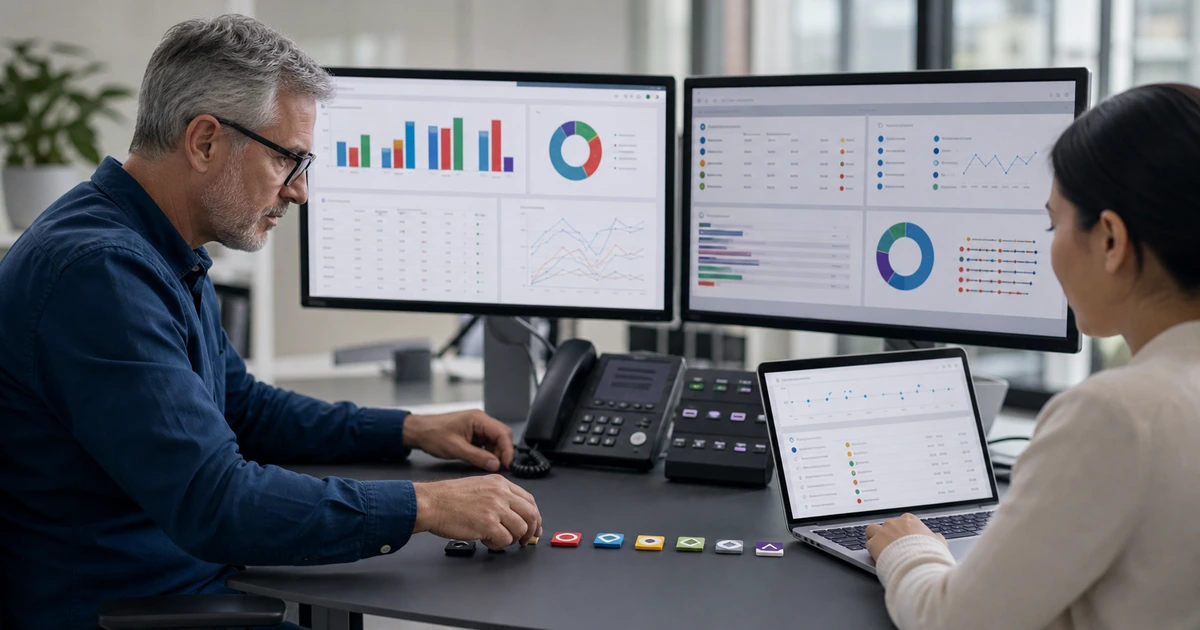
Google Business Profile performance shows how people discover and interact with a listing, but an interaction is not automatically a qualified lead. A website click may end immediately. A call may be a vendor, existing customer, job seeker, or wrong number. A direction request may indicate a visit, but not a sale. Useful measurement connects platform activity with the next observable customer and business outcomes.
The measurement design should preserve uncertainty. Search and Maps interactions can include organic and paid exposure, privacy limits can reduce visibility, and customers may switch devices or contact the business later through another channel. Consistent UTM tagging, Analytics events, call handling, form data, booking records, and CRM stages create stronger evidence without claiming perfect attribution.
ALLMSP builds and maintains local lead measurement in house for Lawrenceville, Suwanee, Gwinnett County, Metro Atlanta, and Georgia businesses. We connect Google Business Profile, website analytics, calls, forms, bookings, response workflows, and revenue outcomes so optimization follows useful evidence.
Connect profile visibility with qualified customer and revenue outcomes
- Define a lead: State which calls, forms, bookings, messages, visits, and directions count and how qualification is recorded.
- Tag destinations: Use consistent UTM source, medium, campaign, and applicable identifiers on profile website links.
- Track actions: Validate Analytics events, calls, forms, bookings, directions, landing-page behavior, and privacy controls.
- Join outcomes: Connect contacts with service fit, location, response, qualification, opportunity, completion, and revenue where possible.
- Explain limits: Document privacy, cross-device, repeat-customer, offline, paid and organic, spam, and delayed-conversion uncertainty.
- Optimize: Improve profile accuracy, customer evidence, landing pages, response, and services based on measured bottlenecks.
Define the conversion path and ownership before building a dashboard
Map how a local prospect moves from Search or Maps to a business outcome. Include profile view, search query, phone click, website visit, directions, form, booking, live conversation, qualification, estimate or consultation, opportunity, completed service, and repeat business. Define which services and geographic areas are a fit. Assign ownership for answering calls, responding to forms, updating CRM stages, correcting spam, and closing the loop on completed work.
Write measurement definitions that different teams can apply consistently. Specify how missed calls, duplicate inquiries, current customers, vendors, job applicants, wrong numbers, spam, directions, and unqualified geography are classified. Set a response expectation and record first response, outcome, and reason when a lead does not progress. The dashboard should reveal customer and operational bottlenecks rather than treat every profile interaction as equal value.
- Qualified lead: Define service fit, location, need, authority, timing, contact validity, and the evidence required for classification.
- Channel actions: Distinguish profile views, calls, clicks, directions, forms, bookings, conversations, and completed visits.
- Response: Record owner, queue, first response, contact attempts, appointment or estimate, disposition, and next action.
- Outcome: Track qualification, opportunity, won work, revenue, repeat customer, cancellation, and reason for loss.
- Data stewardship: Assign who maintains tagging, events, call records, forms, CRM stages, dashboards, privacy, and quality checks.
Measurement becomes useful when everyone agrees what a lead and outcome mean and the business process records them consistently.
Implement tagged website, call, form, and booking measurement
Add consistent UTM parameters to the profile website link. Use documented lowercase values for source, medium, campaign, and any applicable campaign identifier, while keeping the destination on the most relevant stable page. Confirm the tagged URL loads correctly, preserves parameters through redirects where appropriate, and appears in the intended Analytics acquisition dimensions. Avoid changing conventions casually because capitalization and spelling differences fragment reports.
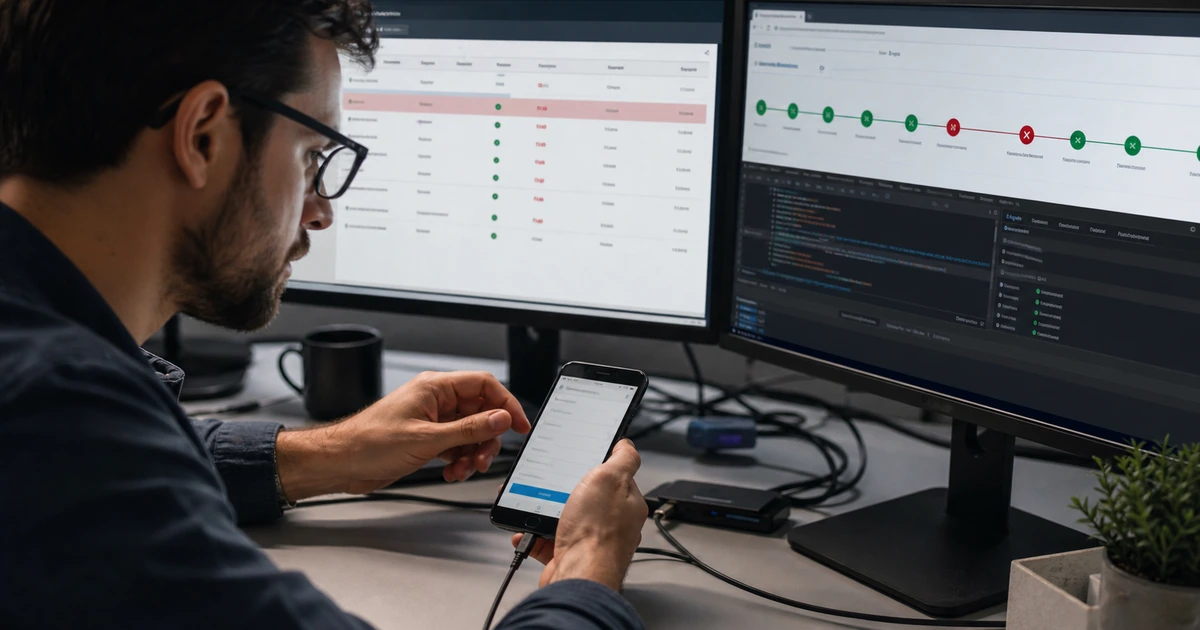
Configure and test Analytics events for meaningful website actions such as calls, forms, bookings, directions, or consultation requests, subject to consent and privacy requirements. Test success and failure states rather than counting button clicks alone. For calls, decide whether platform clicks, call-tracking records, phone-system evidence, or manually classified outcomes are available and appropriate. Validate form delivery, spam handling, notifications, CRM creation, and staff response. Record where an action can be observed and where attribution becomes uncertain.
- UTM standard: Document source, medium, campaign, identifier, naming, capitalization, owner, testing, and change procedure.
- Analytics events: Measure completed actions with useful parameters and verify behavior across desktop, mobile, consent, and errors.
- Calls: Separate profile call clicks, connected calls, answered conversations, qualified needs, appointments, and completed work.
- Forms and bookings: Test submission, validation, notification, spam controls, CRM creation, acknowledgment, and response.
- Privacy: Collect only appropriate data, apply consent requirements, limit access, protect retention, and document purpose.
Technical tracking is ready when each important action can be reproduced and its limits are clear to the people interpreting reports.
Read performance in context and optimize the weakest stage
Review Business Profile searches, views, calls, website clicks, directions, bookings, and other available interactions alongside tagged sessions and business outcomes. Compare similar time periods and annotate holidays, campaigns, outages, website changes, profile edits, review events, location changes, and service availability. Watch ratios across the path, such as views to actions, actions to conversations, conversations to qualified leads, and qualified leads to completed work. Investigate meaningful change rather than reacting to normal weekly noise.
Improve the stage where evidence shows the largest avoidable loss. Poor visibility may require profile accuracy, customer evidence, relevant website content, or broader local SEO work. Strong views with weak actions may indicate unclear services, poor photos, weak reviews, or an unattractive landing page. Many actions with few qualified leads may signal misleading expectations or wrong geography. Qualified leads that do not progress may need faster response, better call handling, scheduling, estimates, or follow-up. Test one defined change and compare the same outcome.
- Visibility: Review searches and views with profile completeness, category accuracy, reviews, local pages, and market conditions.
- Engagement: Assess calls, clicks, directions, bookings, photos, services, reputation, and landing-page relevance.
- Qualification: Analyze service fit, geography, urgency, budget, contact quality, and reasons inquiries do not progress.
- Response: Measure answer rate, first response, follow-up, appointment, estimate, and unresolved inquiry ownership.
- Experiment: State the bottleneck, change one meaningful factor, choose a comparison period, and record the result and next decision.
Local measurement supports growth when the business improves a specific stage and verifies the effect instead of chasing activity totals.
Google Business Profile lead tracking and optimization from ALLMSP
ALLMSP can define local lead stages, implement UTM standards, configure Analytics events, test calls and forms, connect CRM outcomes, and build decision-ready reporting. We also audit the listing and landing pages so measurement does not hide an inaccurate customer experience.
Our in-house marketing and technical teams can improve profile content, website performance, call and form routing, lead response, and ongoing analysis. Businesses across Lawrenceville, Suwanee, Gwinnett County, Metro Atlanta, and Georgia receive one accountable path from visibility to measurable improvement.
- Instrument: Define outcomes and implement consistent profile, website, call, form, booking, and CRM evidence.
- Validate: Test each action, response route, data definition, privacy control, and reporting limitation.
- Optimize: Find the weakest stage, make a targeted improvement, and compare meaningful customer and business outcomes.
Official guidance for profile performance and campaign measurement
Use Google’s metric definitions and campaign-tagging guidance to build consistent evidence, then connect platform interactions with the business’s own qualification and outcome records.
- Google Business Profile performance guidance. Defines available searches, views, calls, website clicks, directions, bookings, and other interactions in Search and Maps.
- Google Analytics campaign URL guidance. Documents UTM parameters, case-sensitive naming, recommended fields, dynamic values, and acquisition reporting.
- Google business representation guidelines. Provides the policy baseline for accurate identity, contact, location, service-area, category, and website information.
- Google LocalBusiness structured data. Explains applicable structured data that can communicate local business facts on the website.
Google Business Profile lead measurement FAQs
No. A view indicates exposure. A lead requires a defined customer action and enough evidence to show a potentially relevant business need.
Does a Business Profile view count as a lead?
Available metrics may include searches, views, calls, website clicks, directions, bookings, and other interactions that apply to the profile.
Which profile interactions can Google report?
They help Analytics identify sessions referred by the profile and keep campaign naming consistent across acquisition reports.
Why add UTM parameters to the website link?
At minimum document source, medium, and campaign, while considering campaign ID and source platform where useful. Keep spelling and capitalization consistent.
Which UTM fields should be standardized?
No. A click, connected call, answered conversation, qualified need, appointment, and completed job are different stages that require different evidence.
Can a phone click prove a completed call?
Submit desktop and mobile tests, check validation and errors, confirm notifications and CRM creation, review spam handling, and verify acknowledgment and response.
How should form conversions be tested?
The platforms use different definitions, privacy treatment, attribution, time handling, and observable actions. Document the difference instead of forcing the totals to match.
Why can Analytics and Business Profile totals differ?
Use evidence to identify the weakest important stage across visibility, action, qualification, response, opportunity, and completed business, then test a focused change.
What should be optimized first?
Yes. ALLMSP can handle profile tagging, Analytics, calls, forms, bookings, CRM outcomes, dashboards, quality checks, and ongoing optimization in house.
Can ALLMSP implement local lead tracking?
Local implementation is available around Lawrenceville, Suwanee, Gwinnett County, and Metro Atlanta, with remote measurement support for businesses across Georgia.