




























































































































































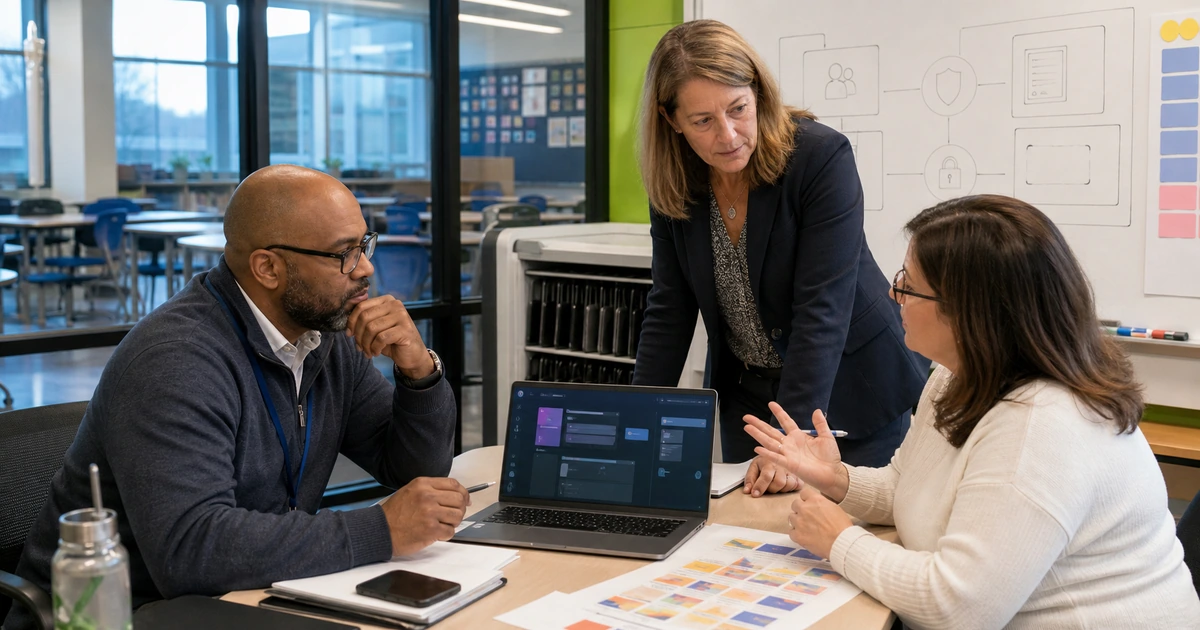
AI Services / ERP, CRM, and Business System Integration
ERP, CRM, and Business System Integration
Connect AI to the Systems Your Business Already Uses
We design secure integrations that move information, trigger work, create visibility, and reduce manual handoffs across ERPs, CRMs, accounting software, ecommerce systems, help desks, and custom applications.

ERP, CRM, and Business System Integration for Practical Business Operations
ALLMSP connects ERP, CRM, cloud platforms, databases, files, and legacy applications so information can move reliably between the systems that run the business. Our in-house team handles mapping, middleware, validation, error handling, security, documentation, deployment, and continuing integration support.
Problems This Service Is Designed to Solve
The review begins with a measurable operational problem and traces the conditions preventing keeping business records and operational events consistent across connected platforms.
Business systems hold conflicting versions of the same record
Before recommending technology, we confirm the decisions, records, and system events surrounding cases where business systems hold conflicting versions of the same record.
Employees reenter data between applications
The assessment shows how the situation affects accuracy, response time, accountability, and reporting when employees reenter data between applications.
Reports require manual exports and cleanup
We trace ownership and the current escalation path whenever reports require manual exports and cleanup, then define a supportable improvement.
System events do not trigger timely follow-up
ALLMSP maps the people, systems, and handoffs involved when system events do not trigger timely follow-up.
Legacy software lacks modern workflows
The assessment measures the operational effect when legacy software lacks modern workflows and identifies the source of the delay or risk.
Integration failures are difficult to trace
A dependable design must account for the data, approvals, exceptions, and ownership involved when integration failures are difficult to trace.
Capabilities and Deliverables
Scope reflects the current workflow, approved data, platform access, operating controls, business impact, and the work required for a reliable integration that moves validated information without creating hidden support problems.
APIs and events
- API integration
- Webhooks
- Event-driven automation
- Notification workflows
Data exchange
- Scheduled synchronization
- Database integration
- File import and export
- Cross-platform dashboards
Quality and exceptions
- Data validation
- Duplicate detection
- Exception queues
- Conflict handling
Legacy and custom integration
- Legacy application support
- Custom middleware
- Controlled interfaces
- Email-based workflows
Practical Ways This Service Can Be Applied
These examples show practical ways to support keeping business records and operational events consistent across connected platforms. Final design is based on the customer’s systems, data, controls, users, and operating requirements.
ERP and ecommerce synchronization
Keep products, pricing, inventory, orders, and status information moving between operational systems.
CRM and service coordination
Create the right follow-up when a customer, sales, or support event occurs in another platform.
Cross-system reporting
Combine validated records from several applications into one dependable operational view.
Platforms and Integration Methods
Before implementation, ALLMSP verifies the secure and supportable path between every platform required for a reliable integration that moves validated information without creating hidden support problems. Product examples do not imply a partnership or certification.
Platform Examples
- Epicor Kinetic
- Microsoft Dynamics 365
- NetSuite, SAP, Oracle, and Sage
- Salesforce and HubSpot
- QuickBooks and ecommerce platforms
- ConnectWise, Autotask, ServiceNow, and custom software
Supportable Integration Paths
- REST and vendor APIs
- Webhooks and event queues
- Database and file exchange
- Approved connectors
- Custom middleware and controlled interfaces
From One Bottleneck to a Supported Solution
The engagement moves from discovery through supported operation, with documented decisions and acceptance criteria tied to a reliable integration that moves validated information without creating hidden support problems.
1. Discover and map
Document the current workflow, systems, information, owners, exceptions, approvals, and business goal for a reliable integration that moves validated information without creating hidden support problems.
2. Design and prototype
Select the right mix of AI, automation, integration, custom software, and process improvement needed to achieve a reliable integration that moves validated information without creating hidden support problems.
3. Validate and deploy
Test the proposed solution for field mapping, duplicate prevention, transaction order, exception queues, reconciliation, and recovery before it is released to users.
4. Support and improve
Train users, monitor performance, resolve issues, maintain documentation, and prioritize improvements that protect a reliable integration that moves validated information without creating hidden support problems.
Security, Controls, and Practical Limitations
Controls are designed into the service from the beginning because system integrations can overwrite records, create duplicates, expose data, or silently fail between applications.
Field-level data validation
The business system integration design documents field-level data validation, including ownership, scope, approved access, and exception handling.
Duplicate and conflict handling
Testing covers duplicate and conflict handling for the business system integration program during routine work, edge cases, and high-impact decisions before launch.
Monitored exception queues
ALLMSP assigns an accountable owner and review schedule for monitored exception queues within the business system integration program, with evidence retained for support and change management.
Nonproduction testing when available
Documented reviews keep nonproduction testing when available aligned with platform changes, permissions, workflows, and operating requirements for business system integration.
Product names are platform examples that may be evaluated for integration. Their inclusion does not imply an official partnership or certification.
Bring Us the Process, Platform, or Bottleneck
Bring us the systems that do not exchange the information your team needs. ALLMSP will assess their APIs, databases, files, events, security requirements, and vendor limitations, then design a practical integration with visible error handling.
Related AI Capabilities
AI-Powered Systems Engineering
This capability can combine custom applications, orchestration, data, controls, and support into a complete operating tool within the business system integration program.
Ecommerce, POS, and Inventory Integration
This capability can coordinate products, inventory, orders, customers, fulfillment, and reporting across commerce systems within the business system integration program.
Data Analytics, Dashboards, and Decision Intelligence
This capability can turn connected operational data into dashboards, alerts, forecasts, and decision support within the business system integration program.
Industry-Specific IT, Cybersecurity, Cloud, Marketing, and HR Support
Related Services for ERP, CRM, and Business System Integration
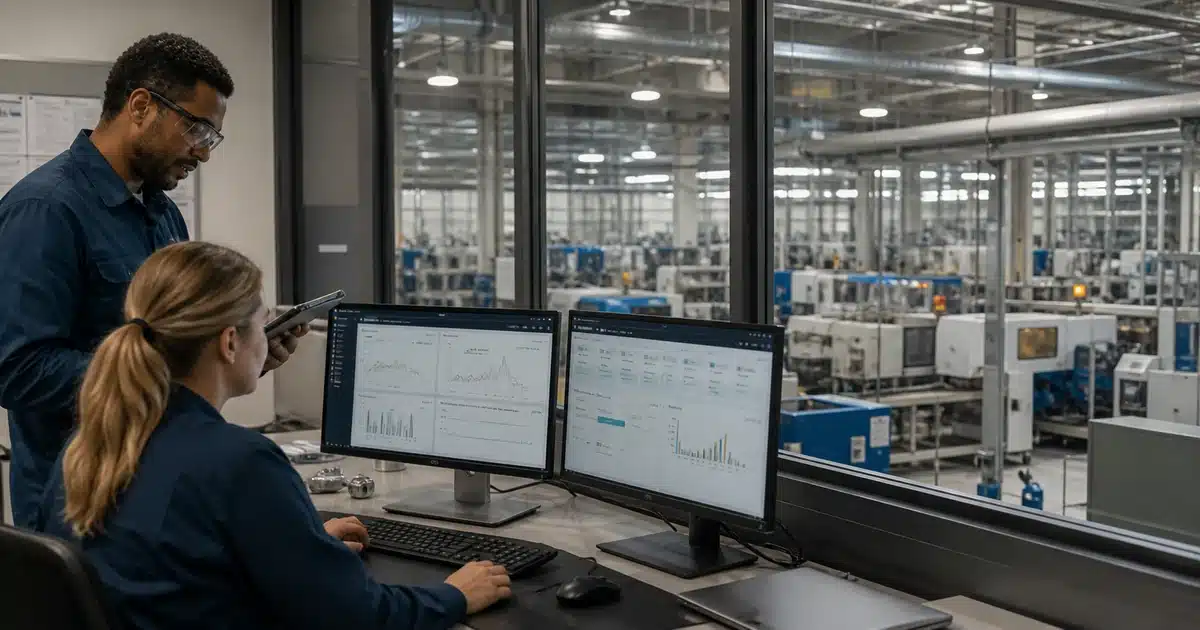
ERP, CRM, and Business System Integration support connected to technology, security, AI, and growth priorities.
ALLMSP helps organizations in Lawrenceville, Suwanee, and throughout Gwinnett County connect erp, crm, and business system integration with managed IT, cybersecurity, cloud, AI, and digital marketing support. We handle planning, implementation, documentation, training, and ongoing improvement in house, with support available across Metro Atlanta and Georgia.
Related Articles






Frequently Asked Questions
Q. What is included in ERP, CRM, and Business System Integration?
A. ERP, CRM, and Business System Integration can include aPI integration, webhooks, event-driven automation, notification workflows, scheduled synchronization, database integration, file import and export, and cross-platform dashboards. The final scope is based on the operational goal, approved systems and data, required controls, and support needs.
Q. Which business problems are a good fit for ERP, CRM, and Business System Integration?
A. Good candidates include business systems hold conflicting versions of the same record, employees reenter data between applications, and reports require manual exports and cleanup. During discovery, ALLMSP determines whether the right response is AI, rules-based automation, integration, software changes, or process improvement.
Q. Can ERP, CRM, and Business System Integration work with our existing software?
A. Often. We assess Epicor Kinetic, Microsoft Dynamics 365, NetSuite, SAP, Oracle, and Sage, and Salesforce and HubSpot. ALLMSP verifies available APIs, connectors, files, databases, permissions, and vendor limitations before committing to a design.
Q. How does an ALLMSP project for ERP, CRM, and Business System Integration begin?
A. For ERP, CRM, and Business System Integration, ALLMSP begins with discovery focused on the current process, affected users, systems, information, exceptions, security requirements, and measurable result. The first phase defines ownership, scope, constraints, and acceptance criteria before the design is approved.
Q. How does ALLMSP control risk in ERP, CRM, and Business System Integration?
A. The design includes field-level data validation, duplicate and conflict handling, monitored exception queues, and nonproduction testing when available. Controls are tested, documented, assigned to accountable owners, and reviewed as the service changes.
Q. Can we start ERP, CRM, and Business System Integration with one focused use case?
A. Yes. Starting with eRP and ecommerce synchronization gives the team a measurable way to validate data, workflow assumptions, user experience, controls, and support requirements before expanding the scope.
Q. How long can ERP, CRM, and Business System Integration take to implement?
A. A well-documented connection between two modern platforms may take several weeks. Legacy applications, complex data mapping, bidirectional synchronization, and high transaction volumes require additional discovery and staged testing.
Q. What should we prepare before discussing ERP, CRM, and Business System Integration?
A. Prepare the systems involved, sample records, field definitions, current exports or workarounds, update frequency, data ownership, duplicate rules, and examples of failed or incomplete transfers.
Q. Does ALLMSP provide ERP, CRM, and Business System Integration in Atlanta and Gwinnett County?
A. Yes. For ERP, CRM, and Business System Integration, ALLMSP can meet onsite across Lawrenceville, Suwanee, Gwinnett County, and Metro Atlanta, with national remote delivery and support when appropriate.
Q. Does ALLMSP support ERP, CRM, and Business System Integration after launch?
A. ALLMSP monitors integration health, resolves synchronization errors, maintains mappings and middleware, coordinates platform changes, documents updates, and assists users when data does not move as expected.