



























































































































































Lawcus Integrations and Reporting: An Operations Control Guide
A Lawcus integration is a data movement with consequences, not a checkbox that can be forgotten after setup. Validate the result and document ongoing ownership.

Type at least two characters
Type at least two characters
Browse business hardware first, then explore software by the work it supports.
Managed technology, AI integration, marketing, infrastructure, and business support.
Support, protection, devices, and dependable daily operations
AI systems, integrations, automation, analytics, and governance
Marketing, websites, hosting, print, signs, and brand visibility
Cloud, backup, cabling, planning, leadership, and business support
Technology, security, automation, and marketing aligned to the way your organization works.
ALLMSP supports businesses across Lawrenceville, Suwanee, Gwinnett County, Metro Atlanta, and nationwide remote environments.
Discuss Your Environment
Lawcus can support matters, clients, intake, documents, calendars, time, billing, payments, communication, and law firm operations. ALLMSP helps Atlanta and Gwinnett businesses evaluate, configure, document, train, troubleshoot, and improve Lawcus Legal CRM, Lawcus Workflow Automation, Lawcus Client Intake, and Lawcus Billing and Reporting, with every stage handled in house.
ALLMSP provides Lawcus law firm software consulting, migration, integration, and support for organizations in Lawrenceville, Suwanee, Gwinnett County, Metro Atlanta, and nearby Georgia communities. Our work covers Lawcus Legal CRM, Lawcus Workflow Automation, Lawcus Client Intake, and Lawcus Billing and Reporting with planning tied to the way employees, locations, and business systems actually operate.
For Lawcus, discovery begins with practice areas, users, matters, documents, billing, trust accounting, intake, integrations, security, migration, and reporting. The Lawcus plan defines implementation, support, security, training, documentation, and the next review for the actual environment.
Compare Lawcus Legal CRM, Lawcus Workflow Automation, Lawcus Client Intake, and Lawcus Billing and Reporting using practice areas, users, matters, documents, billing, trust accounting, intake, integrations, security, migration, and reporting. Lawcus subscriptions and administrative ownership are aligned with the people and workflows that actually need them.
Lawcus implementation work can configure firms and roles, migrate contacts and matters, connect email and accounting, test intake and billing, document procedures, and train staff. The Lawcus rollout includes practical training and clear administrative documentation.
Lawcus optimization reviews matter data, intake conversion, billing, documents, permissions, integrations, reports, and recurring staff questions. Lawcus improvements are prioritized by business value, risk, employee impact, and the effort required to deliver them.
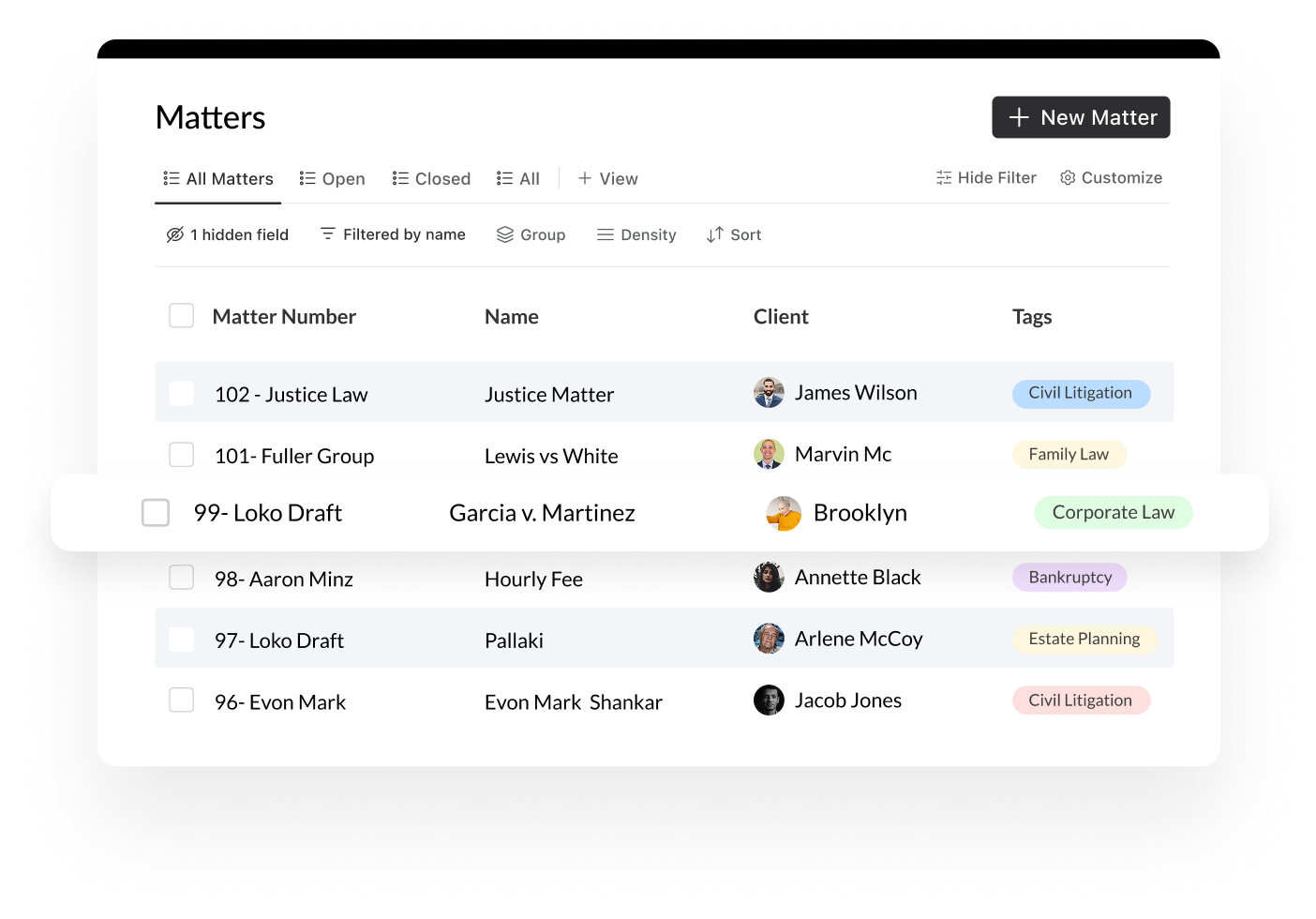
Lawcus Legal CRM support for contacts, pipeline tracking, lead intake, consultations, follow-up, and client communication workflows.
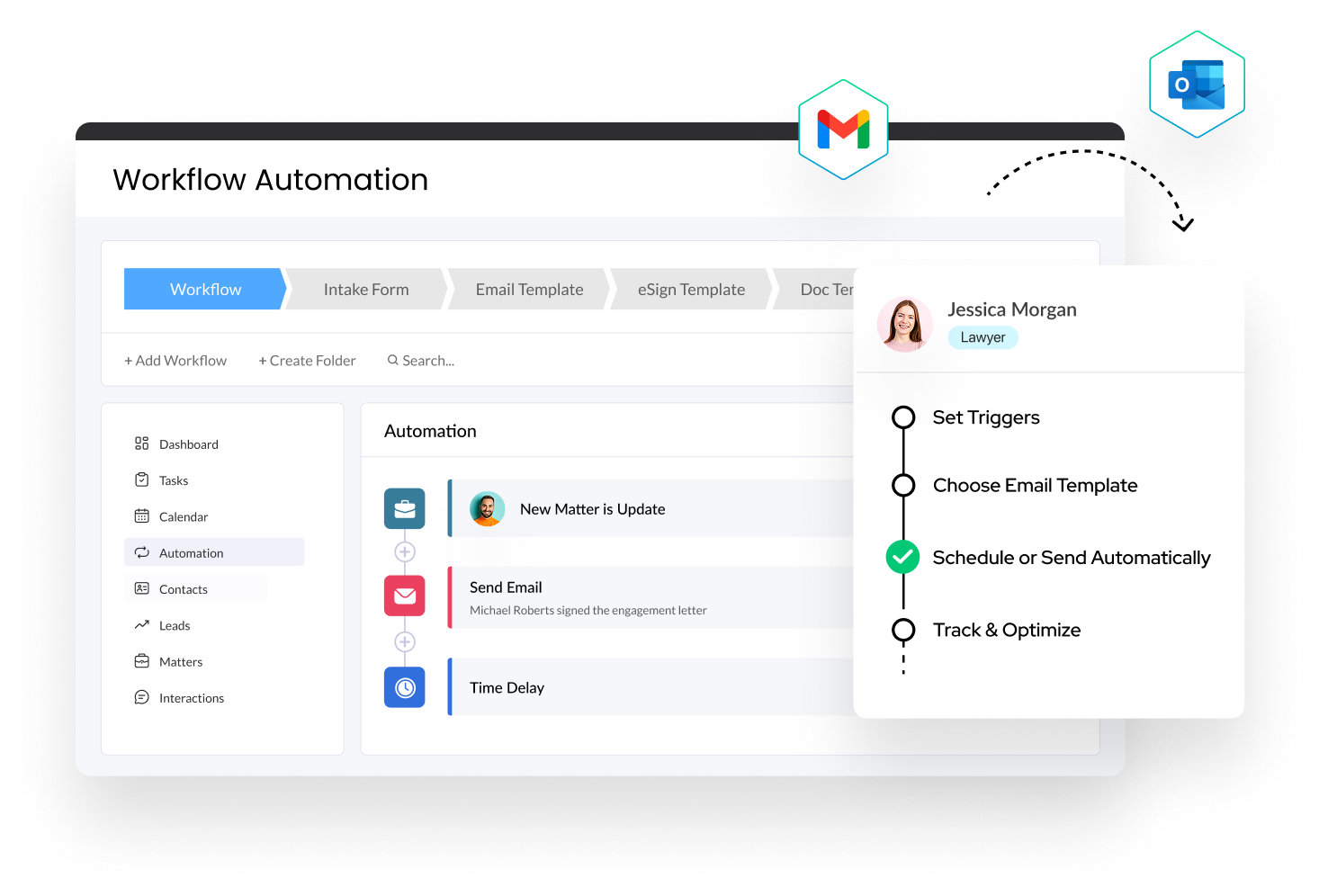
Lawcus workflow automation support for task templates, matter stages, reminders, approvals, forms, and process documentation.
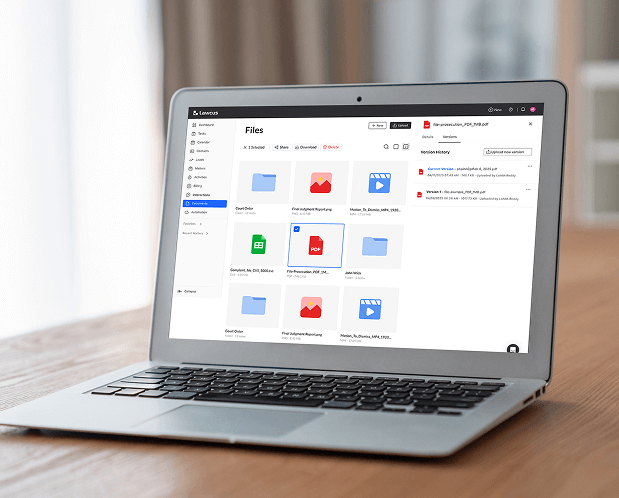
Lawcus client intake support for forms, consultations, lead routing, document requests, communication, and handoff to matters.
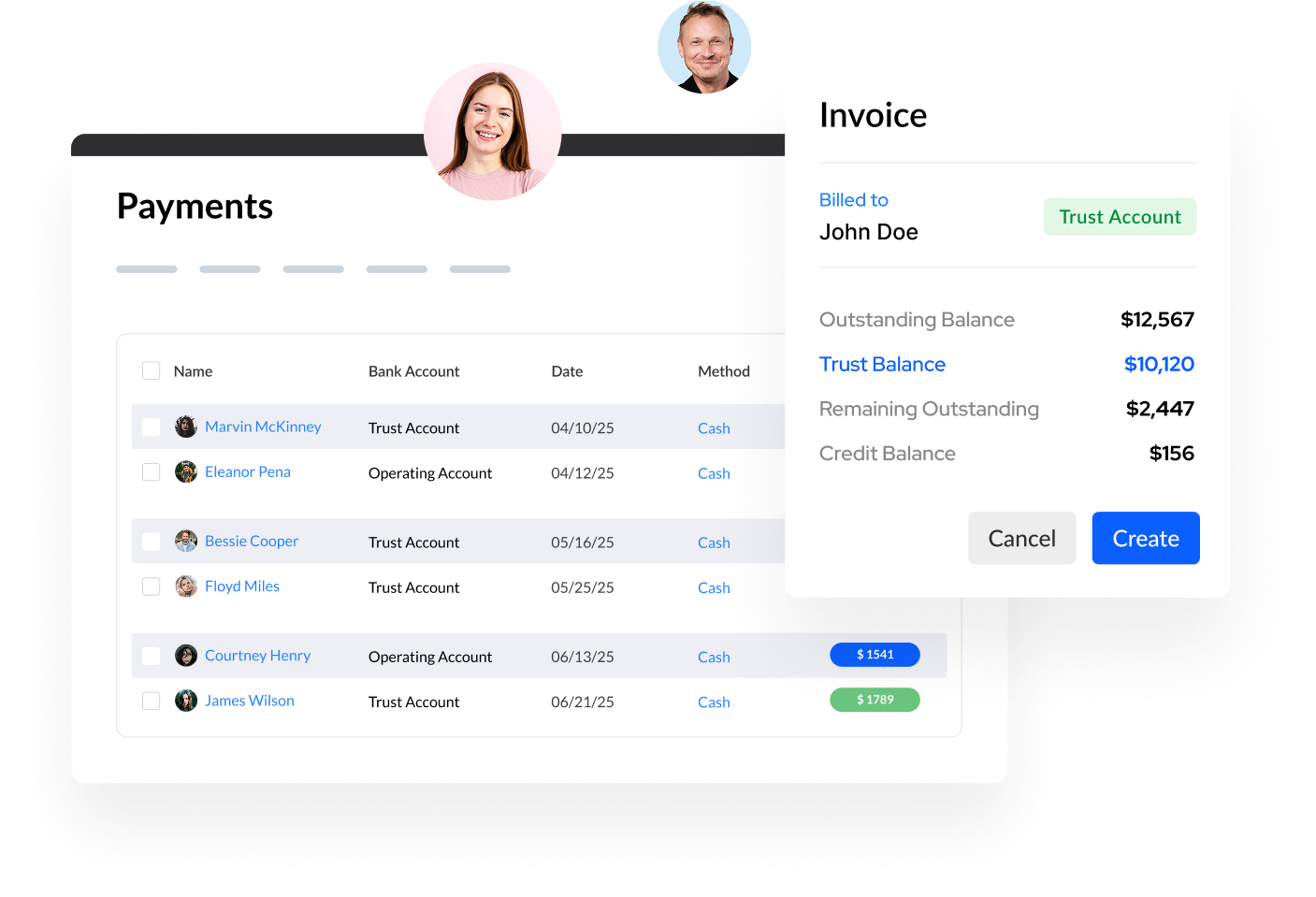
Lawcus billing and reporting support for time, invoices, payment workflows, dashboard review, and firm operations visibility.
Lawcus often connects Lawcus Legal CRM, Lawcus Workflow Automation, Lawcus Client Intake, and Lawcus Billing and Reporting with the wider needs around matters, clients, intake, documents, calendars, time, billing, payments, communication, and law firm operations. These related services keep Lawcus, its users, security controls, and supporting systems working as one managed business environment.
Software Support manages Lawcus Legal CRM, Lawcus Workflow Automation, and Lawcus Client Intake with clean access, configuration, integrations, employee training, issue resolution, and documented administration.
Business Process Support connects Lawcus Legal CRM, Lawcus Workflow Automation, and Lawcus Client Intake to approvals, notifications, data movement, exception handling, ownership, and reporting that remove repetitive work.
IT Help Desk gives Lawcus users one support path for Lawcus Legal CRM, Lawcus Workflow Automation, and Lawcus Client Intake, with documented escalation, recurring issue review, and coordination across IT.

A Lawcus integration is a data movement with consequences, not a checkbox that can be forgotten after setup. Validate the result and document ongoing ownership.
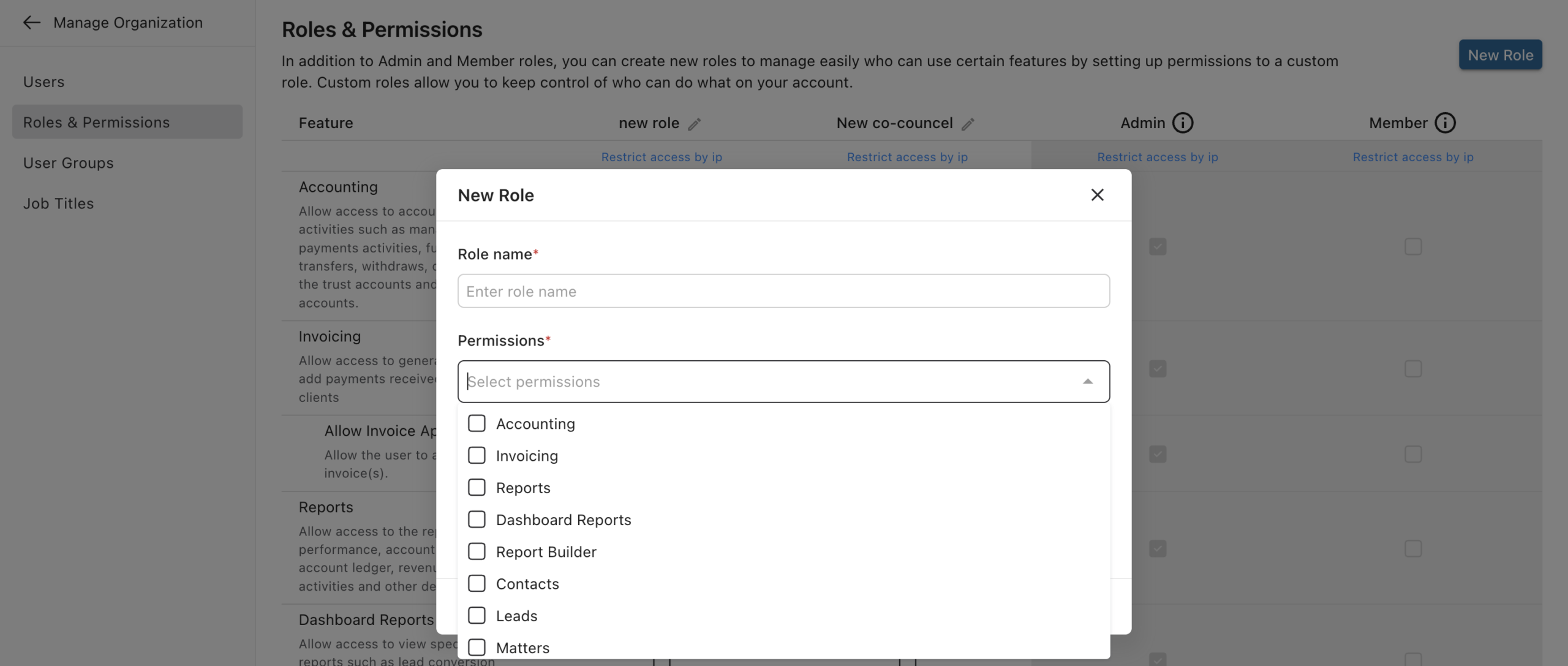
This guide covers Lawcus Access Security: Roles, Restricted Matters, and Offboarding with clear ownership, validation, documentation, and measurable follow-up.

This guide covers Lawcus Intake Workflows: From New Lead to Open Matter with practical steps to test real workflows before production handoff.
A. ALLMSP supports business use of Lawcus Legal CRM, Lawcus Workflow Automation, Lawcus Client Intake, and Lawcus Billing and Reporting. A Lawcus engagement can cover evaluation and account ownership, subscription or licensing review, configuration, migration, testing, documentation, training, and ongoing administration. For Lawcus, ALLMSP also provides troubleshooting, optimization, and a documented support plan for the selected platform.
A. Yes. ALLMSP provides Lawcus planning, implementation, and support for Atlanta and Metro Atlanta businesses. Scope is based on the organization's users, locations, current environment, risk, schedule, and the business result expected from Lawcus.
A. Yes. We compare Lawcus Legal CRM, Lawcus Workflow Automation, Lawcus Client Intake, and Lawcus Billing and Reporting using lead sources, practice areas, forms, required fields, conflict process, assignments, follow-up, documents, integrations, and conversion reporting. The Lawcus recommendation documents fit, tradeoffs, implementation work, warranty or subscription impact as applicable, and ongoing support before a purchase or commitment is made.
A. Yes. ALLMSP handles the Lawcus engagement in house from discovery and planning through account ownership, subscription or licensing review, configuration, migration, testing, documentation, training, and ongoing administration. The ALLMSP team documents Lawcus ownership, resolves launch issues, and continues improving the environment after handoff.
A. Yes. We assess the current use of Lawcus Legal CRM, Lawcus Workflow Automation, Lawcus Client Intake, and Lawcus Billing and Reporting, preserve what is working, and identify changes that remove risk or recurring friction. The Lawcus improvement plan is prioritized using unassigned leads, incomplete forms, follow-up delays, duplicate contacts, conversion, conflict steps, integrations, and staff adoption.
A. Yes. ALLMSP reviews Lawcus account ownership, subscription or licensing needs, administrators, user access, integrations, billing access where applicable, and unused assignments. The result is a cleaner Lawcus administration model with documented owners and recovery contacts.
A. The Lawcus security review considers lead sources, practice areas, forms, required fields, conflict process, assignments, follow-up, documents, integrations, and conversion reporting. ALLMSP then documents Lawcus administrator protection, least privilege, alert or logging needs, recovery access, test results, and the person responsible for each critical control.
A. Before Lawcus deployment, ALLMSP checks lead sources, practice areas, forms, required fields, conflict process, assignments, follow-up, documents, integrations, and conversion reporting. We test Lawcus Legal CRM and Lawcus Workflow Automation against real devices, data, applications, integrations, and employee workflows so compatibility means more than a successful sign-in or basic connection.
A. Yes. Lawcus training is based on the work employees and administrators actually perform with Lawcus Legal CRM, Lawcus Workflow Automation, Lawcus Client Intake, and Lawcus Billing and Reporting. Lawcus sessions include safe daily use, common errors, ownership, documentation, and the support path for questions that appear after launch.
A. Yes. ALLMSP troubleshoots Lawcus Legal CRM using the product configuration, connected systems, recent changes, logs or device evidence, and the affected business workflow. Findings and completed corrections are documented so recurring Lawcus problems can be fixed at their source.
A. After Lawcus implementation, ALLMSP reviews unassigned leads, incomplete forms, follow-up delays, duplicate contacts, conversion, conflict steps, integrations, and staff adoption. The Lawcus backlog separates urgent corrections from improvements in reliability, security, usability, cost, adoption, and lifecycle or subscription management.
A. Yes. ALLMSP can establish repeatable Lawcus models or settings, naming, access, integrations, testing, documentation, spare or licensing standards, and support procedures. Legitimate Lawcus differences between locations and teams are recorded instead of being forced into one unsuitable configuration.
A. Documentation for Lawcus can cover ownership, platform or subscription details, administrators, configuration, integrations, locations, test results, support contacts, recovery notes, warranty or renewal dates, and operating procedures for Lawcus Legal CRM, Lawcus Workflow Automation, Lawcus Client Intake, and Lawcus Billing and Reporting.
A. Yes. ALLMSP supports Lawcus for organizations in Lawrenceville, Suwanee, Gwinnett County, Metro Atlanta, and nearby Georgia communities. Remote Lawcus support can also serve a local business with traveling staff or locations outside Georgia.
A. Lawcus cost depends on the selected platform, user or device count, locations, current condition, migration or installation work, integrations, security requirements, training, project timing, and ongoing support. ALLMSP defines assumptions and acceptance criteria before major Lawcus work begins.