



























































































































































Operate APC NetShelter Rack PDUs with Capacity and Outlet Control
An APC rack PDU is often the last managed component before power enters a server, switch, storage controller, or firewall.

Type at least two characters
Type at least two characters
Browse business hardware first, then explore software by the work it supports.
Managed technology, AI integration, marketing, infrastructure, and business support.
Support, protection, devices, and dependable daily operations
AI systems, integrations, automation, analytics, and governance
Marketing, websites, hosting, print, signs, and brand visibility
Cloud, backup, cabling, planning, leadership, and business support
Technology, security, automation, and marketing aligned to the way your organization works.
ALLMSP supports businesses across Lawrenceville, Suwanee, Gwinnett County, Metro Atlanta, and nationwide remote environments.
Discuss Your Environment
APC can support battery backup, surge protection, power distribution, network storage, monitoring, runtime planning, and protected shutdown. ALLMSP helps Atlanta and Gwinnett businesses evaluate, configure, document, train, troubleshoot, and improve APC UPS Systems, APC Rack Power, APC Surge Protection, and APC Batteries and Monitoring, with every stage handled in house.
ALLMSP provides APC UPS, power protection, and business storage support for organizations in Lawrenceville, Suwanee, Gwinnett County, Metro Atlanta, and nearby Georgia communities. Our work covers APC UPS Systems, APC Rack Power, APC Surge Protection, and APC Batteries and Monitoring with planning tied to the way employees, locations, and business systems actually operate.
For APC UPS and Power, discovery begins with equipment load, runtime, outlet types, rack space, battery service, monitoring, shutdown needs, storage capacity, redundancy, and warranty. The APC plan defines implementation, support, security, training, documentation, and the next review for the actual environment.
Compare APC UPS Systems, APC Rack Power, APC Surge Protection, and APC Batteries and Monitoring using equipment load, runtime, outlet types, rack space, battery service, monitoring, shutdown needs, storage capacity, redundancy, and warranty. APC purchasing is coordinated with availability and project timing so the selected equipment is ready when deployment begins.
APC implementation work can size and install equipment, balance loads, configure monitoring and shutdown, label connections, test protection, and document battery or drive service. Each APC installation is tested and recorded for faster support after handoff.
APC support reviews alarms, battery health, runtime, load, firmware, storage capacity, drive health, redundancy, and replacement schedules. APC findings become a prioritized repair, standardization, or refresh plan with named next actions.
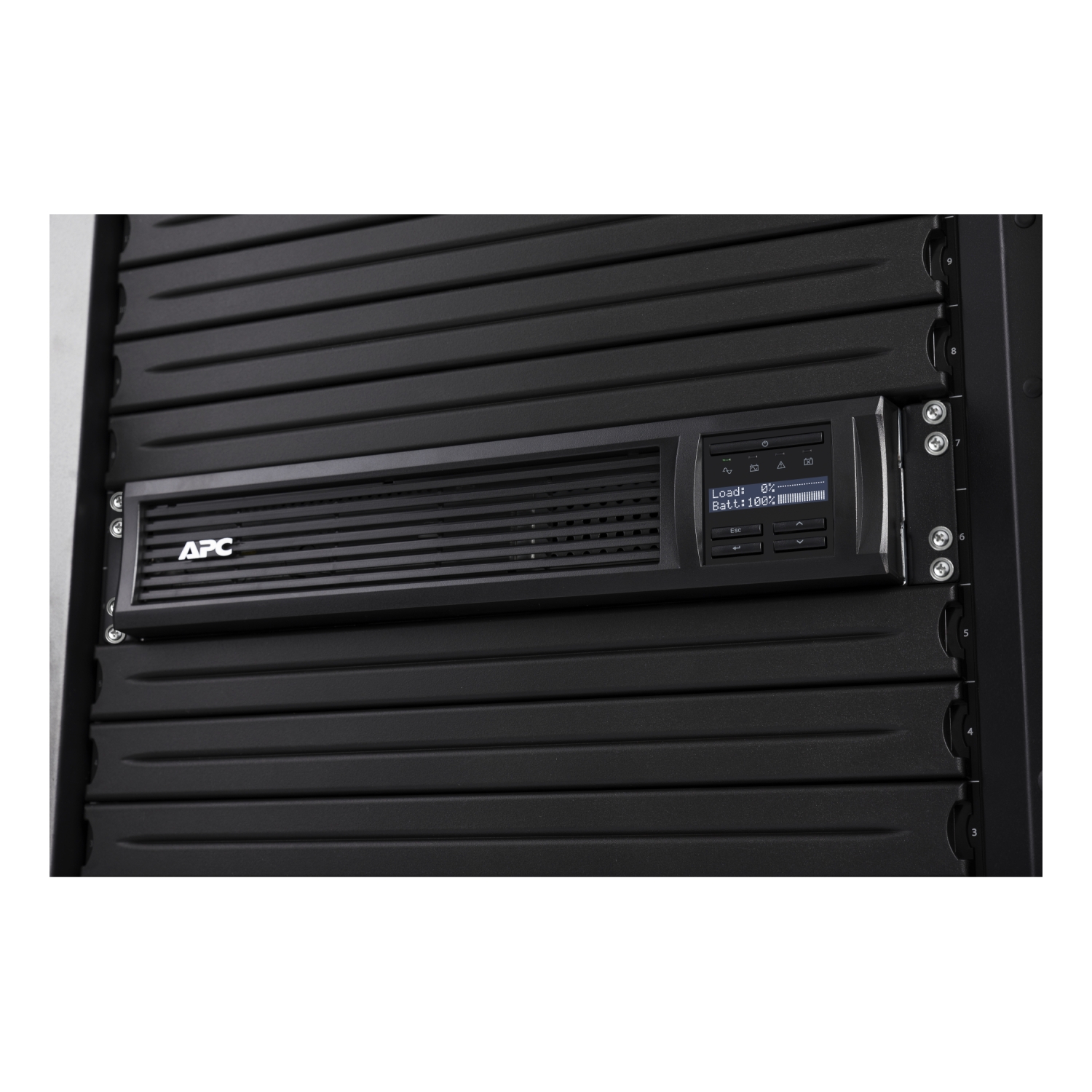
APC UPS support for desktops, network closets, servers, firewalls, switches, and business-critical systems that need clean backup power.
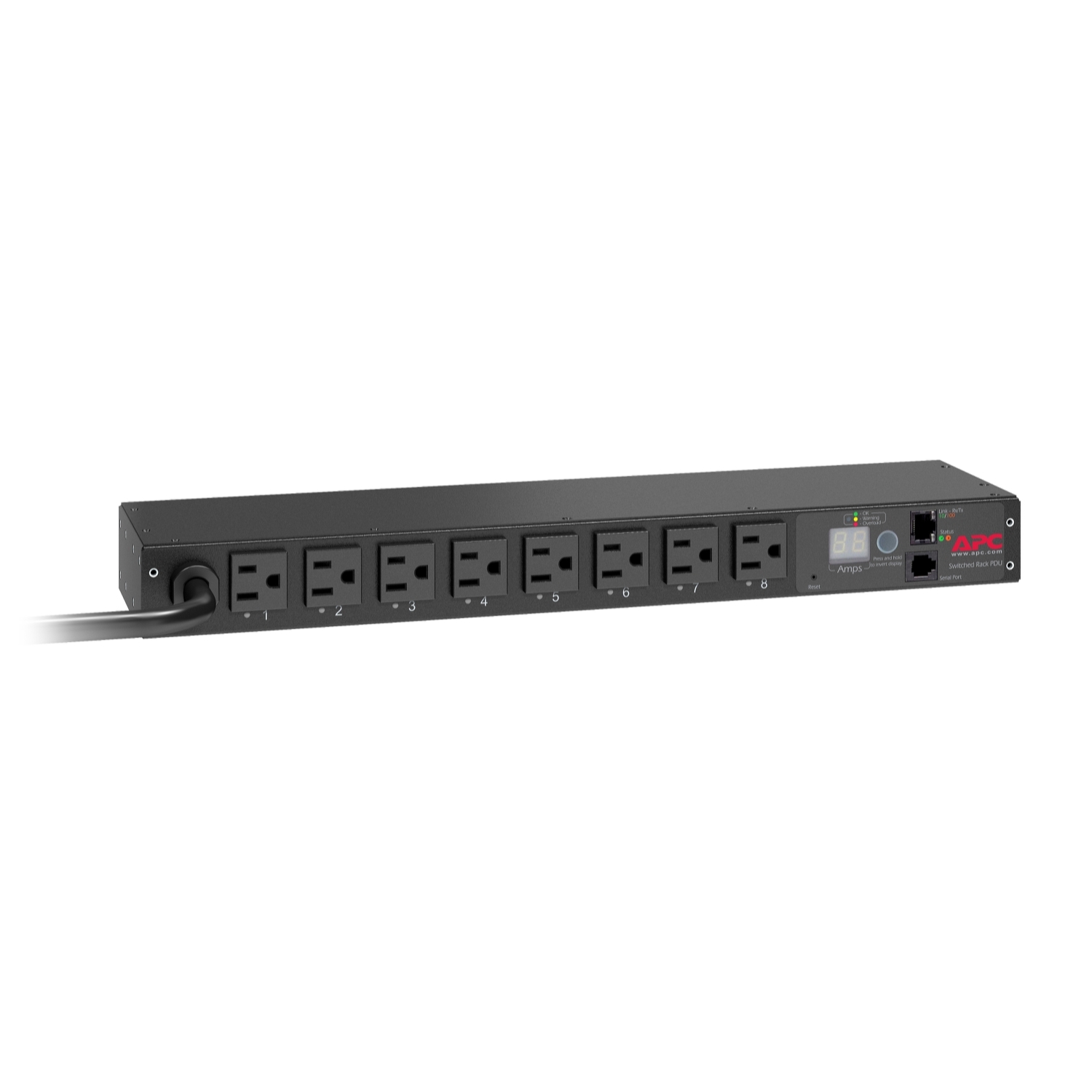
APC rack power support for PDUs, network closets, server racks, cable organization, and reliable power distribution.
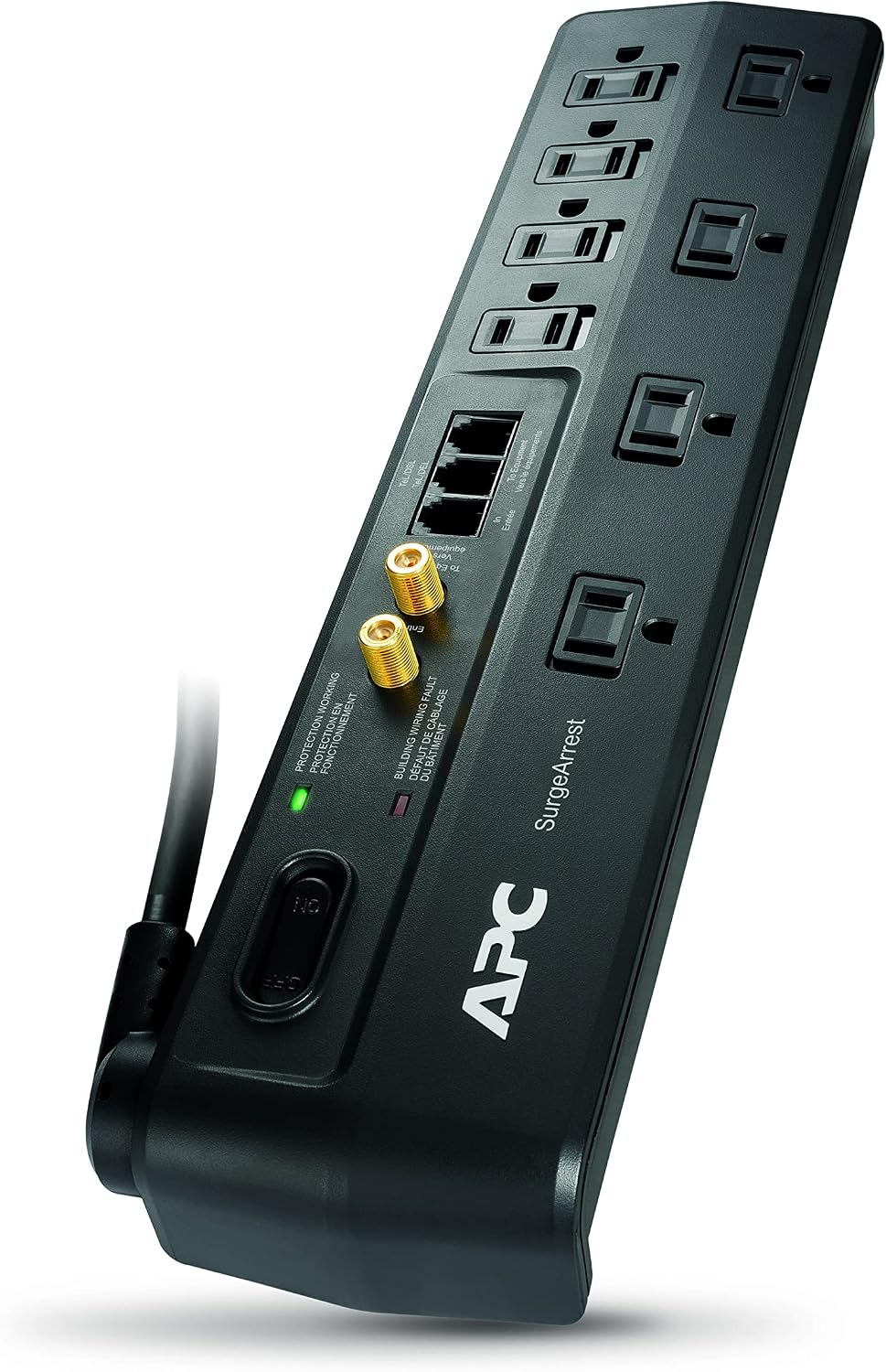
APC surge protection support for desks, shared equipment, printers, point of sale areas, and small office electronics.
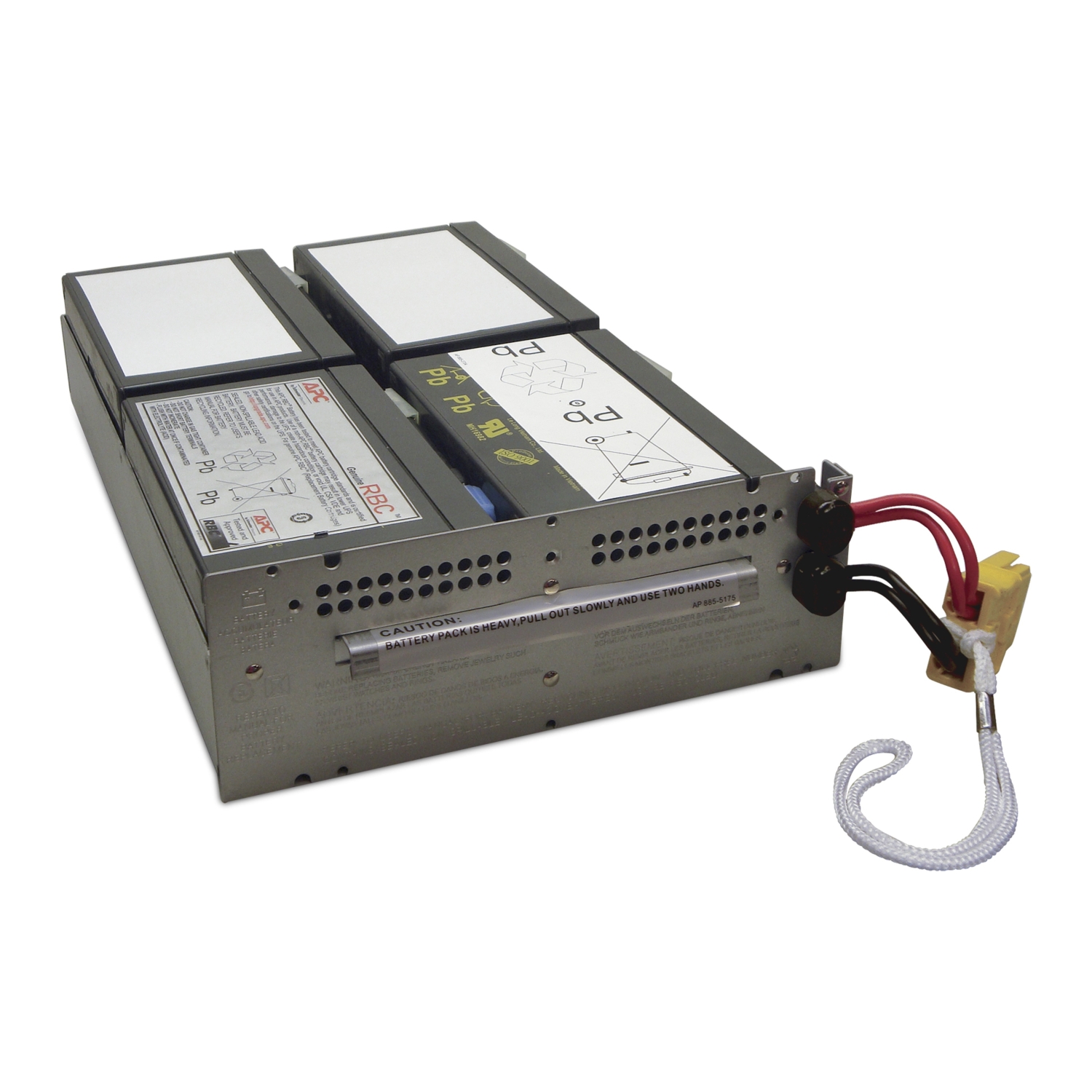
APC battery and monitoring support for UPS health, replacement cycles, network management cards, and alert visibility.
APC often connects APC UPS Systems, APC Rack Power, APC Surge Protection, and APC Batteries and Monitoring with the wider needs around battery backup, surge protection, power distribution, network storage, monitoring, runtime planning, and protected shutdown. These related services keep APC, its users, security controls, and supporting systems working as one managed business environment.
Hardware Support supports APC UPS Systems, APC Rack Power, and APC Surge Protection with compatibility checks, staged deployment, diagnostics, warranty records, inventory, repairs, and lifecycle planning.
Network and Cabling for APC covers the switching, wireless, internet, ports, pathways, labeling, and cable management that APC UPS Systems, APC Rack Power, and APC Surge Protection needs.
IT Support gives APC users one support path for APC UPS Systems, APC Rack Power, and APC Surge Protection, with documented escalation, recurring issue review, and coordination across IT.
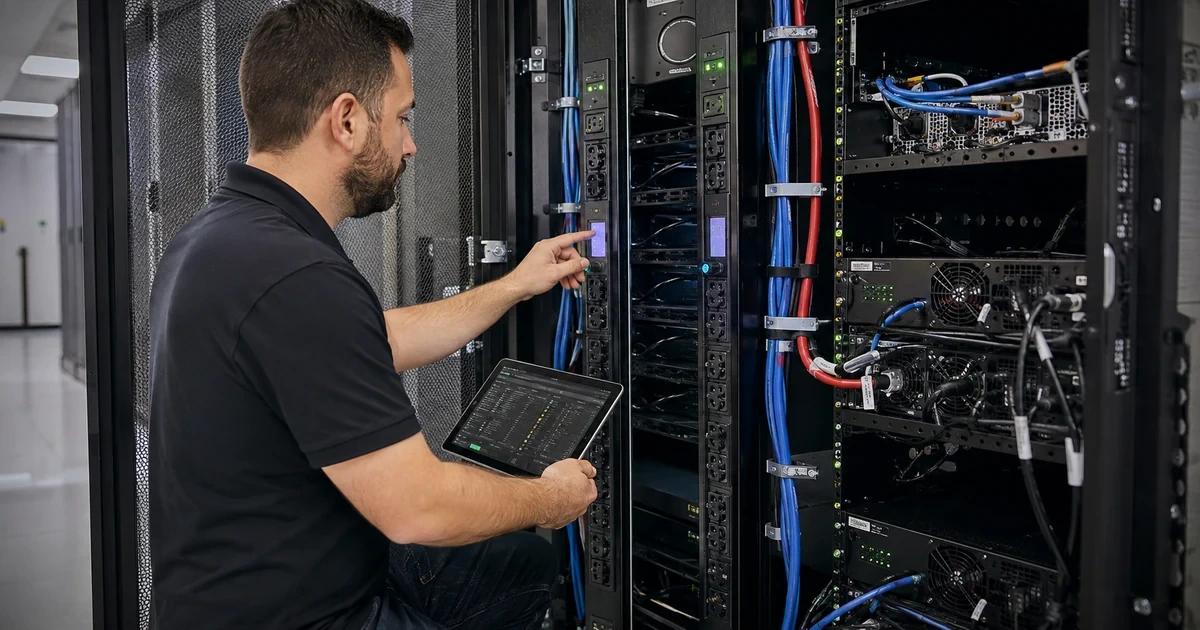
An APC rack PDU is often the last managed component before power enters a server, switch, storage controller, or firewall.
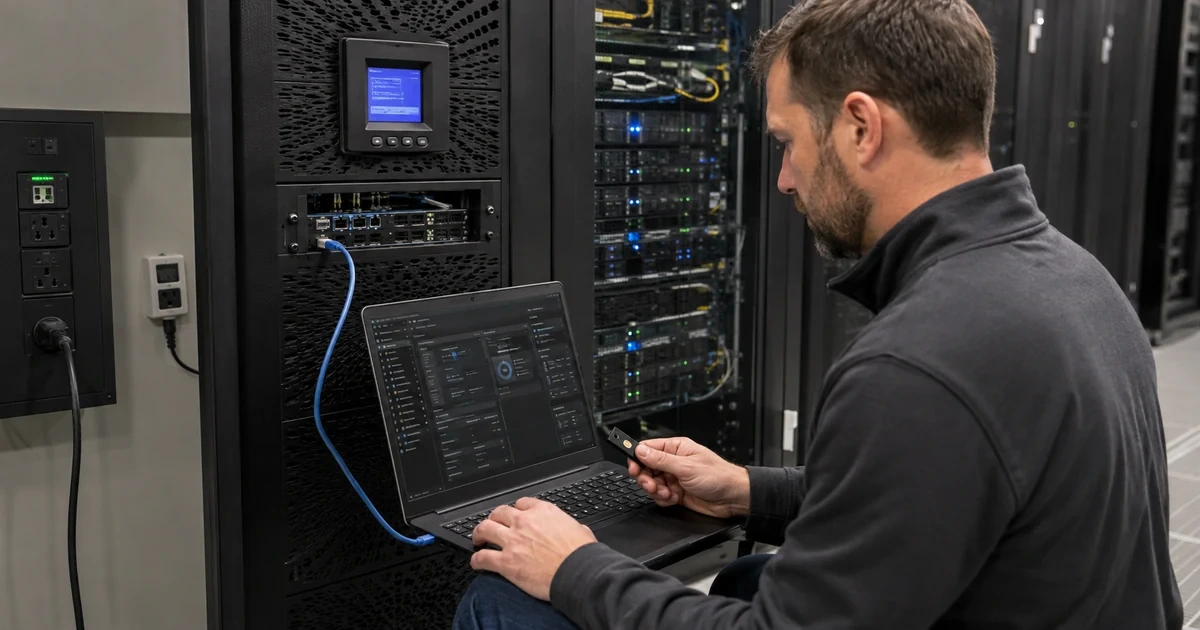
Secure APC Network Management Cards and PowerChute Shutdown with practical steps to validate the result and document ongoing ownership.
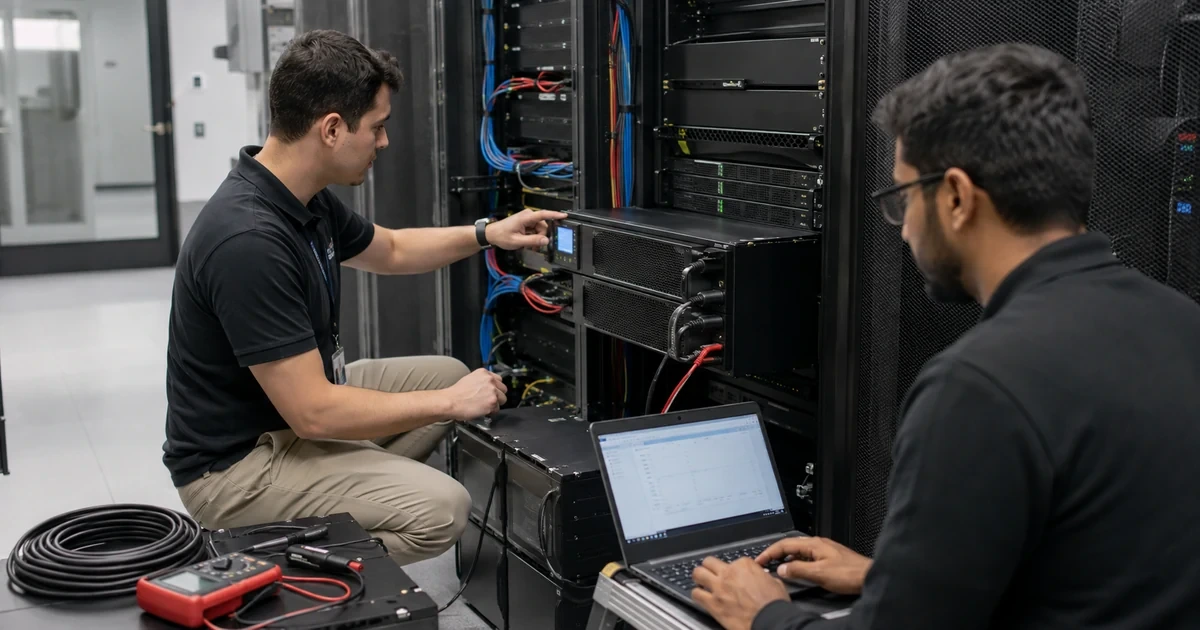
An APC Smart-UPS can report online while still being unfit for the business service attached to it. Validate the result and document ongoing ownership.
A. ALLMSP supports business use of APC UPS Systems, APC Rack Power, APC Surge Protection, and APC Batteries and Monitoring. An APC engagement can cover evaluation and model selection, competitive purchasing, delivery timing, staging, installation, testing, labeling, and warranty records. For APC, ALLMSP also provides troubleshooting, optimization, and a documented support plan for the selected equipment.
A. Yes. ALLMSP provides APC planning, implementation, and support for Atlanta and Metro Atlanta businesses. Scope is based on the organization's users, locations, current environment, risk, schedule, and the business result expected from APC.
A. Yes. We compare APC UPS Systems, APC Rack Power, APC Surge Protection, and APC Batteries and Monitoring using connected equipment, watts and VA, desired runtime, outlet types, rack or floor placement, network management, shutdown needs, battery service, and warranty. The APC recommendation documents fit, tradeoffs, implementation work, warranty or subscription impact as applicable, and ongoing support before a purchase or commitment is made.
A. Yes. ALLMSP handles the APC engagement in house from discovery and planning through model selection, competitive purchasing, delivery timing, staging, installation, testing, labeling, and warranty records. The ALLMSP team documents APC ownership, resolves launch issues, and continues improving the environment after handoff.
A. Yes. We assess the current use of APC UPS Systems, APC Rack Power, APC Surge Protection, and APC Batteries and Monitoring, preserve what is working, and identify changes that remove risk or recurring friction. The APC improvement plan is prioritized using load, runtime, alarms, self-tests, battery health, temperature, firmware, outage history, and replacement dates.
A. Yes. ALLMSP can compare APC models, compatibility, warranty, availability, project timing, and competitive pricing. Selected APC equipment is staged, installed, tested, labeled, documented, and prepared for practical employee use.
A. For APC equipment, ALLMSP reviews connected equipment, watts and VA, desired runtime, outlet types, rack or floor placement, network management, shutdown needs, battery service, and warranty. The APC record includes configuration, test results, warranty details, inventory, physical placement, support contacts, and replacement timing so reliability concerns remain visible.
A. Before APC deployment, ALLMSP checks connected equipment, watts and VA, desired runtime, outlet types, rack or floor placement, network management, shutdown needs, battery service, and warranty. We test APC UPS Systems and APC Rack Power against real devices, data, applications, integrations, and employee workflows so compatibility means more than a successful sign-in or basic connection.
A. Yes. APC training is based on the work employees and administrators actually perform with APC UPS Systems, APC Rack Power, APC Surge Protection, and APC Batteries and Monitoring. APC sessions include safe daily use, common errors, ownership, documentation, and the support path for questions that appear after launch.
A. Yes. ALLMSP troubleshoots APC UPS Systems using the product configuration, connected systems, recent changes, logs or device evidence, and the affected business workflow. Findings and completed corrections are documented so recurring APC problems can be fixed at their source.
A. After APC implementation, ALLMSP reviews load, runtime, alarms, self-tests, battery health, temperature, firmware, outage history, and replacement dates. The APC backlog separates urgent corrections from improvements in reliability, security, usability, cost, adoption, and lifecycle or subscription management.
A. Yes. ALLMSP can establish repeatable APC models or settings, naming, access, integrations, testing, documentation, spare or licensing standards, and support procedures. Legitimate APC differences between locations and teams are recorded instead of being forced into one unsuitable configuration.
A. Documentation for APC can cover ownership, equipment or subscription details, administrators, configuration, integrations, locations, test results, support contacts, recovery notes, warranty or renewal dates, and operating procedures for APC UPS Systems, APC Rack Power, APC Surge Protection, and APC Batteries and Monitoring.
A. Yes. ALLMSP supports APC for organizations in Lawrenceville, Suwanee, Gwinnett County, Metro Atlanta, and nearby Georgia communities. Remote APC support can also serve a local business with traveling staff or locations outside Georgia.
A. APC cost depends on the selected equipment, user or device count, locations, current condition, migration or installation work, integrations, security requirements, training, project timing, and ongoing support. ALLMSP defines assumptions and acceptance criteria before major APC work begins.