
























































































































































QNAP Support
QNAP hardware support for Metro Atlanta businesses
QNAP can support battery backup, surge protection, power distribution, network storage, monitoring, runtime planning, and protected shutdown. ALLMSP helps Atlanta and Gwinnett businesses evaluate, configure, document, train, troubleshoot, and improve QNAP Desktop NAS, QNAP Rackmount NAS, QNAP Storage Expansion, and QNAP HybridMount and Backup, with every stage handled in house.
QNAP UPS, power protection, and business storage support for Atlanta and Gwinnett businesses
ALLMSP provides QNAP UPS, power protection, and business storage support for organizations in Lawrenceville, Suwanee, Gwinnett County, Metro Atlanta, and nearby Georgia communities. Our work covers QNAP Desktop NAS, QNAP Rackmount NAS, QNAP Storage Expansion, and QNAP HybridMount and Backup with planning tied to the way employees, locations, and business systems actually operate.
For QNAP, discovery begins with equipment load, runtime, outlet types, rack space, battery service, monitoring, shutdown needs, storage capacity, redundancy, and warranty. The QNAP plan defines implementation, support, security, training, documentation, and the next review for the actual environment.
Plan and Procure
Compare QNAP Desktop NAS, QNAP Rackmount NAS, QNAP Storage Expansion, and QNAP HybridMount and Backup using equipment load, runtime, outlet types, rack space, battery service, monitoring, shutdown needs, storage capacity, redundancy, and warranty. QNAP purchasing is coordinated with availability and project timing so the selected equipment is ready when deployment begins.
Install and Document
QNAP implementation work can size and install equipment, balance loads, configure monitoring and shutdown, label connections, test protection, and document battery or drive service. Each QNAP installation is tested and recorded for faster support after handoff.
Support and Improve
QNAP support reviews alarms, battery health, runtime, load, firmware, storage capacity, drive health, redundancy, and replacement schedules. QNAP findings become a prioritized repair, standardization, or refresh plan with named next actions.

QNAP Desktop NAS
ALLMSP plans and supports QNAP Desktop NAS within the QNAP environment to give a small office or workgroup compact shared storage with controlled access, useful snapshots, monitoring, backup, and straightforward recovery.
- Plan QNAP Desktop NAS around users, data volume, growth, file types, protocols, desk or closet placement, drive bays, redundancy, network speed, snapshots, backup, and physical security.
- The QNAP Desktop NAS rollout includes work to install approved drives, create storage pools and shares, configure user access, connect monitoring, set snapshots and backup, test file recovery, and document ownership.
- After the QNAP Desktop NAS launch, ALLMSP reviews available capacity, drive health, access errors, snapshot status, failed jobs, firmware, network performance, backup evidence, and replacement timing.
QNAP Rackmount NAS
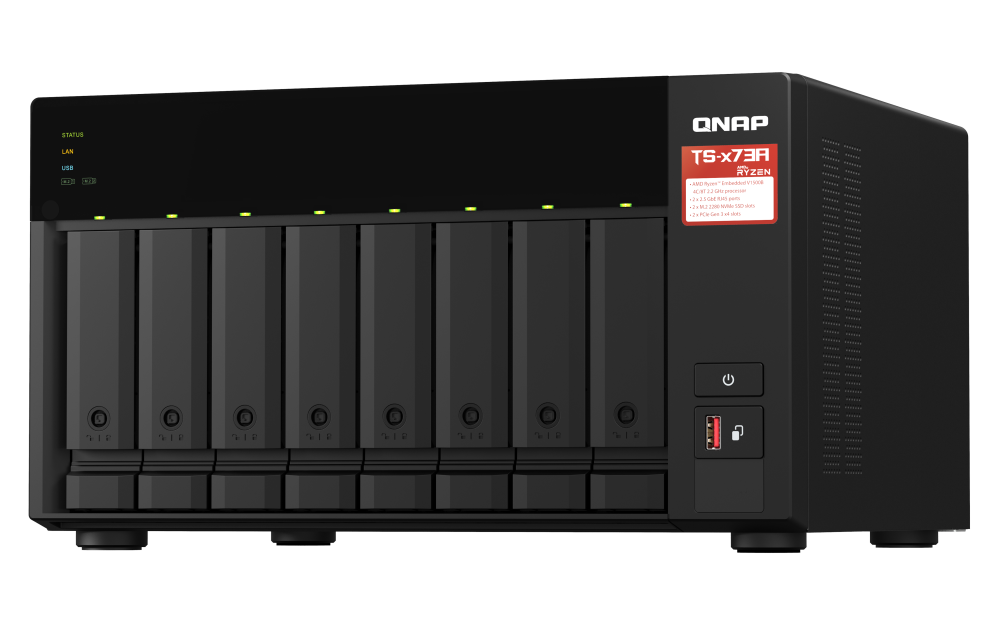
ALLMSP plans and supports QNAP Rackmount NAS within the QNAP environment to provide rack-based shared storage with higher capacity, redundant components, fast network access, monitoring, and planned expansion.
- Plan QNAP Rackmount NAS around rack space, data volume, growth, protocols, throughput, drive type, redundancy, network paths, snapshots, backup, power, cooling, and support.
- The QNAP Rackmount NAS rollout includes work to rack and cable the appliance, install drives and storage pools, configure redundant network access, create shares, enable monitoring and protection, test recovery, and document service procedures.
- After the QNAP Rackmount NAS launch, ALLMSP reviews capacity, drive and fan health, network paths, performance, snapshots, failed jobs, firmware, backup evidence, support coverage, and expansion thresholds.
QNAP Storage Expansion
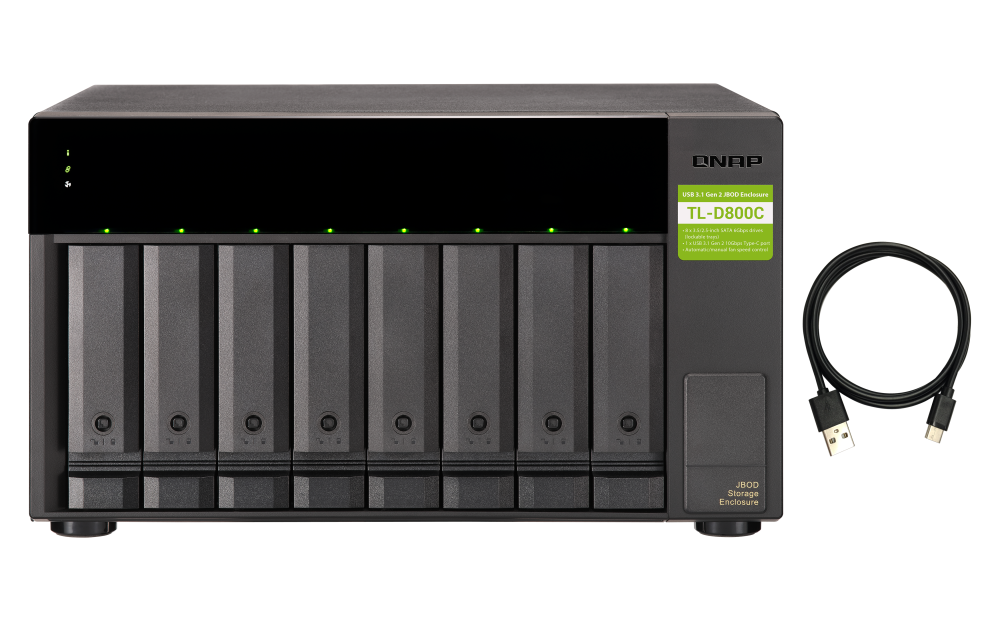
With QNAP Storage Expansion, the QNAP service plan focuses on the practical work needed to expand usable storage capacity without losing track of drive compatibility, enclosure limits, performance, redundancy, backup, or future growth.
- Review current pools, used capacity, growth rate, drive and enclosure compatibility, RAID layout, performance, rack or desk space, power, backup, and maintenance windows before approving the QNAP Storage Expansion scope.
- QNAP Storage Expansion implementation work will verify the expansion path, stage compatible drives or enclosures, update firmware, extend storage in a controlled window, test performance and protection, and document the new layout.
- QNAP Storage Expansion optimization tracks free space, rebuild status, drive health, enclosure alerts, performance, backup duration, growth rate, warranty, and the next expansion threshold.
QNAP HybridMount and Backup
ALLMSP plans and supports QNAP HybridMount and Backup within the QNAP environment to connect protected storage and backup workflows with clear job ownership, monitoring, retention, and recovery testing.
- Plan QNAP HybridMount and Backup around protected data, destinations, schedules, retention, bandwidth, credentials, encryption, alerts, recovery objectives, and storage capacity.
- The QNAP HybridMount and Backup rollout includes work to configure jobs and access, set schedules and retention, protect credentials, enable monitoring, test restores, document exceptions, and assign owners.
- After the QNAP HybridMount and Backup launch, ALLMSP reviews job success, failures, capacity, retention, protected assets, restore evidence, credentials, software versions, and unresolved exceptions.
Related services for QNAP
QNAP often connects QNAP Desktop NAS, QNAP Rackmount NAS, QNAP Storage Expansion, and QNAP HybridMount and Backup with the wider needs around battery backup, surge protection, power distribution, network storage, monitoring, runtime planning, and protected shutdown. These related services keep QNAP, its users, security controls, and supporting systems working as one managed business environment.
Hardware Support
Hardware Support supports QNAP Desktop NAS, QNAP Rackmount NAS, and QNAP Storage Expansion with compatibility checks, staged deployment, diagnostics, warranty records, inventory, repairs, and lifecycle planning.
Network and Cabling
Network and Cabling for QNAP covers the switching, wireless, internet, ports, pathways, labeling, and cable management that QNAP Desktop NAS, QNAP Rackmount NAS, and QNAP Storage Expansion needs.
Backup and Recovery
Backup and Recovery maps the data and configuration dependencies around QNAP Desktop NAS, QNAP Rackmount NAS, and QNAP Storage Expansion, protects the right information, and tests recovery steps before they are needed.
Industry Specific Solutions for IT Consulting, Marketing, HR, Cybersecurity & Cloud
Related Articles
QNAP consulting and support FAQ
Q. What QNAP products and services does ALLMSP support?
A. ALLMSP supports business use of QNAP Desktop NAS, QNAP Rackmount NAS, QNAP Storage Expansion, and QNAP HybridMount and Backup. A QNAP engagement can cover evaluation and model selection, competitive purchasing, delivery timing, staging, installation, testing, labeling, and warranty records. For QNAP, ALLMSP also provides troubleshooting, optimization, and a documented support plan for the selected equipment.
Q. Do you provide QNAP services and support in Atlanta?
A. Yes. ALLMSP provides QNAP planning, implementation, and support for Atlanta and Metro Atlanta businesses. Scope is based on the organization's users, locations, current environment, risk, schedule, and the business result expected from QNAP.
Q. Can ALLMSP help us choose the right QNAP product?
A. Yes. We compare QNAP Desktop NAS, QNAP Rackmount NAS, QNAP Storage Expansion, and QNAP HybridMount and Backup using users, data volume, growth, file types, protocols, desk or closet placement, drive bays, redundancy, network speed, snapshots, backup, and physical security. The QNAP recommendation documents fit, tradeoffs, implementation work, warranty or subscription impact as applicable, and ongoing support before a purchase or commitment is made.
Q. Can ALLMSP handle a QNAP project from planning through support?
A. Yes. ALLMSP handles the QNAP engagement in house from discovery and planning through model selection, competitive purchasing, delivery timing, staging, installation, testing, labeling, and warranty records. The ALLMSP team documents QNAP ownership, resolves launch issues, and continues improving the environment after handoff.
Q. Can you improve an existing QNAP environment?
A. Yes. We assess the current use of QNAP Desktop NAS, QNAP Rackmount NAS, QNAP Storage Expansion, and QNAP HybridMount and Backup, preserve what is working, and identify changes that remove risk or recurring friction. The QNAP improvement plan is prioritized using available capacity, drive health, access errors, snapshot status, failed jobs, firmware, network performance, backup evidence, and replacement timing.
Q. Can ALLMSP procure and install QNAP equipment?
A. Yes. ALLMSP can compare QNAP models, compatibility, warranty, availability, project timing, and competitive pricing. Selected QNAP equipment is staged, installed, tested, labeled, documented, and prepared for practical employee use.
Q. How does ALLMSP manage QNAP equipment securely and reliably?
A. For QNAP equipment, ALLMSP reviews users, data volume, growth, file types, protocols, desk or closet placement, drive bays, redundancy, network speed, snapshots, backup, and physical security. The QNAP record includes configuration, test results, warranty details, inventory, physical placement, support contacts, and replacement timing so reliability concerns remain visible.
Q. Will QNAP work with our current technology?
A. Before QNAP deployment, ALLMSP checks users, data volume, growth, file types, protocols, desk or closet placement, drive bays, redundancy, network speed, snapshots, backup, and physical security. We test QNAP Desktop NAS and QNAP Rackmount NAS against real devices, data, applications, integrations, and employee workflows so compatibility means more than a successful sign-in or basic connection.
Q. Does ALLMSP provide QNAP training?
A. Yes. QNAP training is based on the work employees and administrators actually perform with QNAP Desktop NAS, QNAP Rackmount NAS, QNAP Storage Expansion, and QNAP HybridMount and Backup. QNAP sessions include safe daily use, common errors, ownership, documentation, and the support path for questions that appear after launch.
Q. Can ALLMSP troubleshoot QNAP Desktop NAS?
A. Yes. ALLMSP troubleshoots QNAP Desktop NAS using the product configuration, connected systems, recent changes, logs or device evidence, and the affected business workflow. Findings and completed corrections are documented so recurring QNAP problems can be fixed at their source.
Q. How do you optimize QNAP after implementation?
A. After QNAP implementation, ALLMSP reviews available capacity, drive health, access errors, snapshot status, failed jobs, firmware, network performance, backup evidence, and replacement timing. The QNAP backlog separates urgent corrections from improvements in reliability, security, usability, cost, adoption, and lifecycle or subscription management.
Q. Can QNAP be standardized across multiple offices?
A. Yes. ALLMSP can establish repeatable QNAP models or settings, naming, access, integrations, testing, documentation, spare or licensing standards, and support procedures. Legitimate QNAP differences between locations and teams are recorded instead of being forced into one unsuitable configuration.
Q. What documentation is included with QNAP support?
A. Documentation for QNAP can cover ownership, equipment or subscription details, administrators, configuration, integrations, locations, test results, support contacts, recovery notes, warranty or renewal dates, and operating procedures for QNAP Desktop NAS, QNAP Rackmount NAS, QNAP Storage Expansion, and QNAP HybridMount and Backup.
Q. Do you support QNAP in Lawrenceville, Suwanee, and Gwinnett County?
A. Yes. ALLMSP supports QNAP for organizations in Lawrenceville, Suwanee, Gwinnett County, Metro Atlanta, and nearby Georgia communities. Remote QNAP support can also serve a local business with traveling staff or locations outside Georgia.
Q. What determines the cost of QNAP consulting and support?
A. QNAP cost depends on the selected equipment, user or device count, locations, current condition, migration or installation work, integrations, security requirements, training, project timing, and ongoing support. ALLMSP defines assumptions and acceptance criteria before major QNAP work begins.