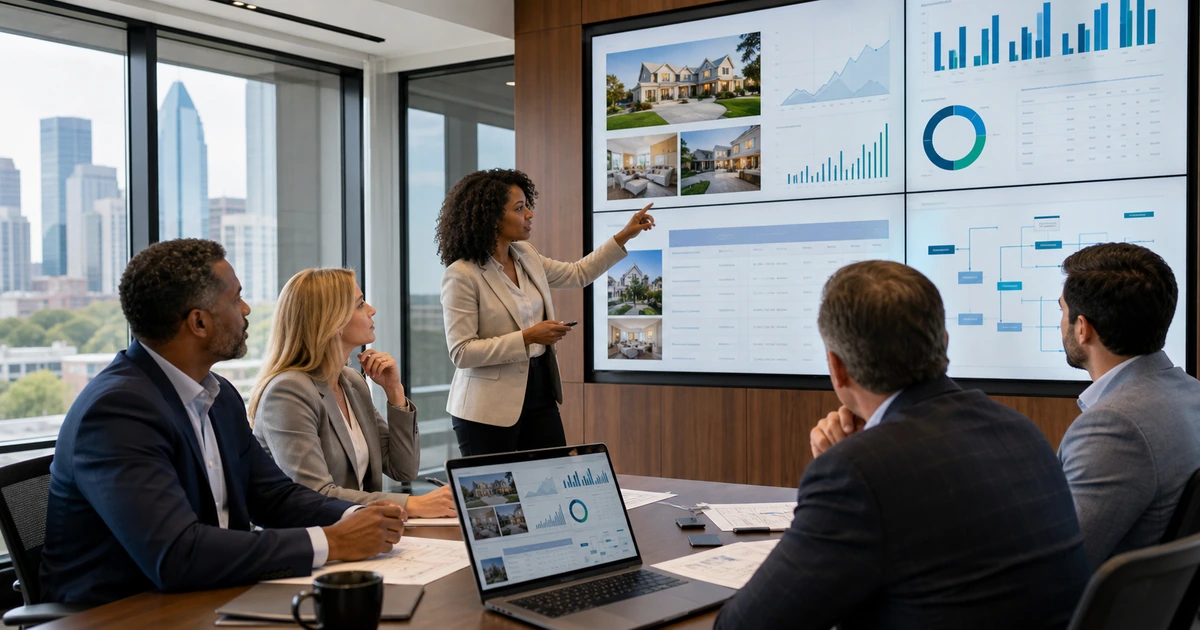






















































































































































Real estate organizations combine mobile work, valuable client information, public-facing listings, shared transaction files, outside participants, urgent deadlines, and frequent payment communication. That combination makes identity and email security central to business operations. One compromised account can expose documents, redirect conversations, alter a listing, impersonate an agent, or support a fraudulent payment request.
Security should protect the way agents and staff actually work. The brokerage needs managed accounts, strong authentication, controlled sharing, dependable devices, current software, monitored email, secure recovery, verified backups, and a rapid route for reporting suspicious messages or lost equipment. Controls that exist only on paper will be bypassed during a busy transaction.
ALLMSP provides real estate cybersecurity and managed IT for Lawrenceville, Suwanee, Gwinnett County, Metro Atlanta, and organizations throughout Georgia. Our in-house team can assess exposure, implement controls, train users, manage devices and accounts, respond to incidents, and maintain recovery readiness.
A real estate security baseline that supports daily work
- Control identity: Use company-owned accounts, phishing-resistant authentication where practical, least privilege, protected recovery, and prompt departure handling.
- Manage devices: Inventory computers and mobile devices, enforce updates and encryption, protect screens, control applications, monitor health, and prepare lost-device response.
- Defend email: Reduce impersonation and takeover through authentication, filtering, sign-in monitoring, forwarding review, user training, and rapid containment.
- Protect transactions: Restrict file sharing, verify unusual changes, keep source documents controlled, and never trust unexpected wire instructions without independent confirmation.
- Secure public systems: Review listing, website, business-profile, social, phone, and marketing administrators, integrations, recovery, and unauthorized changes.
- Prove recovery: Test account recovery, device replacement, final transaction access, backup restoration, emergency contacts, and manual continuity.
Harden identity, email, and administrative ownership
Start with a complete identity inventory. Include email, cloud storage, transaction systems, listing services, CRM, accounting, marketing, website, phone, remote access, device management, and social or business profiles. Replace shared administrator accounts where the platform permits named access. Require multifactor authentication, protect recovery methods, restrict high-risk connected apps, and review sign-ins, forwarding, mailbox rules, and privileged changes.
Prioritize phishing-resistant methods for administrators and high-risk users where supported. Text and basic push methods are better than passwords alone but can still be targeted. Train employees to recognize lookalike domains, unexpected login prompts, changed payment requests, urgent secrecy, and messages that ask them to bypass the normal process. Give them a fast way to report a concern without fear of slowing the transaction.
- Administrative roles: Limit privilege, separate routine and administrative work, maintain more than one controlled recovery path, and review changes.
- Connected applications: Remove unused integrations, examine requested permissions, verify publishers, document business purpose, and monitor tokens and service accounts.
- Departure process: Disable access promptly, preserve required records, transfer ownership, rotate shared secrets, recover devices, and review delegated mail or forwarding.
- Domain protection: Secure registration and DNS, control renewals, use appropriate email authentication, monitor lookalike abuse, and document emergency access.
- User reporting: Provide one visible route for suspicious email, sign-in prompts, profile changes, lost devices, exposed documents, and unusual client requests.
Strong identity control makes it harder for an attacker to become a trusted participant in a listing or transaction conversation.
Manage mobile devices, sharing, and public-facing platforms
Agents work from homes, offices, vehicles, coffee shops, and properties. Establish minimum device requirements for screen lock, encryption, supported operating systems, updates, endpoint protection, browser control, approved applications, and remote response. Decide which devices may store transaction files and whether personal devices can meet the same protections, support, and departure requirements.
Review how records are shared with clients, lenders, inspectors, attorneys, title personnel, photographers, vendors, and other outside participants. Use approved platforms, grant only the required access, prefer named recipients, set expiration where appropriate, and monitor public links. Public-facing accounts need similar discipline because unauthorized changes to a profile, website, phone number, advertisement, or listing can redirect both trust and inquiries.
- Device inventory: Record owner, user, model, operating system, encryption, security state, applications, last contact, warranty, and disposition.
- Mobile loss response: Report quickly, revoke sessions, protect the phone number, locate or wipe where authorized, reset exposed credentials, and review access.
- File sharing: Use managed repositories, named access, least privilege, expiration, download controls where justified, audit logs, and scheduled outside-user review.
- Listing and profile security: Verify administrators, multifactor authentication, integrations, change alerts, recovery, ownership, and an urgent correction procedure.
- Remote work: Avoid unknown shared computers, protect screens and conversations, use trusted network practices, keep devices attended, and follow approved document procedures.
Mobile productivity remains dependable when the brokerage can see devices and access, protect data, and respond quickly without relying on personal memory.
Prepare for wire fraud, account compromise, and recovery
Document a verification process for payment and wiring information before a transaction becomes urgent. NAR advises independent confirmation using trusted contact information and caution around last-minute changes. The brokerage should tell staff and clients what legitimate communication looks like, which channels are authorized, and that unexpected instructions will be verified outside the message that delivered them.
Create incident playbooks for suspicious email, confirmed account takeover, exposed documents, malicious profile changes, lost devices, ransomware, and failed transaction systems. Preserve messages and logs, contain affected accounts, contact authorized financial and transaction parties through known channels, assess affected records, restore safe operation, and document the corrective work. Test account recovery and access to final records before an incident, not after.
- Wire verification: Use a known independently obtained number or approved in-person process and never accept a sensitive change solely from an unexpected message.
- Account containment: Reset credentials, revoke sessions and tokens, remove malicious rules, examine delegated access, preserve evidence, and confirm administrator control.
- Communication plan: Maintain authorized contacts for leadership, bank, insurer, legal counsel, transaction partners, technology support, and appropriate reporting.
- Backup and retention: Know which systems provide versioning or backup, what data is exported, how long records remain available, and how restoration is tested.
- Continuity exercise: Practice how the team communicates, reaches source documents, assigns urgent work, and serves clients when email or a primary platform is unavailable.
Prepared recovery limits confusion and gives employees a trusted procedure when an attacker tries to create urgency and uncertainty.
Real estate cybersecurity and managed IT with ALLMSP
ALLMSP can assess identities, email, devices, networks, cloud services, transaction platforms, listings, websites, backups, and incident readiness. We implement multifactor authentication, endpoint management, security monitoring, protected sharing, account recovery, user training, backup, documentation, and ongoing support in house.
Brokerages in Lawrenceville, Suwanee, Gwinnett County, Atlanta, and across Georgia can use one team for cybersecurity, managed IT, cloud, mobile devices, marketing platforms, automation, and incident response.
- Security assessment: Accounts, privilege, authentication, email, devices, applications, public profiles, sharing, backups, vendors, and recovery evidence.
- Protection rollout: Managed identity, endpoint controls, email hardening, device standards, secure sharing, monitoring, training, and incident procedures.
- Continuous defense: Alert review, access changes, patching, user support, backup tests, security exercises, documentation, and executive reporting.
Primary resources for real estate identity and transaction security
Use recognized cybersecurity and real estate guidance to shape controls, then validate them in the actual brokerage environment.
- ALLMSP Cybersecurity. Identity, endpoints, email, monitoring, training, backup, incident response, and ongoing protection.
Real estate cybersecurity FAQs
Why are real estate transactions targeted by wire fraud?
Transactions involve large payments, many participants, electronic documents, urgent deadlines, and changing communication. Attackers may compromise email and imitate trusted parties at a convincing moment.
How should wiring instructions be verified?
Use a known, independently obtained contact method or approved in-person process. Do not rely on the phone number, link, or reply path inside an unexpected message that changes payment details.
Which real estate accounts need multifactor authentication?
Protect email, cloud storage, transaction systems, listing services, CRM, accounting, marketing, website, phone, remote access, device management, and administrators wherever supported.
Is text-message MFA enough for a brokerage?
It improves on passwords alone, but stronger phishing-resistant methods should be prioritized for administrators and high-risk users where supported. Authentication must also include secure recovery and session control.
How can a brokerage secure agents' personal devices?
Define minimum requirements, enrollment or approved access methods, screen lock, encryption, updates, supported applications, data separation, lost-device response, support boundaries, and departure handling.
What should happen when an agent leaves?
Disable access promptly, revoke sessions, preserve records, transfer files and ownership, remove forwarding, rotate shared secrets, recover company equipment, and review connected applications.
How should transaction documents be shared?
Use approved managed platforms, named access, least privilege, appropriate expiration, activity records, and regular outside-user review. Avoid uncontrolled public links and unnecessary attachments.
What is the first step after suspected email compromise?
Report it immediately through the established route, preserve evidence, contain the account, revoke sessions, inspect rules and delegated access, reset recovery securely, and notify authorized responders.
Can ALLMSP manage real estate cybersecurity from assessment through support?
Yes. ALLMSP handles identity, email, devices, networks, cloud, security monitoring, backup, training, incident response, documentation, and help desk service in house.
Where does ALLMSP provide cybersecurity for real estate firms?
ALLMSP supports Lawrenceville, Suwanee, Gwinnett County, Metro Atlanta, and real estate organizations throughout Georgia.
Sources
- NAR guide to real estate wire fraud. Guidance on independent verification, suspicious changes, trusted contacts, and rapid action. ↩
- CISA phishing-resistant MFA fact sheet. Why phishing resistance matters and how stronger authentication reduces account-takeover risk. ↩
- NIST Cybersecurity Framework 2.0. A business-oriented structure for cybersecurity governance and risk outcomes. ↩