



















































































































































Virtual Chief Risk Officer | vCRO Services
Executive-level risk leadership to identify, assess, and mitigate organizational risk.
ALLMSP’s Virtual Chief Risk Officer (vCRO) services provide strategic oversight for enterprise risk management, regulatory exposure, operational resilience, and business continuity planning. Our fractional vCROs help organizations proactively identify threats, reduce vulnerabilities, and strengthen decision-making without the cost of a full-time executive.

What Is a Virtual Chief Risk Officer?
A Virtual Chief Risk Officer (vCRO) delivers executive leadership focused on identifying, evaluating, and mitigating risks that could impact operations, finances, compliance, or reputation.
Rather than reacting to incidents, a vCRO builds structured frameworks that improve visibility, accountability, and long-term resilience.
Establishing enterprise risk management (ERM) frameworks
Conducting risk assessments and impact analyses
Developing mitigation and response strategies
Aligning risk posture with business objectives
Advising leadership on regulatory and operational exposure
Why vCRO Services Matter
Proactive Risk Management Protects Business Stability
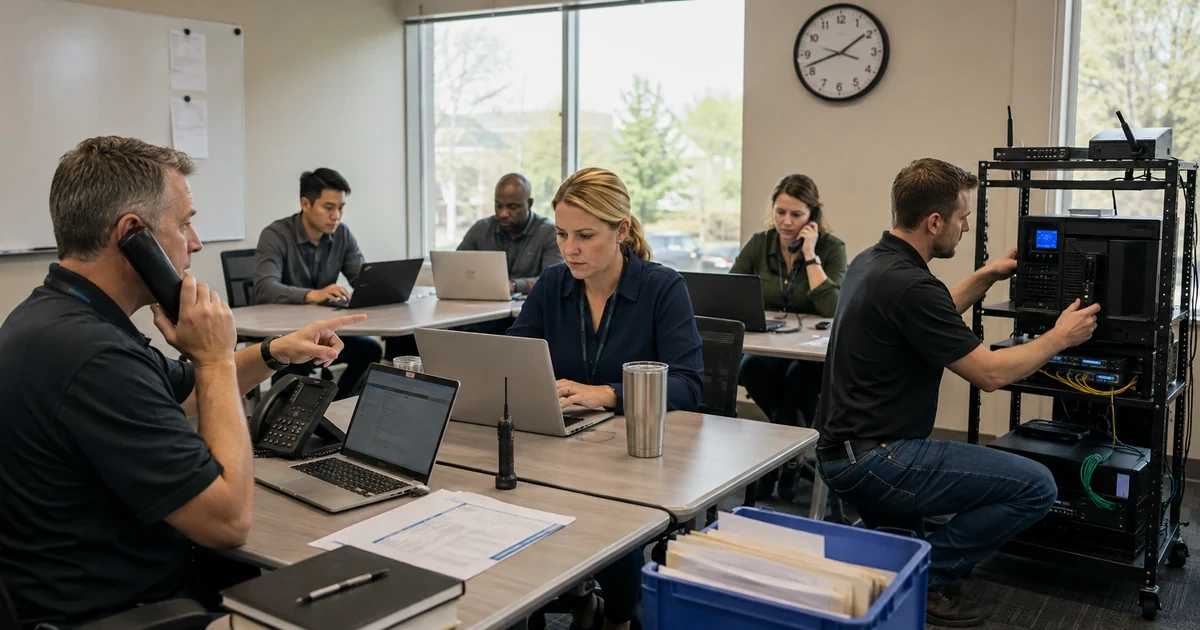
Unmanaged risk can disrupt operations, damage reputation, and create financial exposure. vCRO services ensure risks are identified early, measured accurately, and managed strategically.
Enterprise Risk Framework Development
Create structured governance models that define risk ownership, reporting, and accountability.
Operational Risk Reduction
Identify vulnerabilities across processes, vendors, and systems before they escalate.
Regulatory & Compliance Oversight
Align policies and controls with industry regulations and standards.
Business Continuity Planning
Develop contingency and recovery plans to minimize disruption during crises.
Vendor & Third-Party Risk Management
Assess external partnerships to reduce supply chain and cybersecurity exposure.
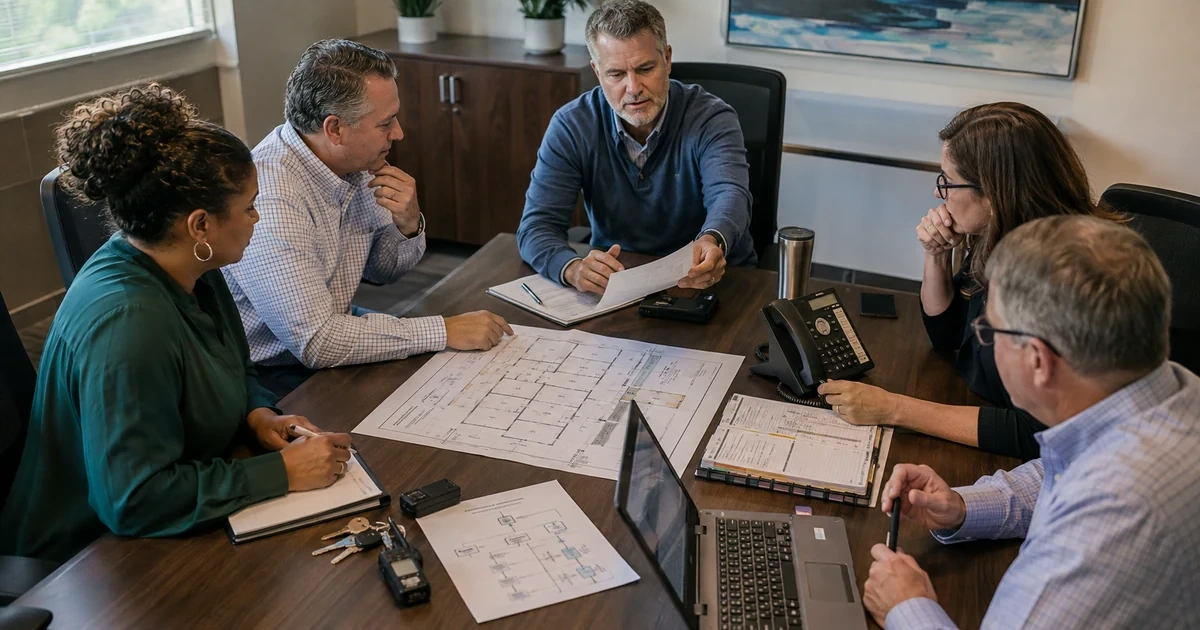
How Our Virtual Chief Risk Officer Process Works
1. Organizational Risk Assessment
Evaluate operational, financial, cybersecurity, compliance, and reputational risks.
2. Risk Prioritization & Impact Analysis
Measure probability and potential impact to prioritize mitigation efforts.
3. Framework & Policy Development
Design governance structures and risk management policies tailored to your organization.
4. Mitigation Strategy Implementation
Establish controls, monitoring procedures, and response plans.
5. Ongoing Monitoring & Reporting
Provide executive-level updates and continuous risk oversight.
6. Continuous Improvement & Resilience Planning
Refine frameworks as the organization grows or regulations evolve.
vCRO Deliverables
What You Can Expect:
Structured Outputs That Strengthen Organizational Resilience
ALLMSP’s vCRO services provide measurable, executive-level deliverables designed to reduce exposure, improve governance, and increase operational stability.
Enterprise Risk Management Framework
A documented ERM structure defining risk categories, ownership, reporting cadence, and governance protocols.
Comprehensive Risk Assessment Report
Detailed evaluation of operational, financial, cybersecurity, regulatory, and third-party risks with prioritization scoring.
Risk Mitigation & Control Plan
Actionable roadmap outlining recommended controls, policy updates, and mitigation strategies.
Business Continuity & Incident Response Framework
Structured continuity planning and crisis response documentation to minimize operational disruption.
Vendor & Third-Party Risk Evaluation
Formalized assessment process for external partners, including due diligence standards and monitoring procedures.
Who Benefits from vCRO Services
Our vCRO services are ideal for:
Small and mid-sized businesses without a full-time risk executive
Organizations in regulated industries
Companies preparing for audits or compliance reviews
Businesses experiencing growth, mergers, or restructuring
Leadership teams seeking stronger risk visibility and governance
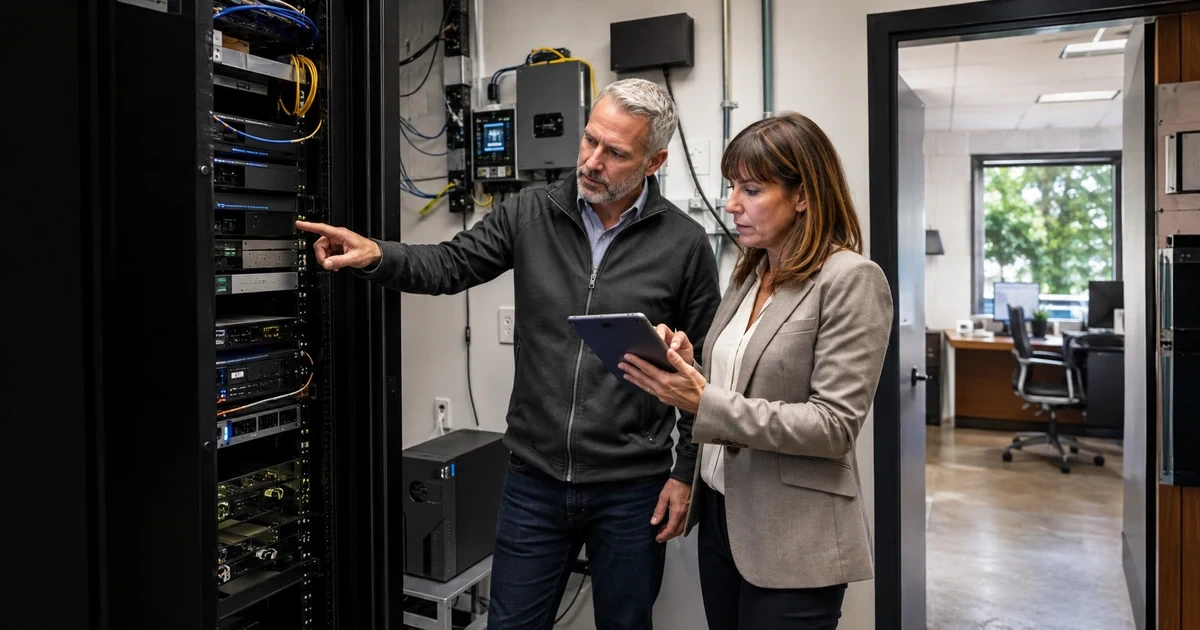
vCRO vs Managed IT Services
| Virtual Chief Risk Officer (vCRO) | Managed IT Services |
|---|---|
| Focuses on enterprise risk governance and oversight | Focuses on day-to-day IT operations and support |
| Develops risk frameworks and mitigation strategies | Manages infrastructure and user support |
| Provides executive-level risk reporting | Handles technical troubleshooting |
| Oversees compliance and third-party risk | Maintains systems and networks |
| Aligns risk posture with business objectives | Supports operational technology needs |
vCRO services complement managed IT services by providing strategic risk governance and executive oversight beyond operational IT support.
Virtual Chief Risk Officer (vCRO) FAQ
What does a Virtual Chief Risk Officer do?
A vCRO develops and oversees enterprise risk management frameworks to identify, assess, and mitigate organizational risks.
How is a vCRO different from a vCISO?
A vCRO focuses broadly on enterprise risk across operations, finance, compliance, and reputation, while a vCISO concentrates primarily on cybersecurity strategy.
Do small businesses need a vCRO?
Yes. Growing businesses benefit from structured risk management before risks become costly disruptions.
Can a vCRO assist with regulatory compliance?
Yes. A vCRO helps align policies and controls with applicable regulations and industry standards.
Is a vCRO a full-time position?
No. ALLMSP provides vCRO services on a fractional or on-demand basis to deliver executive leadership without full-time overhead.
Why Choose Our Virtual CRO Services
Experienced enterprise risk leadership
Proactive risk identification and mitigation strategy
Regulatory-focused governance approach
Business-aligned risk management frameworks
Scalable support tailored to your organization
Risk Leadership Backed by ALLMSP Expertise

ALLMSP’s vCRO services are supported by deep expertise in cybersecurity, compliance consulting, IT governance, cloud strategy, and operational technology. Our integrated approach ensures risk management is not isolated,it is aligned with your technology, privacy, and business strategy.
With ALLMSP, you gain executive-level risk oversight backed by a multidisciplinary team focused on resilience, stability, and long-term success.
Frequently Asked Questions
Q. What is included in ALLMSP's vCRO services?
A. A virtual Virtual Chief Risk Officer engagement can cover enterprise risk governance, risk registers, controls, compliance, business continuity, vendor risk, insurance readiness, scenario planning, and executive reporting. The role is scaled to the decisions and initiatives the business needs now. ALLMSP plans the work around business objectives, critical processes, assets, vendors, obligations, controls, incidents, insurance, continuity plans, and leadership risk tolerance so the result fits daily operations instead of forcing a generic package.
Q. Which organizations are the best fit for vCRO services?
A. Organizations facing operational, cyber, vendor, compliance, financial, strategic, or continuity risks without a dedicated senior risk leader are a strong fit when they need clearer ownership, dependable execution, and an improvement plan tied to real business priorities.
Q. How does an ALLMSP vCRO services engagement begin?
A. We begin by documenting business objectives, critical processes, assets, vendors, and obligations. Then we identify risks tracked in silos, unclear owners, controls without evidence, continuity plans that are not tested, and leadership decisions without a shared risk view. The first plan separates urgent corrections from improvements that can be scheduled in practical phases.
Q. Can ALLMSP improve an existing virtual chief risk officer function?
A. Yes. We can assess the current virtual chief risk officer function, preserve what is working, correct weak points, clean up documentation, and complete the remaining work in house from planning through ongoing support.
Q. How do vCRO services improve business results?
A. Executive ownership connects enterprise risk governance, risk registers, controls, compliance, business continuity, vendor risk, insurance readiness, scenario planning, and executive reporting to budgets, teams, vendors, timelines, and leadership decisions. The work is prioritized to produce an actionable risk register, accountable owners, prioritized controls, stronger continuity, and reporting that supports informed decisions without adding unnecessary tools or process overhead.
Q. How long does vCRO services take to implement?
A. A vcro services engagement may start with a focused assessment, a priority correction, or a phased rollout. The schedule is based on business objectives, critical processes, assets, vendors, and obligations. Before work begins, ALLMSP confirms milestones, responsibilities, testing, communication, and acceptance criteria for each phase.
Q. What affects the cost of vCRO services?
A. Cost for vcro services depends on business objectives, critical processes, assets, vendors, and obligations, plus any licensing, equipment, migration, integration, security, compliance, or training requirements. ALLMSP separates required work from optional improvements and documents assumptions so the estimate reflects the actual environment.
Q. Does ALLMSP provide vCRO services in Atlanta and Gwinnett County?
A. Yes. ALLMSP provides vcro services for organizations in Lawrenceville and Suwanee, with support throughout Gwinnett County, Metro Atlanta, and Georgia. Planning, implementation, documentation, training, and ongoing support stay with our in-house team.
Q. How does ALLMSP measure success for vCRO services?
A. For vcro services, we track risk treatment progress, overdue actions, control effectiveness, continuity test results, and vendor findings. We record a starting point and review the same evidence after major changes so leadership can see what improved and which next step deserves priority.
Q. What should we prepare before discussing vCRO services?
A. For an initial vcro services review, bring current goals, known deadlines, user and location counts, relevant vendors, existing documentation, and examples of risks tracked in silos, unclear owners, controls without evidence, continuity plans that are not tested, and leadership decisions without a shared risk view. ALLMSP uses that information to define the first practical scope without requiring a perfect inventory.