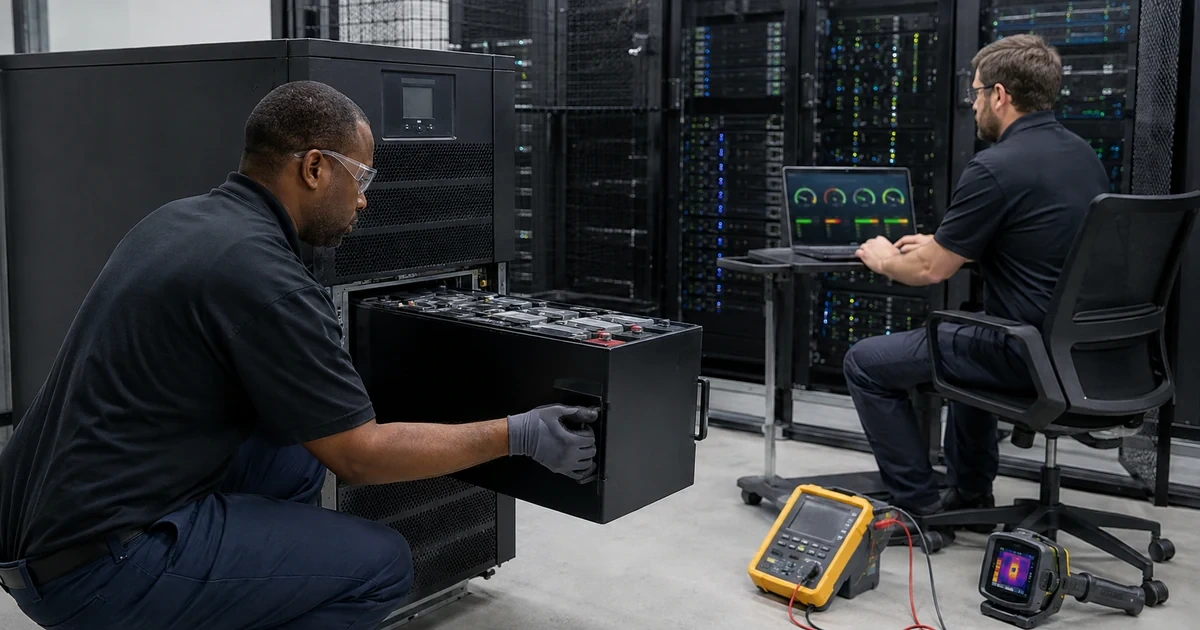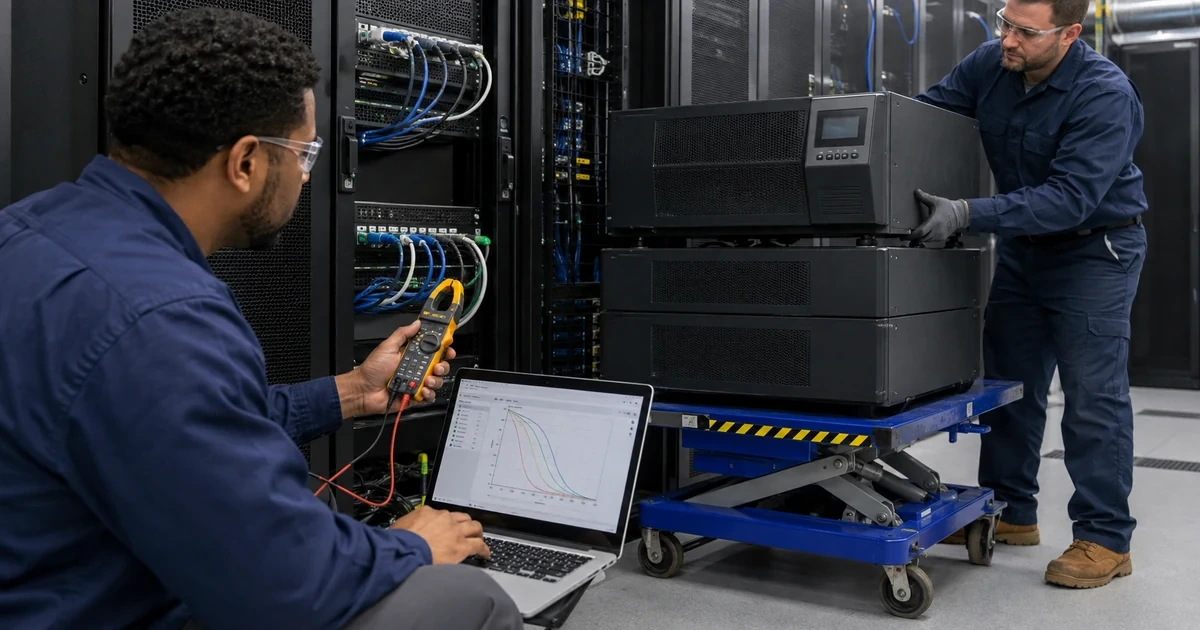
A device health review helps a business replace the right systems before predictable failures while avoiding arbitrary age-only refreshes. It combines inventory accuracy, vendor and operating-system support, warranty, battery and storage health, workload performance, security posture, repair history, employee impact, spare capacity, and upcoming business changes. The result should be a decision for each device, not a generic report that says the fleet is old.
Begin by reconciling what the business owns with what management and security tools can currently see. Then evaluate whether each device is assigned, supported, healthy, protected, suitable for its role, and economical to keep. A computer that appears online may still be unmanaged, unable to receive a supported operating system, missing encryption, attached to the wrong user, or failing under the real workload.
ALLMSP performs device health and refresh reviews with its in-house team for organizations in Lawrenceville, Suwanee, Gwinnett County, Metro Atlanta, and throughout Georgia. We can move directly from assessment into repair, upgrades, procurement, data migration, reassignment, and secure retirement.
Turn fleet evidence into a decision for every business device
- Reconcile assets: Compare physical counts, users, locations, procurement, endpoint management, directory, security, help desk, and finance.
- Check support: Review model, warranty, operating system, firmware, drivers, applications, security tools, and vendor lifecycle.
- Measure health: Inspect battery, storage, memory, thermal behavior, performance, errors, reliability, peripherals, and repair history.
- Confirm protection: Validate management, encryption, recovery keys, updates, endpoint security, compliance, backup, and remote support.
- Assess role fit: Compare current workload, mobility, applications, displays, accessories, accessibility, and employee disruption.
- Choose action: Maintain, remediate, upgrade, repair, reassign, replace, retire, or investigate with owner, deadline, and evidence.
Reconcile ownership, location, support status, management, and security visibility
Export current records from procurement, asset inventory, endpoint management, directory, endpoint security, backup, remote support, help desk, warranty portals, and finance where appropriate. Match serial numbers, asset tags, device IDs, names, users, owners, locations, and statuses. Investigate systems that appear in one source but not another. Examples include purchased devices that never enrolled, old directory objects with no hardware, active security agents on retired names, and physical laptops assigned to former employees.
Physically sample or inspect devices that automated sources cannot confirm. Include remote offices, home users, conference rooms, shared workstations, loaners, spares, field kits, point-of-sale systems, and equipment in repair. Record condition, custody, accessories, and whether the system can check in. Distinguish active, spare, in transit, in repair, lost, held, pending reassignment, and pending retirement. A spare device still needs updates, charging, credentials, storage conditions, and periodic readiness tests.
Review operating-system and vendor support, warranty, firmware and driver availability, management eligibility, security capabilities, application compatibility, and known lifecycle deadlines. Microsoft recommends identifying unsupported platforms during Intune planning because older operating systems and devices can create security risk. Confirm management enrollment, encryption, recovery-key custody, endpoint protection, update status, compliance, firewall, local administrator controls, backup or synchronized data, and remote-support readiness.
- Record match: Reconcile serial, tag, device ID, name, user, owner, department, location, status, purchase, warranty, and finance.
- Physical state: Confirm condition, custody, accessories, repair status, spare readiness, shipping, storage, and ability to check in.
- Support state: Review operating system, model, firmware, drivers, applications, warranty, parts, security features, and lifecycle dates.
- Management state: Verify enrollment, identity, policy, applications, remote actions, inventory freshness, and responsible platform owner.
- Protection state: Check encryption, keys, security agent, firewall, updates, compliance, data protection, backup, and privileged access.
The inventory passes when each device has a current physical and technical state, a responsible owner, and no unexplained conflict between management, security, support, and custody records.
Evaluate health and role fit using observed performance, reliability, and business impact
Collect health evidence appropriate to the platform. Review battery capacity and cycles, storage health and free space, memory pressure, startup and application performance, thermal behavior, crashes, update failures, peripheral reliability, wireless quality, display and port condition, and recurring tickets. Run vendor diagnostics where useful. Do not use one synthetic benchmark as the decision. Observe the employee’s actual applications, browser workload, video meetings, local data, displays, docking, travel, and peak tasks.
Interview the user or manager about delays, failures, workarounds, mobility, battery duration, conferencing, peripherals, and upcoming role changes. Confirm that the problem belongs to the device. Poor performance may originate in a damaged profile, failing application, storage shortage, network, cloud service, browser extension, malware, update, dock, display cable, or an underpowered system. Record reproducible symptoms and evidence before approving a major purchase.
Quantify business impact. Consider lost employee time, customer interruption, safety or operational significance, missed deadlines, support demand, repair frequency, spare usage, data risk, and likelihood of sudden failure. Compare the benefit and remaining life of memory or storage upgrades, battery replacement, warranty repair, operating-system rebuild, or component repair against full replacement. Protect and verify required data before intrusive diagnostics, repair, reset, or migration.
- Hardware health: Review battery, storage, memory, thermal behavior, crashes, errors, ports, display, camera, audio, and wireless.
- Workload evidence: Observe applications, browser use, files, displays, meetings, mobility, peak tasks, and role-specific peripherals.
- Support evidence: Analyze tickets, repeat failures, repair history, warranty cases, loaner use, downtime, and unresolved workarounds.
- Root cause: Distinguish hardware limits from software, profile, network, cloud, security, update, configuration, and accessory problems.
- Business impact: Measure employee delay, customer effect, risk, deadlines, support burden, failure likelihood, and spare dependency.
Health assessment is complete when the team understands the actual cause, role impact, repair or upgrade opportunity, data risk, and expected value of keeping or replacing the device.
Assign a documented action and build an affordable refresh schedule
Choose a specific disposition for every reviewed device. Maintain means the system meets role, support, health, and security requirements. Remediate may involve updates, encryption, management repair, application cleanup, configuration, storage, or training. Upgrade or repair requires a cost, parts, warranty, downtime, data, loaner, and acceptance plan. Reassign requires a suitable new role and controlled reset or rebuild. Replace requires configuration, budget, timing, migration, and return. Retire requires recovery, access cleanup, sanitization, and disposition evidence.
Prioritize replacement waves by unsupported status, security limitation, failure probability, business impact, role criticality, health, repair history, warranty, parts, user disruption, and upcoming projects. Balance urgent systems with predictable annual budgeting. Use approved profiles and supplier lead times to estimate cost. Account for staging, accessories, licenses, migration, temporary equipment, training, and retirement. Keep enough tested spare capacity for critical roles, but do not let the spare pool become a collection of unsupported systems.
Track completion and validate results. For repairs, retest the original symptom and representative work. For replacements, confirm applications, access, files, peripherals, security, backup, management, and user acceptance before the old device is erased. For retirement, verify management and identity cleanup plus sanitization and disposition. Report counts and cost by action, unsupported devices, overdue items, warranty opportunities, spare readiness, exceptions, residual risk, and the next review date.
- Maintain: Record that support, health, protection, role fit, ownership, and next review meet the approved standard.
- Remediate: Define configuration, security, software, upgrade, repair, training, data, owner, deadline, and retest.
- Reassign: Select a suitable role, protect data, reset or rebuild, update records, test configuration, and transfer custody.
- Replace: Approve standard, budget, project date, accessories, migration, temporary coverage, user test, and old-device return.
- Retire: Recover the asset, remove access and records, sanitize data, document custody and disposition, and close inventory.
The review creates value when each device has an approved action, owner, deadline, budget path, validation step, and visible residual risk rather than an age score alone.
Business computer health, repair, refresh, and retirement reviews from ALLMSP
ALLMSP can reconcile device inventories, inspect hardware and software health, review support and warranty, validate endpoint security, diagnose recurring issues, compare repair and replacement, build refresh budgets, procure equipment, migrate users, and retire systems securely with our in-house team.
The result is a device-level action plan and a fleet-level view of upcoming cost, support risk, warranty opportunities, spare readiness, exceptions, and business impact. We can then complete the approved work and verify each outcome.
- Review: Reconcile assets and assess support, health, protection, role fit, repair history, and business impact.
- Decide: Choose maintain, remediate, upgrade, repair, reassign, replace, retire, or investigate with evidence.
- Deliver: Complete repairs and deployments, verify user workflows, retire old devices, and maintain the refresh record.
Official device health and retirement references
Use platform inventories and security standards as evidence, then make each device decision from the organization’s real workload, risk, support needs, and financial context.
- Microsoft Intune device details. Describes device, hardware, application, compliance, configuration, and recovery information available in inventory.
- Microsoft Intune planning guide. Covers inventory, platforms, ownership, unsupported systems, costs, rollout, communication, and support.
- Microsoft Intune device actions. Explains remote actions such as restart, retire, wipe, delete, lock, and reset across platforms.
- NIST media sanitization guidance. Provides program guidance for appropriate sanitization, assurance, validation, and disposal.
- CISA Cybersecurity Performance Goals. Provides prioritized security outcomes including current asset visibility and risk reduction.
Device health and refresh review FAQs
What does a business device health review include?
It includes ownership, location, inventory, support, warranty, operating system, hardware health, workload performance, security, management, backup, tickets, repairs, role fit, business impact, and a documented action.
Why should physical inventory be compared with management tools?
Each source can be incomplete. Reconciliation finds untracked purchases, inactive records, unmanaged hardware, devices assigned to former users, missing spares, duplicate names, and systems that stopped checking in.
Which hardware health indicators matter most?
Review battery capacity, storage health and space, memory pressure, temperature, crashes, startup and application performance, wireless, ports, display, camera, audio, physical condition, and recurring errors.
How can a business tell whether slowness is hardware related?
Reproduce the workload and compare hardware utilization with software, profile, network, cloud, browser, update, security, storage, malware, dock, and peripheral evidence before selecting a remedy.
Should every device be replaced at the same age?
No. Use support status, role, security, health, reliability, workload, repair history, warranty, employee impact, parts, total cost, and business timing while maintaining predictable budget waves.
What makes an older device unsuitable as a spare?
Unsupported software, unreliable battery or storage, missing security features, poor management, incompatible applications, long setup time, unknown data, and inability to support the target role can make a spare risky.
What should be tested after a computer repair?
Retest the original symptom, hardware diagnostics, startup, updates, security, applications, connectivity, peripherals, data, backup, representative work, and user acceptance, then update repair and warranty records.
What should happen to the old device after replacement?
Recover custody, confirm migration and retention, remove company access and management appropriately, choose reassignment or retirement, sanitize data when required, document disposition, and close inventory records.
Can ALLMSP perform the review and complete the work in house?
Yes. ALLMSP can audit devices, diagnose health, repair systems, source replacements, stage and migrate users, manage inventory, sanitize data, and document retirement with its in-house team.
Where does ALLMSP provide computer health and refresh reviews?
ALLMSP serves organizations in Lawrenceville, Suwanee, Gwinnett County, Metro Atlanta, and across Georgia according to fleet size, platforms, sites, and support requirements.