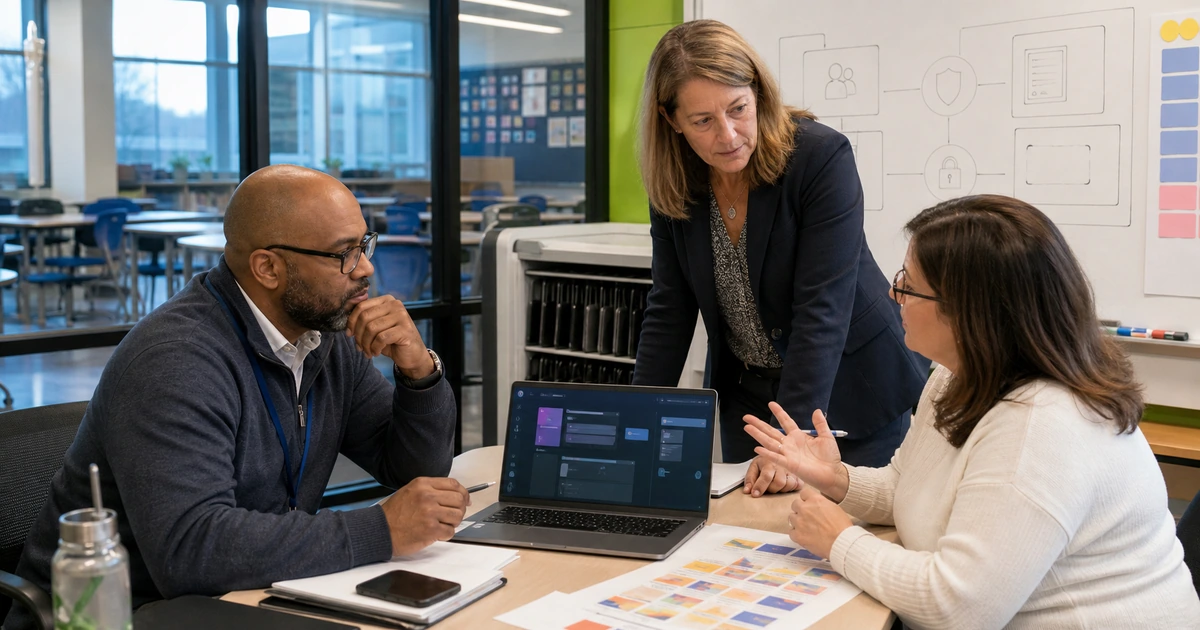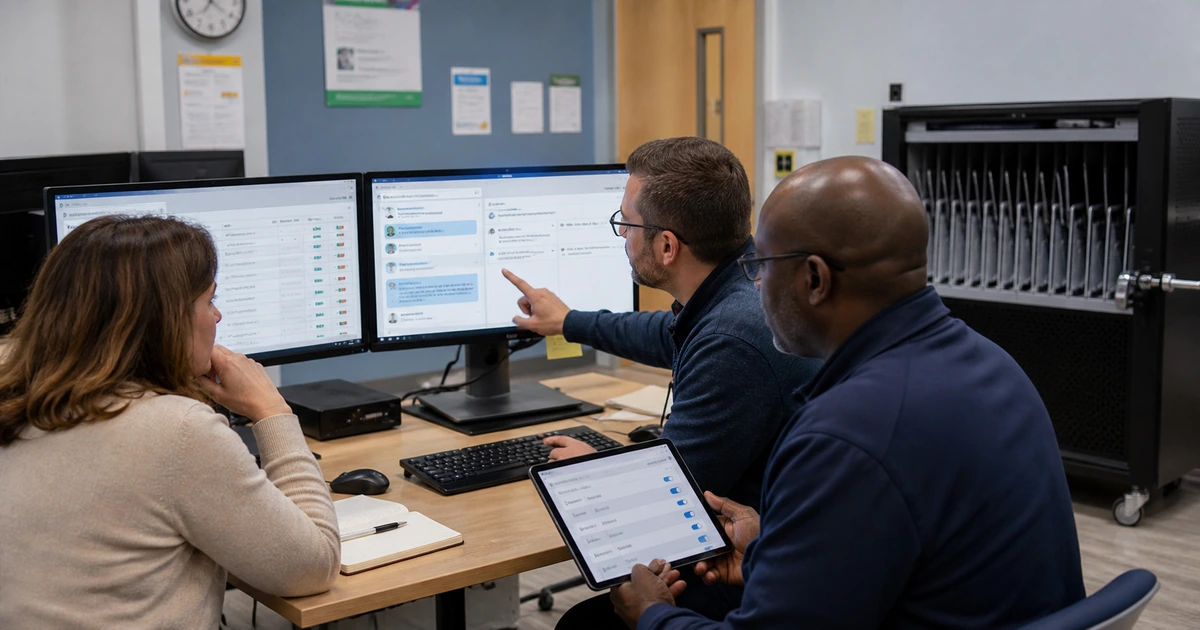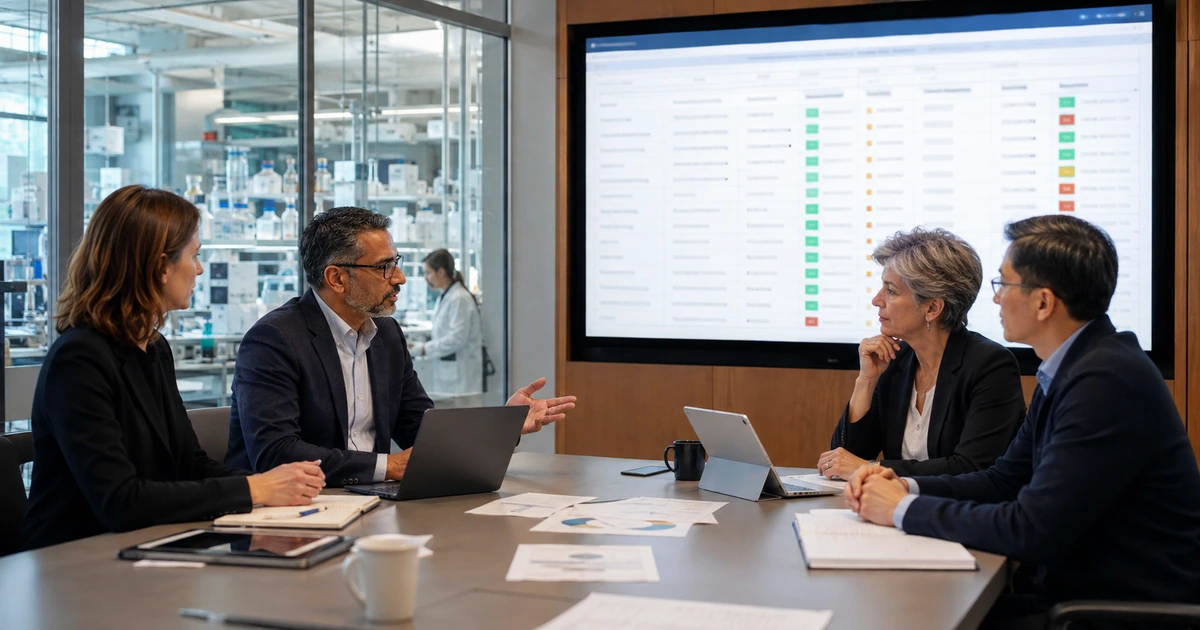
Research AI governance must connect scientific integrity with technology operation. Laboratories and research organizations may use generative assistants, embedded software features, predictive models, custom code, cloud services, instrument analytics, and external datasets. Each use can affect provenance, confidentiality, participant or customer obligations, intellectual property, grant commitments, reproducibility, publication claims, and collaboration.
An effective program does not place every experiment behind the same approval process. It creates minimum controls for all AI use and applies deeper review according to consequence, data sensitivity, research stage, external communication, automation, and the ability to reproduce or reverse a result. It also gives researchers a fast way to request approved tools and document experimental use without hiding work in personal accounts.
ALLMSP helps research and engineering organizations in Lawrenceville, Suwanee, Gwinnett County, Metro Atlanta, and throughout Georgia build and operate AI governance. Our in-house team can inventory tools and models, secure data and identities, review platforms, configure infrastructure, design approvals, test workflows, document evidence, train users, monitor systems, and support ongoing research operations.
A research AI governance system that preserves evidence and accountability
- Inventory systems and uses: Record assistants, embedded features, custom models, notebooks, APIs, automation, datasets, providers, instruments, collaborators, users, and research dependencies.
- Classify purpose and consequence: Distinguish exploration, analysis, operational assistance, participant or customer effect, automated action, public claim, and high-impact scientific decisions.
- Protect data and rights: Apply consent, agreements, grant terms, confidentiality, privacy, intellectual property, licenses, sharing plans, access, retention, and provider controls.
- Preserve provenance and reproducibility: Version data, code, prompts, models, retrieval sources, environments, transformations, output, review, and publication evidence.
- Assign multidisciplinary ownership: Name scientific, data, technical, security, integrity, program, collaboration, support, and executive responsibilities for material uses.
- Monitor the lifecycle: Review performance, incidents, provider changes, access, drift, costs, publications, grant commitments, and the decision to continue or retire a system.
Create a research AI register and risk-based approval path
Discover current use through researcher interviews, managed application inventories, identity records, cloud projects, source repositories, notebooks, API keys, expense data, browser extensions, instrument software, shared files, and provider settings. Separate an idea, local experiment, shared research tool, operational workflow, and externally released system. The organization needs enough visibility to support innovation without treating an unreviewed prototype as production evidence.
For each material use, record the research purpose, system, model, version, owner, users, input data, source rights, connected resources, output, human interpretation, risk tier, tests, known limits, sharing, publication effect, cost, incident route, and next review. A short current register is more useful than a complicated inventory no one maintains. Link detailed protocols and repositories rather than copying every technical artifact into the governance record.
- Exploratory use: Allow bounded experimentation with approved accounts and data, clear labeling, protected environments, and no unsupported external claim or operational dependency.
- Research analysis: Require provenance, representative evaluation, reproducibility, uncertainty, method documentation, source rights, and qualified scientific review.
- Operational workflow: Add managed identity, integration testing, monitoring, support, fallback, incident handling, change control, and accountable service ownership.
- External or high consequence: Use stronger review where output affects participants, customers, safety, regulated work, intellectual property, funding, publication, or difficult-to-reverse decisions.
- Unapproved use: Contain tools, data transfers, personal accounts, models, or automations that lack known ownership, rights, safeguards, validation, support, or a legitimate purpose.
Risk tiers allow low-consequence exploration to move while reserving deeper evidence and leadership decisions for uses that can change research integrity, obligations, or real-world outcomes.
Align data, grants, collaborators, and publication with AI controls
Map each use to the commitments that govern its information and output. These may include participant consent, data management and sharing plans, award terms, institutional policy, sponsor agreements, nondisclosure obligations, export or location restrictions, intellectual property, software and dataset licenses, repository requirements, publication policy, and collaborator agreements. An AI provider’s default terms do not override those responsibilities.
Establish collaboration controls that preserve scientific context and ownership. Use project-specific access, managed external identities, approved transfer methods, shared versioning, clear source citations, review responsibilities, expiration dates, and complete departure cleanup. Decide how AI assistance will be disclosed or documented in methods, analysis, code, figures, writing, peer review, or public communication based on the applicable research and publication expectations.
- Data stewardship: Document source, purpose, consent or right, sensitivity, access, transformation, retention, sharing, repository, deletion, and future-use conditions.
- Grant alignment: Connect AI work to the approved aims, budget, data plan, reporting, milestones, responsible conduct, security, sharing, and change requirements.
- Collaborator access: Use named identities, least privilege, project boundaries, controlled exports, activity evidence, review dates, and verified removal across every connected system.
- Intellectual property: Review ownership of data, code, models, prompts, outputs, inventions, confidential material, provider training rights, and reuse before submission or release.
- Publication evidence: Retain versions, source support, analysis steps, model details, limitations, human decisions, figure provenance, and disclosures needed to evaluate the work.
- Public communication: Verify claims against current results, represent uncertainty, avoid unsupported capability statements, and assign accountable scientific approval.
Governance protects credibility when it makes the relationship between AI activity and existing scientific, sponsor, collaborator, and publication commitments explicit.
Operate monitoring, incidents, change control, and retirement
Monitor the conditions that support validity and security. Track data quality, source availability, input distribution, model performance, uncertainty, corrections, access exceptions, provider changes, software dependencies, compute, cost, user behavior, integration failures, and scientific outcomes. Maintain reference tests that can be rerun after meaningful change. Researchers should have a direct way to report surprising output or suspected integrity, privacy, security, or reproducibility problems.
Prepare an incident process appropriate to the use. Events can include unauthorized disclosure, lost credentials, malicious input, unreliable output, fabricated citations, corrupted data, hidden automation, unavailable evidence, uncontrolled provider changes, public errors, or results that cannot be reproduced. Preserve records, contain the affected workflow, assess research and stakeholder impact, notify authorized leaders, correct the system, rerun relevant tests, and document the decision to resume or retire it.
- Access review: Reconcile users, service accounts, tokens, cloud roles, repositories, instrument systems, datasets, shared links, provider administrators, and collaborator expiration.
- Performance review: Compare current quality, uncertainty, condition and subgroup results, corrections, workload, cost, and scientific outcome with approved criteria.
- Change triggers: Review new models, data, labels, instruments, protocols, code, dependencies, prompts, retrieval collections, providers, grants, collaborators, and intended uses.
- Incident evidence: Capture timeline, versions, access, affected data and results, containment, communications, recovery, corrective action, retesting, and accountable decisions.
- Portfolio decision: For each material system, choose to expand, improve, restrict, replace, preserve only for reproducibility, or retire it based on current evidence.
- Safe retirement: Disable jobs and access, revoke secrets, preserve required records and environments, export data, notify users, remove dependencies, and confirm an approved alternative.
Lifecycle governance keeps scientific and technical control current as research questions, data, people, systems, providers, and external obligations evolve.
Research AI governance and technical controls from ALLMSP
ALLMSP can create the AI inventory, risk tiers, policies, data and provider controls, managed identities, test standards, monitoring, incident routes, and governance evidence for a research organization. We can implement the underlying storage, cloud, networks, endpoints, collaboration, security, backup, automation, model environments, and support processes that make those decisions real.
Laboratories and research organizations in Lawrenceville, Suwanee, Gwinnett County, Metro Atlanta, and across Georgia can use ALLMSP for a governance baseline, a grant or program-specific implementation, or ongoing oversight. One in-house team connects policy, scientific infrastructure, cybersecurity, user support, and continuous AI improvement.
- Governance baseline: Use and system inventory, data and rights review, risk tiers, ownership, provider exposure, reproducibility gaps, urgent controls, and roadmap.
- Implementation: Managed platforms, identity, permissions, cloud and storage, policy, intake, testing, documentation, collaboration, monitoring, training, and incident response.
- Ongoing stewardship: Access review, model and provider changes, quality checks, user support, revalidation, grant and collaboration updates, reporting, and retirement.
Primary resources for research AI governance
Use research policy and AI risk resources to structure controls, then apply them to the institution’s methods, data, people, grants, collaborators, and public evidence.
- ALLMSP AI Governance and Security. AI policy, approved tools, data control, testing, monitoring, security, and ongoing oversight.
Research AI governance FAQs
What belongs in a research AI inventory?
Include assistants, embedded features, custom models, APIs, notebooks, automation, datasets, providers, instruments, cloud projects, source repositories, users, collaborators, purpose, ownership, rights, tests, dependencies, and operating status.
Should exploratory AI research require full production controls?
Use proportional controls. Exploration still needs approved accounts, data boundaries, source rights, protected environments, labeling, and no unsupported external use. Deeper testing, monitoring, support, and approval apply before operational or high-consequence use.
How should AI work be connected to a grant?
Review approved aims, budget, data management and sharing, participant or customer commitments, security, reporting, milestones, collaboration, responsible conduct, publication, and any process required for material changes.
What should researchers document about generative AI use?
Retain the tool and model, version when available, purpose, prompt or instruction, source material, output used, human verification, corrections, limitations, date, account context, and disclosure required by the institution, sponsor, or publisher.
How can research organizations control collaborator access?
Use managed external identities, project roles, least privilege, approved data transfer, shared versioning, logging, expiration, periodic review, and verified removal from repositories, cloud resources, instruments, files, tokens, and groups.
What AI changes should trigger another review?
Review changes to the model, provider, data, labels, instrument, protocol, code, dependencies, prompt, retrieval source, permissions, collaborators, grant, publication expectation, population, environment, or intended use.
How should AI-generated scientific claims be reviewed?
Trace important statements to current source evidence, verify calculations and citations, preserve uncertainty and limitations, check figures and methods, require qualified scientific approval, and avoid presenting model output as evidence by itself.
What is a research AI incident?
Examples include unauthorized disclosure, compromised access, fabricated citations, corrupted data, unreliable high-consequence output, hidden automation, malicious input, provider changes, public errors, or a result that cannot be reproduced.
Can ALLMSP operate research AI governance in house?
Yes. ALLMSP handles inventory, policy, identity, security, cloud, storage, data controls, providers, integrations, testing, documentation, monitoring, incident support, training, and ongoing technical stewardship in house.
Where does ALLMSP provide research AI governance services?
ALLMSP serves science, laboratory, and engineering organizations in Lawrenceville, Suwanee, Gwinnett County, Metro Atlanta, and across Georgia with local and remote support.
Sources
- NIH Artificial Intelligence in Research guidance. Policy considerations spanning participant protection, data, integrity, peer review, security, and sharing. ↩
- NIH Data Management and Sharing policy resources. Official statements and notices for scientific data management and sharing. ↩
- NIST AI RMF Core. Governance, context, measurement, and risk-management outcomes across the AI lifecycle. ↩