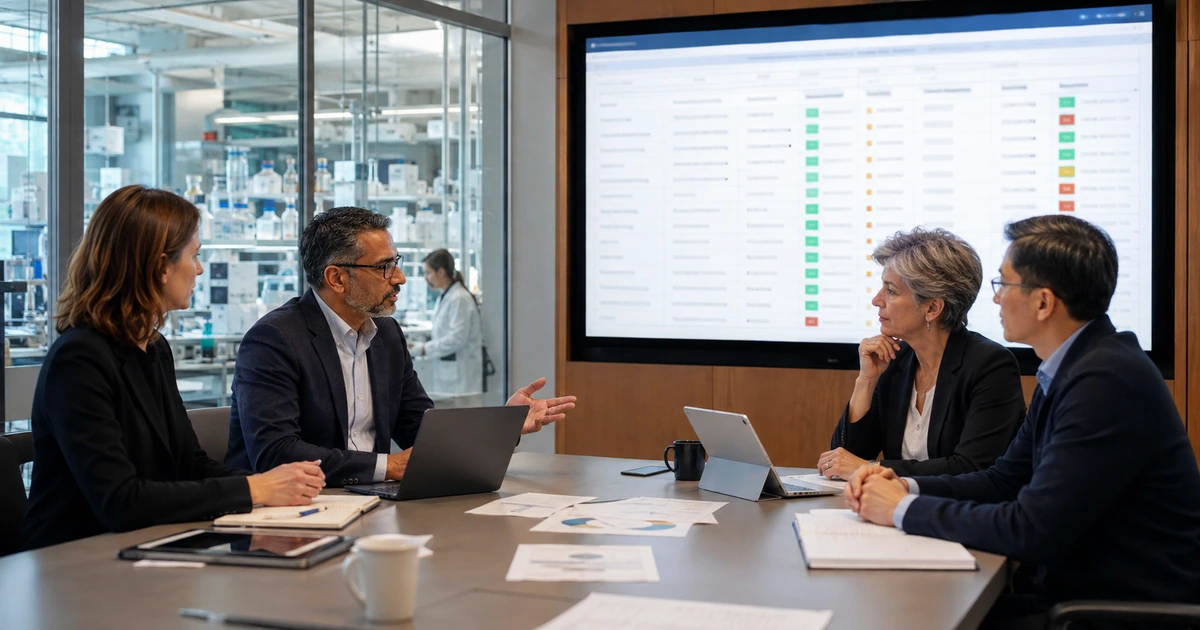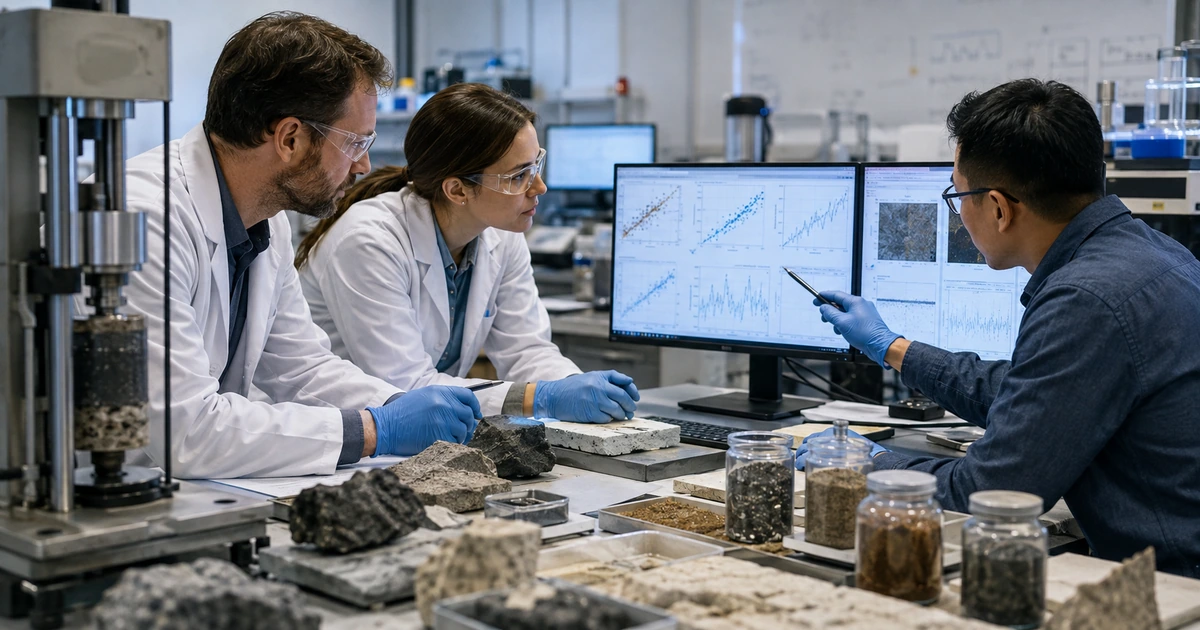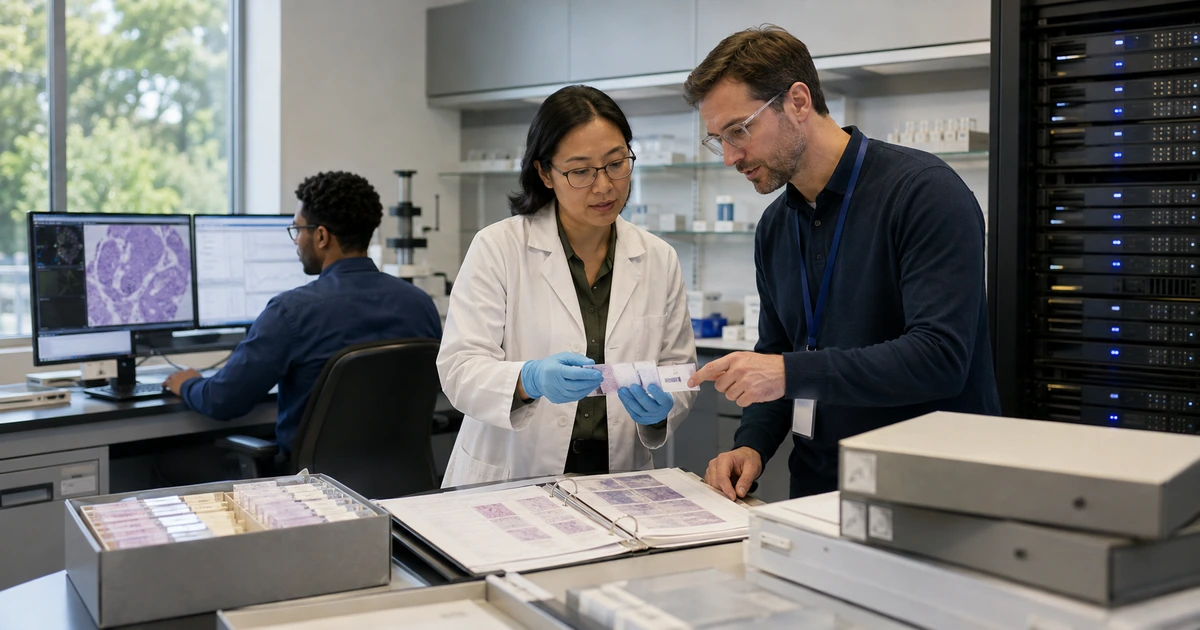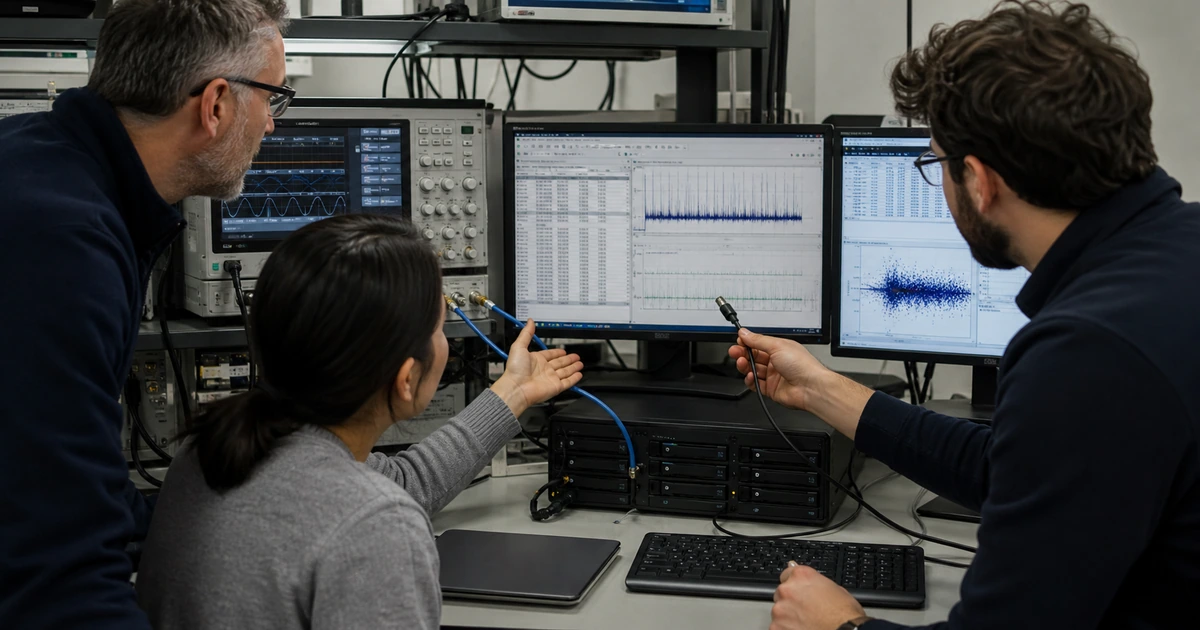
A research workflow can appear to complete while losing time, context, or confidence at every handoff. Data may sit on acquisition computers until someone copies it. Filenames may change between teams. Storage may be fast for large files but slow for millions of small objects. Analysis may depend on one person’s workstation. Collaborators may receive a copy without its metadata. These conditions create delays and can make later findings difficult to reproduce.
Optimization begins with a representative experiment and a measured timeline from acquisition through use. The review should capture data volume, file count, transfer rate, queue time, integrity verification, metadata completeness, processing duration, compute utilization, manual effort, failure, retry, and scientific impact. The goal is not simply faster infrastructure. It is a dependable workflow that preserves evidence while reducing waiting and repeated work.
ALLMSP improves research data workflows through its in-house technology team for organizations in Lawrenceville, Suwanee, Gwinnett County, Metro Atlanta, and across Georgia. We diagnose instruments, networks, storage, compute, software, scripts, permissions, and support handoffs as one operating path.
Find the constraint that affects scientific work, not just the busiest graph
- Choose representative runs: Include ordinary, peak, long-running, many-file, large-file, failed, collaborative, archived, and recovery cases.
- Build a timeline: Measure acquisition, local wait, transfer, verification, staging, processing, queue, analysis, review, sharing, and rework.
- Validate data context: Check identifiers, filenames, metadata, calibration, parameters, checksums, versions, provenance, and authoritative state.
- Measure each resource: Compare controller, network, protocol, storage, metadata service, compute, memory, graphics, database, and application behavior.
- Correct the workflow: Remove manual copies, repair standards, tune infrastructure, automate verification, document exceptions, and preserve rollback.
- Prove improvement: Repeat the same workload, compare timing and integrity, monitor the next cohort, and confirm reduced researcher effort.
Trace representative datasets through transfer, storage, processing, and review
Select experiments that reflect the real workload, including common runs, peak volume, many small files, very large files, long acquisition, concurrent instruments, remote collaborators, sensitive data, failed transfers, reprocessing, archive retrieval, and restore. Record the instrument, controller, project, operator, start, file creation pattern, local capacity, transfer trigger, protocol, network path, destination, verification, processing stage, compute queue, analysis environment, reviewer, sharing, and final preservation. Preserve exact timestamps from relevant systems with synchronized clocks.
Measure waiting separately from active processing. A transfer may move quickly once started but sit on a local disk for days. A compute job may run efficiently after a long queue. A researcher may spend hours renaming files or discovering which copy is authoritative. Capture data volume, file count, throughput, latency, retries, errors, queue time, processing time, manual touches, duplicate copies, storage growth, and rework. Interview users about workarounds because scripts, portable drives, personal cloud folders, and local caches may not appear in central monitoring.
Check the scientific context at every stage. Compare sample or project identifiers, acquisition settings, timestamps, calibration, instrument configuration, filenames, checksums, metadata fields, processing parameters, software versions, code commit, environment, quality flags, output, and review notes. Identify transformations that overwrite source files, break identifiers, remove metadata, change units, or produce undocumented copies. Determine which record is authoritative and who may approve correction.
- Run sample: Include ordinary, peak, concurrent, long, many-file, large-file, failed, collaborative, archived, reprocessed, and restored workflows.
- Handoff timeline: Record creation, wait, trigger, transfer, verification, staging, queue, processing, analysis, review, sharing, and preservation.
- Performance measure: Capture bytes, files, throughput, latency, errors, retries, queue, CPU, memory, graphics, disk, database, and manual effort.
- Context check: Compare identifiers, metadata, calibration, settings, units, versions, parameters, code, quality, provenance, and authority.
- Workaround inventory: Find portable media, personal storage, manual rename, duplicate exports, local scripts, screenshots, and untracked copies.
A measured dataset journey exposes whether the real bottleneck is transfer speed, queueing, metadata, manual effort, storage behavior, analysis design, or uncertain ownership.
Diagnose controller, network, storage, compute, application, and permission constraints
Examine acquisition systems first. Check local disk capacity and health, write rate, file-system behavior, antivirus or backup interference, power, temperature, time, network interface, cabling, switch errors, driver and software versions, licensing, vendor restrictions, and scheduled tasks. Capture evidence before restarting. If acquisition cannot pause safely, plan observation and change windows with laboratory staff. Avoid applying ordinary workstation tuning to vendor-controlled systems without understanding validation, warranty, and scientific impact.
Test the complete network and storage path using representative data and file counts. Measure client, protocol, path, switch, firewall, wireless if used, server, storage tier, metadata operations, concurrent load, quotas, snapshots, and background jobs. A bandwidth test alone may not represent application behavior. Review permissions and file locking, naming collisions, path length, special characters, case sensitivity, mounted-drive reliability, cloud synchronization, and offline copies. Match performance to the application and research acceptance criteria.
Profile processing and analysis. Record queue policy, requested and actual CPU, memory, graphics, storage, runtime, temporary data, failed jobs, retry, dependency loading, license availability, container or environment startup, database calls, and output writing. Identify serial steps, redundant conversion, repeated download, unnecessary copies, oversized requests, missing indexes, inefficient code, and jobs running on personal workstations. Compare a known dataset before and after changes to ensure speed did not alter the result or quality review.
- Controller check: Review storage, write load, health, security interference, power, time, interface, versions, tasks, licensing, and vendor limits.
- Path test: Measure client, protocol, network, firewall, storage, metadata, concurrency, background work, errors, and representative file behavior.
- Namespace check: Validate permissions, locking, naming, collisions, path length, characters, mounts, sync, offline copies, and authoritative location.
- Compute profile: Track queue, requested resources, actual use, runtime, dependencies, licenses, temporary data, failure, retry, and output.
- Result comparison: Use a known dataset to compare completeness, integrity, parameters, quality, output, timing, and reviewer acceptance.
The best correction removes a verified constraint while preserving instrument stability, data integrity, analysis meaning, and the ability to reproduce the result.
Standardize handoffs, automate integrity checks, monitor outcomes, and prevent recurrence
Define a data contract for each important handoff. Specify source, destination, responsible owner, project and sample identifiers, naming, format, required metadata, units, trigger, protocol, transfer state, temporary file behavior, integrity method, retry, duplicate handling, completion signal, retention, error quarantine, and escalation. Automate stable steps while keeping observable status and a manual recovery path. Never let a failed copy look identical to a complete dataset.
Monitor scientific service outcomes. Track acquisition capacity, transfer age, backlog, failed files, checksum or validation differences, metadata completeness, storage growth, quota, latency, compute queues, failed jobs, license use, collaboration access, backup status, and support incidents. Set thresholds based on workflow impact. An alert should identify project or instrument, affected stage, severity, evidence, safe action, owner, and escalation. Review alerts that researchers ignore until the signal becomes trustworthy.
Manage changes and recurring problems. Record reason, affected instruments and projects, risk, maintenance window, configuration backup, dataset for validation, expected result, rollback, communication, and approval. Group incidents by confirmed cause rather than symptom. Assign permanent work for capacity, cabling, unsupported controllers, storage design, code, metadata, role confusion, training, vendor limitations, or manual handoffs. Document baseline and post-change evidence, then review whether waiting, failures, duplicate copies, and researcher effort remain lower over time.
- Data contract: Define identifiers, names, formats, metadata, units, trigger, transfer state, integrity, retry, completion, retention, and owner.
- Failure quarantine: Separate incomplete or uncertain data, preserve source evidence, alert owners, prevent downstream use, and document resolution.
- Outcome monitoring: Track acquisition, transfer age, backlog, integrity, metadata, capacity, queues, jobs, licenses, backup, and support impact.
- Controlled change: Require evidence, scope, risk, schedule, backup, validation dataset, acceptance, rollback, communication, and review.
- Problem record: Capture pattern, scientific impact, confirmed cause, owner, permanent correction, test, result, recurrence, and next action.
Reliable handoffs make completion visible, keep uncertain data out of downstream analysis, and turn repeated failures into owned engineering work.
Research data workflow optimization from ALLMSP
ALLMSP can trace datasets, profile instruments and controllers, test networks and storage, analyze compute and applications, repair naming and metadata handoffs, automate integrity checks, improve monitoring, manage changes, and verify scientific results. Our in-house team implements the corrections and supports the resulting environment.
We help research and engineering organizations in Lawrenceville, Suwanee, Gwinnett County, Metro Atlanta, and across Georgia reduce delays, failed transfers, duplicate work, and fragile analysis dependencies.
- Measure: Trace representative data through acquisition, transfer, storage, compute, analysis, sharing, and preservation.
- Correct: Remove verified bottlenecks, repair data contracts, tune systems, automate checks, and replace unsafe workarounds.
- Sustain: Monitor outcomes, manage changes, resolve recurring causes, test backups, plan capacity, and maintain documentation.
Official research data management references
Use sponsor, institutional, contractual, ethical, privacy, safety, and discipline-specific requirements with current vendor and platform documentation.
- NIST Research Data Framework. Supports lifecycle-based assessment and planning for research data management, costs, risks, sharing, and preservation.
- NIST RDaF Version 2.0. Provides detailed topics, definitions, references, overarching themes, and sample role profiles.
- NIH Data Management and Sharing resources. Offers guidance on planning, budgeting, repositories, privacy, data management, and responsible sharing for applicable research.
- CISA Cybersecurity Performance Goals. Prioritizes practical governance, asset, access, protection, detection, response, and recovery actions.
Research data workflow optimization FAQs
How should a laboratory find its real data bottleneck?
Trace representative datasets and measure waiting, transfer, verification, storage, queue, processing, analysis, sharing, manual effort, failures, and scientific impact at each stage.
Why can a network speed test miss the problem?
Application behavior also depends on file count, metadata operations, protocol, permissions, locking, storage load, retries, latency, controller limits, and concurrent work.
What is a research data handoff contract?
It defines source, destination, identifiers, naming, format, metadata, units, trigger, transfer state, integrity, retries, completion, retention, ownership, and errors.
How can incomplete transfers be prevented from entering analysis?
Use temporary states, completion markers, expected counts, checksums or suitable validation, quarantines, alerts, downstream gates, and documented recovery.
Should instrument acquisition computers run ordinary backup and security scans?
Evaluate vendor support, scientific timing, performance, validation, and safety. Test approved controls during planned windows and use compensating network and monitoring protections when needed.
What should be monitored in a research data pipeline?
Monitor local capacity, transfer age, backlog, failures, integrity, metadata, storage, quotas, latency, compute queues, jobs, licenses, collaboration, backups, and incidents.
How should analysis improvements be validated?
Run a known representative dataset and compare source, parameters, environment, completeness, integrity, quality checks, output, timing, and independent reviewer acceptance.
Why do manual data copies create risk?
They can lose metadata, create uncertain authoritative versions, bypass access and backup controls, introduce naming errors, hide failure, and make provenance difficult to reconstruct.
Can ALLMSP optimize proprietary instrument workflows?
Yes. ALLMSP works within vendor and laboratory constraints to improve controllers, networks, storage, transfers, monitoring, backup, compute, documentation, and support in house.
Where does ALLMSP optimize scientific technology?
ALLMSP supports Lawrenceville, Suwanee, Gwinnett County, Metro Atlanta, and science-driven organizations throughout Georgia.