A useful IT roadmap explains which business outcomes technology must support, what is preventing those outcomes today, what should change next, who owns each decision, and how the organization will know the investment worked. It is not a list of products or a calendar filled with every idea the IT team has collected. The roadmap should help leadership choose among security, reliability, growth, employee productivity, customer experience, data, artificial intelligence, compliance, and cost priorities with visible tradeoffs.
A 12-to-24-month horizon is long enough to plan renewals, lifecycle replacements, migrations, security improvements, process automation, hiring, and budget cycles, yet short enough to revisit as business conditions change. Each initiative should have a business sponsor, technical owner, reason, scope, dependencies, cost range, operating impact, risk, target period, prerequisite, completion criteria, and measurable benefit. Items beyond the horizon can remain in a longer-range outlook without pretending that dates are already known.
ALLMSP develops and executes technology roadmaps in house for organizations in Lawrenceville, Suwanee, Gwinnett County, Metro Atlanta, and across Georgia. We can assess the current environment, identify priorities, design projects, source products, implement changes, document operations, train users, and provide continuing support, allowing planning and delivery to stay connected.
Turn business priorities into sequenced technology decisions
- Set outcomes: Define growth, service, productivity, security, resilience, customer, data, AI, compliance, and financial goals.
- Build the baseline: Inventory services, applications, data, devices, infrastructure, vendors, contracts, support, incidents, and costs.
- Identify gaps: Compare current capability with required outcomes, risk tolerance, lifecycle, capacity, user experience, and operating needs.
- Design initiatives: Give each item a sponsor, owner, scope, dependencies, options, cost range, timing, risks, and success measures.
- Sequence the work: Place prerequisites, renewals, hiring, busy periods, change capacity, vendor lead time, and adoption in the right order.
- Govern monthly: Review evidence, progress, changes, budget, risks, decisions, benefits, support readiness, and the next planning window.
Start with business outcomes and a dependable current-state baseline
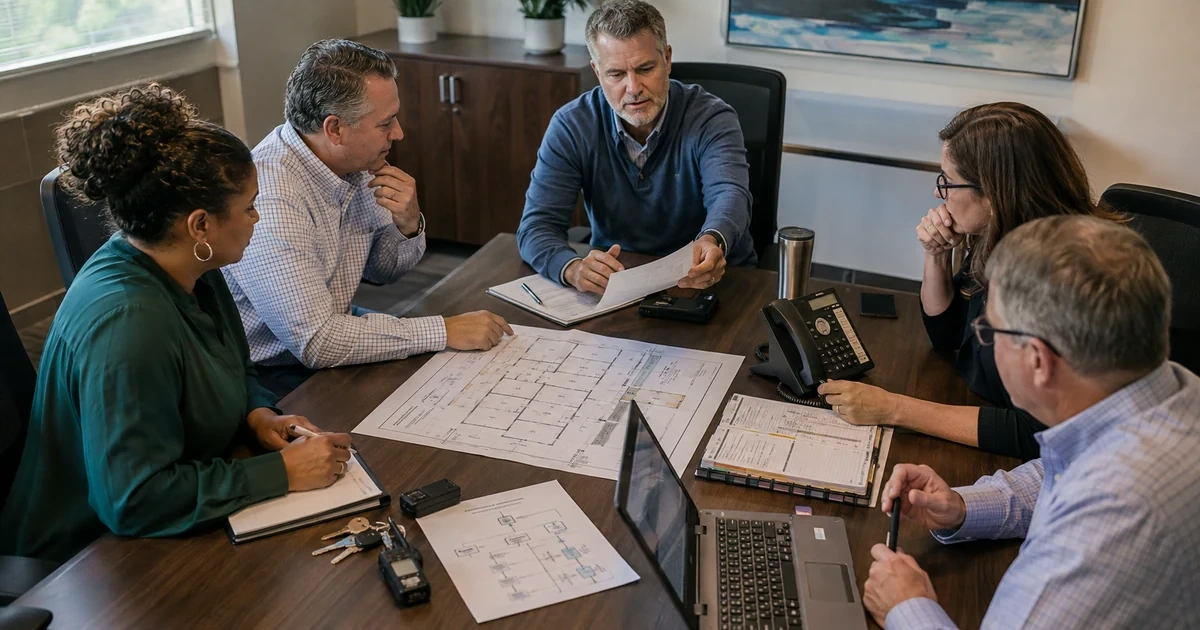
Interview leaders and representative employees about the work the organization must perform over the next two years. Ask about revenue plans, locations, hiring, acquisitions, customer commitments, service delivery, production, remote work, compliance, insurance, data needs, AI opportunities, major deadlines, and known operational pain. Convert each goal into a capability statement. For example, a second office may require secure identity, standardized devices, network connectivity, phones, collaboration, support coverage, and recoverable data before its opening date.
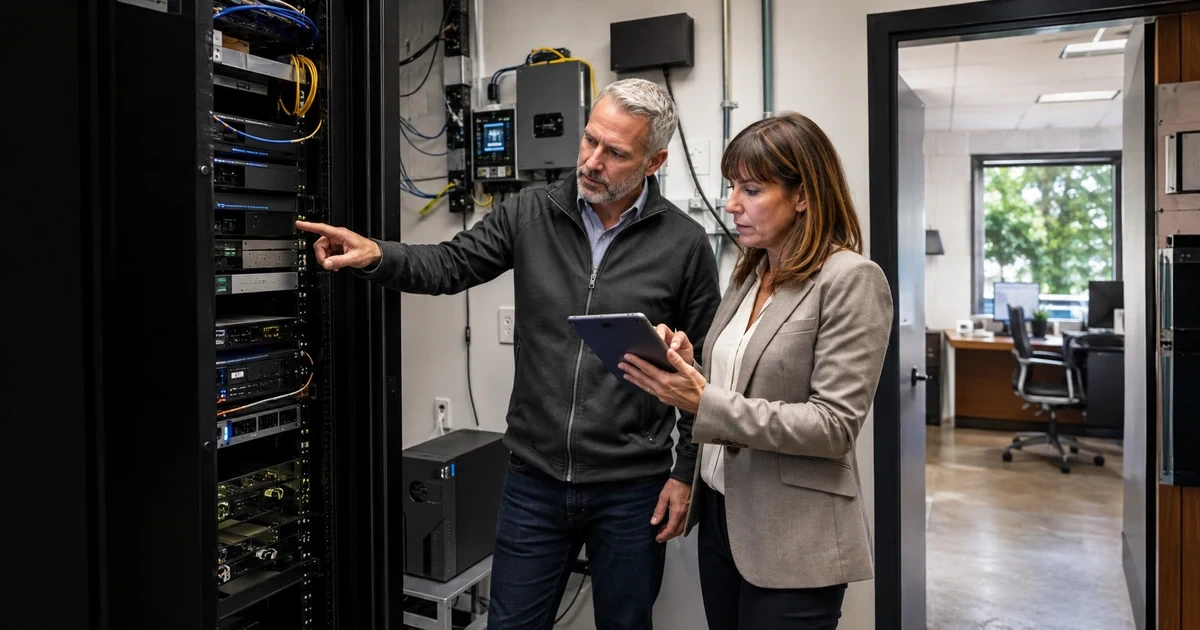
Build an inventory at the business-service level, then connect technical components. Record applications, data, integrations, accounts, subscriptions, endpoints, servers, networks, internet, wireless, cloud services, backup, security tools, phone systems, vendors, contracts, licenses, warranties, renewal dates, owners, support arrangements, incidents, and costs. Mark systems that are unsupported, poorly documented, unowned, unreliable, difficult to recover, duplicated, underused, or dependent on one person or supplier.
Establish a measurable baseline. Use ticket trends, outage history, restore tests, security findings, vulnerability data, renewal calendars, device age and health, utilization, cloud cost, employee feedback, process time, manual effort, customer experience, and project history. Separate evidence from assumptions and confidence levels. The NIST Cybersecurity Framework 2.0 can help organizations describe current and target cybersecurity outcomes across Govern, Identify, Protect, Detect, Respond, and Recover while connecting security decisions to business risk.
- Business outcome: State the result, sponsor, users, customer effect, deadline, constraint, measure, and consequence of delay.
- Service map: Connect each critical workflow to applications, data, identity, devices, networks, vendors, support, and recovery.
- Lifecycle record: Track support dates, warranties, renewals, capacity, condition, dependencies, replacement windows, and exit requirements.
- Risk evidence: Record threat, vulnerability, business impact, likelihood, current safeguards, residual exposure, and accountable owner.
- Experience evidence: Use incidents, delays, manual work, complaints, errors, training needs, and employee workflow observations.
The roadmap becomes credible when every proposed initiative can be traced to a business outcome, current-state fact, material risk, lifecycle event, or measured operating problem.
Turn gaps into owned initiatives with scope, options, cost, and success criteria
Write a one-page charter for each candidate initiative. Include the problem or opportunity, business sponsor, technical owner, affected services, users, data, locations, desired outcome, scope, exclusions, dependencies, options, assumptions, cost range, internal effort, vendor needs, security and compliance considerations, operational change, training, support model, target window, and completion criteria. Keep product selection inside the initiative rather than using a product name as the strategy.
Consider multiple response options. A failing server might be replaced, virtualized, migrated to a cloud service, eliminated through application consolidation, or temporarily maintained with stronger monitoring and backup. An AI opportunity might begin with governed assistance for a narrow workflow instead of a broad platform launch. Compare value, risk reduction, timing, implementation complexity, recurring cost, integration, data requirements, user adoption, support capability, reversibility, and opportunity cost. Preserve why the selected option won and what evidence would cause the decision to change.
Define success before approval. Measures may include reduced downtime, faster order handling, fewer repeat tickets, improved recovery time, lower security exposure, decreased manual entry, better data quality, shorter onboarding, increased conversion, improved capacity, predictable cost, or successful opening of a new location. Add technical acceptance, business acceptance, documentation, monitoring, backup, support, training, and ownership requirements. A project is not finished merely because software was installed.
- Initiative charter: Document outcome, sponsor, owner, scope, users, services, data, dependencies, constraints, timing, and acceptance.
- Option comparison: Compare maintain, repair, replace, migrate, consolidate, automate, defer, retire, and risk-treatment alternatives.
- Total cost: Include purchase, subscription, implementation, integration, migration, training, support, security, downtime, and retirement.
- Success measure: Choose a baseline, target, data source, owner, observation period, and business interpretation before work begins.
- Operating model: Define administration, monitoring, patching, backup, access, incident response, vendor management, and user support.
A roadmap item is ready for prioritization when leaders can see the choice being made, the full cost, the operational commitment, and the evidence that will define success.
Sequence roadmap waves and maintain an active management cadence
Map dependencies before assigning dates. Identity cleanup may precede cloud migration. Network and power work may precede a phone or camera deployment. Data classification and ownership may precede AI automation. Device standards may precede a hiring wave. Backup and rollback may precede a major application change. Place foundational initiatives early when they lower the cost or risk of several later projects, and avoid starting more work than the organization can implement, test, adopt, and support.
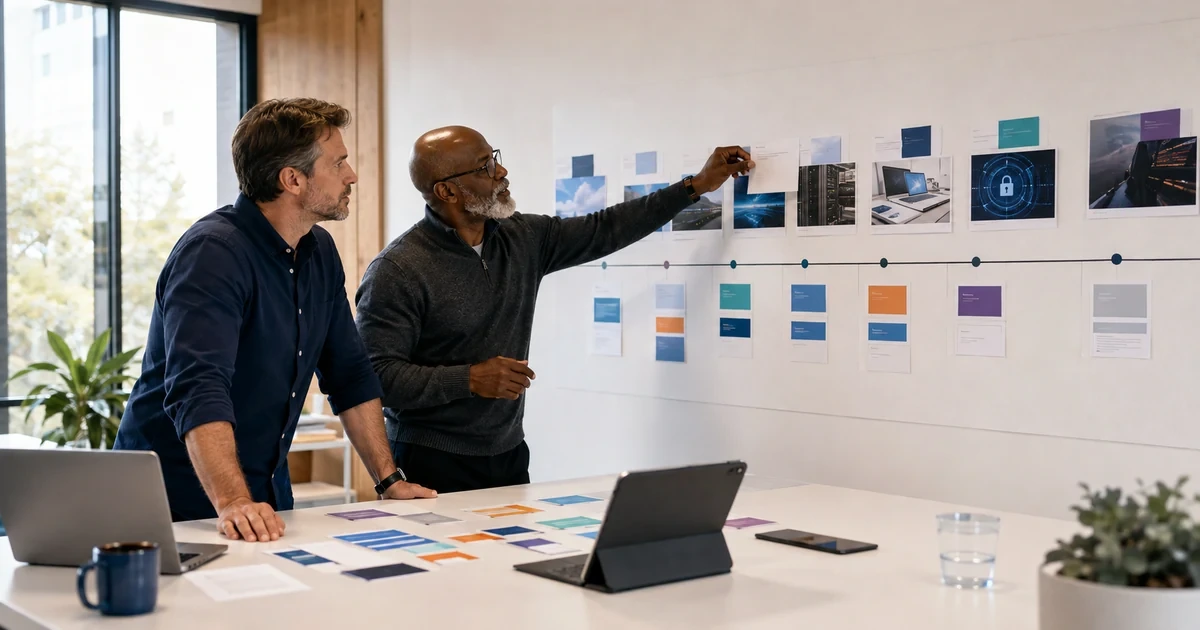
Build quarterly waves with decision gates rather than an inflexible two-year project chart. Reserve capacity for urgent security, lifecycle failures, acquisitions, and business changes. Align renewals, lease dates, warranties, budget cycles, tax planning, vendor lead times, staffing, holidays, peak seasons, and customer commitments. For each wave, confirm prerequisites, approved funding, available owners, procurement, change windows, communications, training, support readiness, and recovery plans before commitment.
Review the roadmap monthly and replan more deeply each quarter. Compare actual cost, schedule, risk, adoption, incidents, benefit measures, and operational load with the charter. Close or defer work that no longer supports the strategy, and document the decision. Add newly discovered risk and opportunity without hiding displaced commitments. Maintain a completed-benefits view so leadership sees outcomes and lessons, not only unfinished work. Refresh the 12-to-24-month horizon as each quarter ends.
- Dependency order: Sequence identity, data, network, security, lifecycle, integration, migration, training, support, and recovery prerequisites.
- Quarterly wave: Balance mandatory work, risk reduction, growth, productivity, AI, customer outcomes, lifecycle, and available capacity.
- Decision gate: Confirm scope, option, sponsor, funding, prerequisite, risk, procurement, change, adoption, support, and rollback readiness.
- Monthly review: Update progress, evidence, cost, issues, risk, dependencies, owner decisions, operational impact, and next actions.
- Benefit review: Compare the agreed baseline and target after implementation, then preserve lessons for later investments.
The roadmap remains useful when it changes deliberately with evidence while preserving ownership, tradeoffs, and a realistic limit on concurrent work.
IT roadmap planning and delivery from ALLMSP
ALLMSP can assess business services, inventory technology, review lifecycle and risk, develop initiatives, estimate costs, sequence dependencies, prepare budgets, and facilitate roadmap reviews through its in-house team. We can then procure, configure, migrate, secure, document, train, support, and measure the selected improvements.
We support organizations in Lawrenceville, Suwanee, Gwinnett County, Metro Atlanta, and throughout Georgia. Roadmaps can cover managed IT, cybersecurity, cloud, hardware, software, networks, phones, backup, AI automation, data, websites, marketing technology, and other connected business systems.
- Assess: Connect business outcomes with services, assets, lifecycle, costs, risk, support, incidents, and employee experience.
- Plan: Build owned initiatives with options, dependencies, budgets, timing, controls, support, and success measures.
- Deliver: Implement the roadmap, validate acceptance, operate the result, measure benefits, and refresh priorities.
Official IT planning and risk-management references
Use recognized frameworks to structure discussion and evidence, then tailor priorities to the organization’s business model, risk, resources, architecture, and operating capacity.
- NIST Cybersecurity Framework 2.0. Provides voluntary outcomes for governing and managing cybersecurity risk across an organization.
- NIST CSF 2.0 Small Business resources. Offers practical material for smaller organizations beginning or improving cybersecurity planning.
- NIST CSF 2.0 Quick Start Guides. Includes guidance for organizational profiles, enterprise risk, supply chains, tiers, and workforce.
- CISA Cybersecurity Performance Goals. Lists prioritized practices intended to provide meaningful risk reduction for smaller and critical organizations.
- Microsoft Azure Well-Architected Framework. Frames workload decisions across reliability, security, cost, operations, and performance.
IT roadmap planning FAQs
What is an IT roadmap?
An IT roadmap is a governed sequence of technology decisions and initiatives tied to business outcomes, current-state evidence, risk, lifecycle, dependencies, budget, accountable owners, operating requirements, and measurable benefits.
Why use a 12-to-24-month planning horizon?
It supports renewals, budgeting, lifecycle, hiring, migrations, and multi-stage improvements while remaining close enough to revisit as business conditions, threats, products, and priorities change.
What should be inventoried before building the roadmap?
Inventory business services, applications, data, integrations, identities, devices, infrastructure, cloud, networks, backup, security, phones, vendors, contracts, costs, support, incidents, and lifecycle dates.
Should an IT roadmap list specific products?
Products can appear after requirements and options are understood. The roadmap should first define the outcome, problem, scope, dependencies, tradeoffs, cost, support model, and success criteria.
How many roadmap projects should run at once?
Limit concurrent work to the organization’s capacity to decide, fund, procure, implement, test, communicate, train, adopt, support, and measure without damaging normal operations.
How should AI projects fit into an IT roadmap?
Start with a defined workflow, approved data, measurable outcome, human oversight, security, privacy, integration, support, and a small pilot. Add broader automation after evidence supports it.
How often should the roadmap be reviewed?
Review status and decisions monthly, replan priorities and capacity quarterly, and update immediately after major business changes, incidents, acquisitions, regulatory events, or lifecycle surprises.
What proves that a roadmap initiative succeeded?
Use a preapproved baseline, target, data source, observation period, technical acceptance, business acceptance, operating readiness, support results, and documented benefit review.
Can ALLMSP implement the roadmap it creates?
Yes. ALLMSP can assess, plan, procure, configure, migrate, secure, document, train, support, and measure roadmap initiatives through its in-house team.
Where does ALLMSP provide IT roadmap consulting?
ALLMSP serves organizations in Lawrenceville, Suwanee, Gwinnett County, Metro Atlanta, and across Georgia through onsite collaboration and secure remote planning.