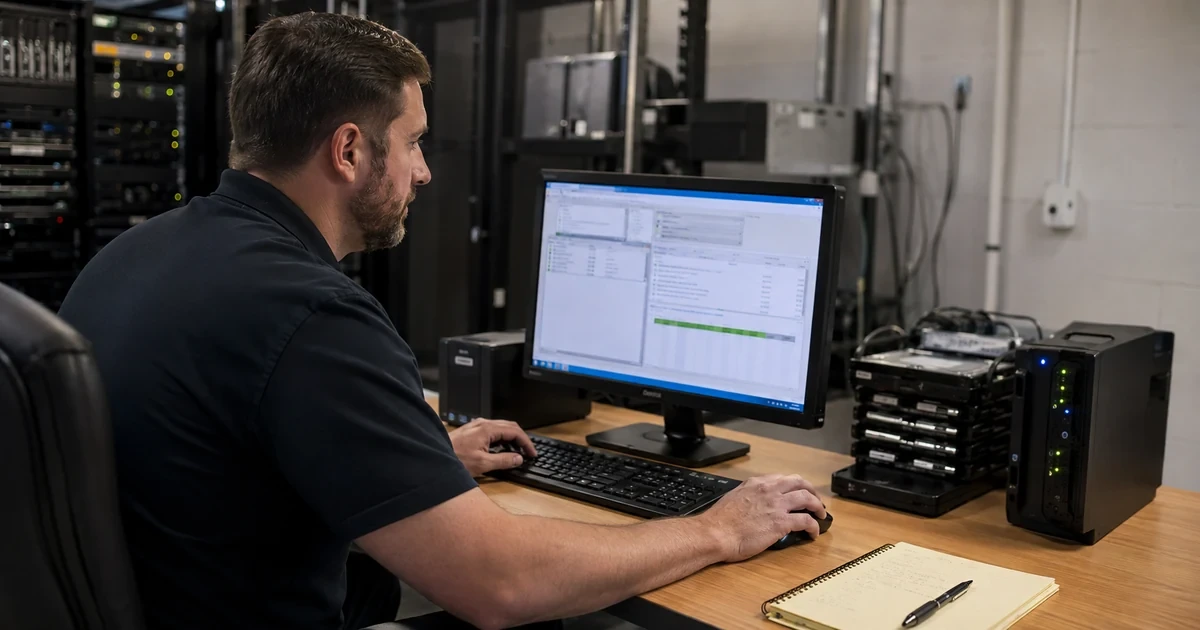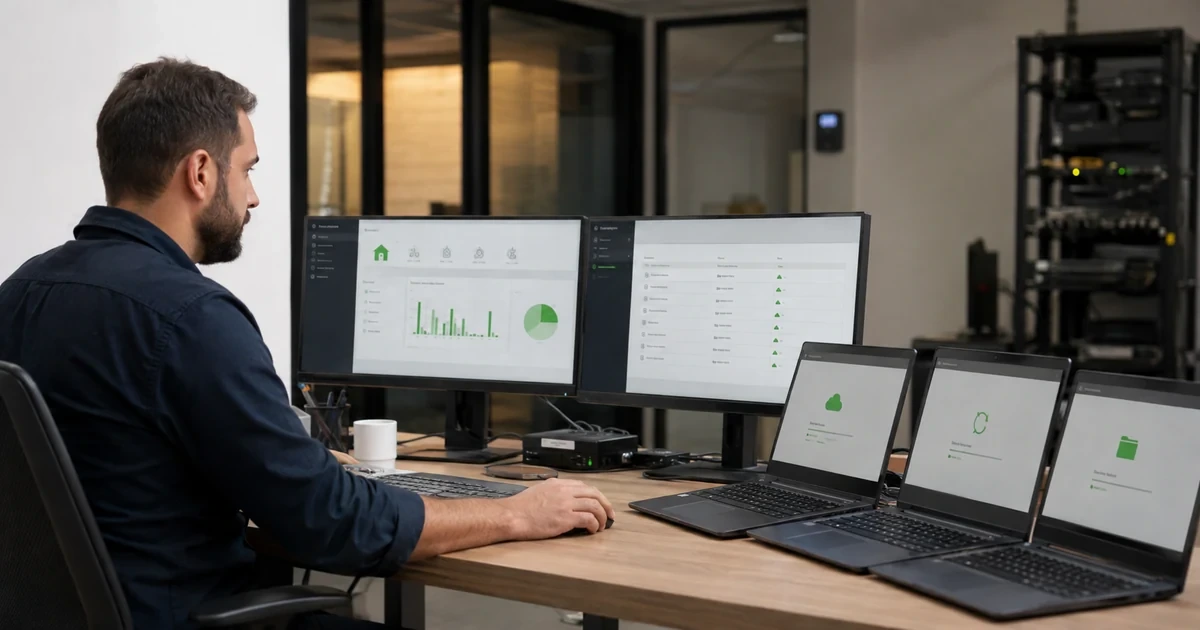




















































































































































An endpoint deployment is successful only when every intended computer and server is running the correct Bitdefender Endpoint Security Tools modules, communicating with the correct GravityZone company, receiving the intended policy, and reporting a healthy protection state. A completed installation task does not prove coverage. Machines that were offline, duplicated in inventory, blocked by old security software, assigned to the wrong group, or unable to reach required services can remain exposed while a rollout appears finished.
A dependable rollout starts with an authoritative device inventory and a clear design for packages, modules, relays, groups, policies, maintenance windows, and exceptions. The team should pilot against the difficult cases, monitor deployment evidence, reconcile every endpoint, and resolve failures by cause. Servers, remote computers, virtual desktops, and isolated networks each deserve their own test path because their availability and communication requirements differ.
ALLMSP plans and performs Bitdefender GravityZone deployments for businesses in Lawrenceville, Suwanee, Gwinnett County, Metro Atlanta, and throughout Georgia. Our in-house team can prepare the tenant, design the endpoint groups and policies, remove conflicts, deploy BEST, position Relay systems, validate protection, document exceptions, and provide ongoing monitoring and support.
Define coverage and acceptance before sending the first package
- Reconcile the inventory: Combine directory, management, network, procurement, virtualization, server, and user records so offline and rarely connected systems are not omitted.
- Classify endpoint roles: Separate workstations, laptops, servers, virtual machines, high-impact systems, remote devices, test equipment, and unsupported assets that need a different decision.
- Design packages: Choose the correct company, modules, architecture, uninstall behavior, Relay assignment, proxy path, update source, and security settings for each endpoint class.
- Prepare dependencies: Confirm supported operating systems, disk space, certificates, DNS, time, network routes, required ports, reboot expectations, and removal credentials for conflicting software.
- Pilot difficult cases: Include remote workers, servers, low-bandwidth sites, custom applications, encrypted devices, multiple network adapters, and systems with previous security agents.
- Prove final state: Verify installed modules, policy, update status, last communication, protection health, restart state, test detection, alert routing, and complete asset reconciliation.
Prepare a deployment inventory and package design that match the network
Start by comparing every available source of device truth. Directory records may include retired computers, while a management platform may miss unmanaged equipment. Network discovery can find printers or appliances that do not need BEST, yet it may also reveal workstations absent from purchasing records. Build one deployment register with hostname, serial or virtual identifier, user, location, operating system, architecture, server role, business importance, connectivity pattern, current security agent, encryption state, maintenance window, target group, target package, and accountable owner.
Use that register to design deployment packages deliberately. Bitdefender documents BEST as the security agent for Windows, Linux, and macOS endpoints. A Relay endpoint can act as a communication proxy, update server, discovery point, and local deployment source for connected systems. Relay placement should reflect site topology, bandwidth, resilience, firewall paths, and the number of endpoints it must serve. Confirm port requirements and proxy behavior before a remote rollout, especially where networks are isolated or endpoints connect through several adapters.
- Supported platform: Check the exact operating system release, architecture, available resources, role, required reboot behavior, and vendor prerequisites before assigning the package.
- Existing protection: Identify every antivirus, EDR, firewall, web filter, encryption, or monitoring component and obtain tested removal steps and tamper-protection credentials.
- Module selection: Enable only the licensed protection modules intended for that endpoint class, then confirm performance, compatibility, restart, and policy behavior during the pilot.
- Network path: Validate DNS, time, certificates, internet or proxy access, GravityZone communication, update sources, firewall rules, and Relay reachability from each location.
- Group structure: Create groups that reflect policy and operational ownership without copying an organizational chart that changes too often or obscures exceptions.
- Fallback plan: Retain uninstall information, previous protection records, recovery access, installation logs, restart authority, and a safe method to restore service if compatibility fails.
A package is ready when the team can explain exactly which devices receive it, which modules it installs, how those devices communicate, and what evidence will prove the intended protection state.
Run a representative pilot and diagnose failures from evidence
Choose pilot systems that expose real deployment risks instead of selecting only clean office laptops. Include at least one computer from each operating system and network path, a representative server when servers are in scope, a remote employee, an endpoint with the current security product, a device that rarely connects, and a machine running a sensitive business application. Notify users, record the starting state, protect recovery access, schedule the installation, and observe resource use, application behavior, network traffic, restart prompts, and policy receipt.
When an installation fails, preserve the task result and endpoint evidence before retrying. Determine whether the cause is unsupported software, a pending restart, insufficient disk space, unresolved DNS, blocked communication, old-agent removal, invalid credentials, package mismatch, architecture, proxy settings, Relay reachability, or a duplicate endpoint record. Correct one cause, repeat the installation, and record the resolution. Repeated blind pushes can hide an environmental problem and make it harder to distinguish a failed install from a damaged or partially protected state.
- Before state: Capture current security software, protection health, operating system, pending restarts, disk space, network path, business workload, and an approved recovery route.
- Install evidence: Retain package identity, target, deployment method, technician, time, task result, local logs, restart result, and any removal or compatibility action.
- Agent communication: Confirm the endpoint appears once in the correct GravityZone company and group, communicates recently, updates successfully, and uses the intended Relay or direct path.
- Policy receipt: Verify the active policy and expected modules on the endpoint rather than relying only on the policy assigned to its parent group.
- Workload test: Exercise the employee’s core applications, printing, networking, VPN, file access, browser use, and line-of-business tasks after installation and restart.
- Pilot decision: Summarize success rate, failures by cause, performance findings, exceptions, user impact, remediation, and the conditions required before broader deployment.
The pilot should produce a corrected deployment method and a known set of exceptions. It should not merely prove that BEST can install on the easiest computer in the building.
Reconcile every endpoint and verify the protection lifecycle
Deploy in manageable waves by site, device role, or business team. Keep enough support capacity available to investigate failures promptly and avoid scheduling high-impact systems together. After each wave, compare the original register with GravityZone inventory, active directory or identity records, management data, and observed network assets. Resolve devices that are missing, duplicated, stale, unmanaged, offline, assigned to an unexpected policy, unable to update, or reporting incomplete modules. Give each exception an owner and deadline.
Complete acceptance with functional tests, not just counts. Confirm alert notifications reach the correct people, run an approved antimalware test method, verify quarantine and reporting, test policy change receipt on a noncritical endpoint, and make sure administrators can recover access. Document how new devices are enrolled, how replaced devices are retired, how remote computers are monitored, how Relay systems are maintained, and how coverage is reviewed. The deployment becomes an operating process that must stay aligned with a changing fleet.
- Coverage reconciliation: Account for every in-scope device as protected, approved exception, scheduled remediation, retired asset, duplicate record, unsupported system, or verified non-endpoint.
- Health verification: Check last seen time, agent version, engine and signature updates, module status, active policy, pending restart, errors, risk indicators, and current protection state.
- Server control: Use approved windows, dependency checks, recovery access, workload validation, and a sequenced restart plan for systems where interruption affects multiple employees.
- Remote endpoint control: Monitor devices that miss update or communication thresholds, retain alternate contact steps, and test deployment across the employee’s normal connection path.
- New-device workflow: Add BEST installation and verified policy receipt to staging before a laptop, workstation, or server is accepted for business use.
- Retirement workflow: Remove the endpoint record only after the asset, user, data, access, management assignments, and final disposition have been reconciled.
Leadership should receive a concise coverage report that distinguishes protected systems from unresolved exceptions and shows whether the deployment process can keep future devices from creating new gaps.
Bitdefender GravityZone deployment and coverage management from ALLMSP
ALLMSP can build the endpoint register, review licensing, organize GravityZone companies and groups, create packages, configure Relay roles, test network communication, remove conflicting agents, conduct the pilot, deploy in waves, investigate failures, validate modules and policies, and reconcile every asset. We can then monitor health, manage new-device enrollment, review stale endpoints, maintain Relay systems, and keep coverage evidence current.
For organizations based in Lawrenceville, Suwanee, Gwinnett County, Metro Atlanta, or elsewhere in Georgia, the same in-house team can connect Bitdefender deployment with managed IT, cybersecurity, server support, device management, identity, backup, and incident response. That continuity matters when a failed installation is actually caused by DNS, permissions, an old agent, a network boundary, or a business application conflict.
- Plan: Inventory reconciliation, licensing, endpoint classification, package design, module selection, groups, policies, Relay placement, ports, maintenance windows, and rollback.
- Deploy: Conflict removal, pilot, user communication, staged installation, server control, remote-device handling, failure diagnosis, and change records.
- Verify: Coverage reconciliation, active-policy checks, module health, updates, test detection, alert routing, exception ownership, reporting, and ongoing fleet maintenance.
Official resources for GravityZone BEST deployment
Confirm current prerequisites, licensed capabilities, communication requirements, and platform-specific behavior in Bitdefender documentation before applying a production design.
- Bitdefender GravityZone architecture. Official guidance on Control Center, security agents, BEST roles, Relay behavior, and Security Server architecture.
- Bitdefender standard security-agent installation. Official deployment procedure and considerations for installing security agents through GravityZone.
- Bitdefender Relay policy settings. Official information about Relay communication and update configuration.
- ALLMSP Bitdefender services. GravityZone planning, licensing, deployment, configuration, security operations, optimization, and support.
- ALLMSP Cybersecurity. Coordinated identity, endpoint, email, network, monitoring, response, training, and recovery services.
Bitdefender GravityZone BEST deployment FAQs
What should be inventoried before deploying BEST?
Inventory hostname, device identity, user, site, operating system, architecture, role, business importance, network path, current security software, encryption, maintenance window, target company, group, package, policy, Relay, and the person responsible for resolving an exception.
Why can an existing antivirus prevent a clean rollout?
Security agents may protect their services, drivers, files, and uninstall process. Running products together can also create performance or compatibility problems. Identify every existing component, obtain removal credentials, test the vendor-supported removal path, restart when required, and verify that remnants are gone.
When should a business use a GravityZone Relay?
A Relay can help deploy agents, provide local updates, discover unprotected endpoints, proxy communication, and reduce wide-area traffic. Use one when site topology, isolated networks, bandwidth, firewall design, or endpoint count justifies it, then monitor its availability and capacity.
How should the BEST pilot group be selected?
Include each operating system, location, connection method, device role, business application, and risk condition. Add remote equipment, servers if in scope, a machine with the old security product, an intermittently connected laptop, and users who can validate demanding workflows.
What proves that a computer is protected by GravityZone?
The endpoint should appear once in the correct company and group, communicate recently, run the intended BEST version and modules, receive current updates, use the expected active policy, show no unresolved protection error, and pass approved detection and workflow checks.
Is a successful installation task enough to close deployment?
No. The task proves only part of the process. Reconcile the endpoint against the source inventory, confirm active policy and module status, check communication and update health, review restarts and errors, and test the employee’s normal applications before closing the record.
How should BEST be deployed to servers?
Classify each server by role and business impact, verify support and compatibility, protect recovery access, use an approved maintenance window, deploy a tested package and policy, monitor resource use, validate dependent services, and sequence restarts so shared operations remain controlled.
What should happen after a BEST installation failure?
Preserve the task result and logs, identify the failure stage, check prerequisites, communication, credentials, old-agent removal, pending restarts, package settings, architecture, disk space, and Relay reachability. Correct one cause, retry deliberately, and document the verified resolution.
Can ALLMSP deploy Bitdefender across several Georgia locations?
Yes. ALLMSP can plan site-specific network paths and Relay placement, coordinate maintenance windows, deploy remote and local waves, reconcile coverage across locations, resolve exceptions, document results, and provide ongoing GravityZone administration with its in-house team.
Which deployment measures should management receive?
Report total in-scope assets, verified protected assets, pending restarts, stale systems, failed deployments by cause, policy or module mismatches, unsupported devices, approved exceptions, unresolved owners, remediation dates, and the process for protecting newly added equipment.