Local landing pages must answer questions that broad campaign pages often ignore. A visitor wants to know whether the company serves the location, understands the local need, can provide the requested service, is available at the right time, and offers a trustworthy way to call, request help, schedule, or visit. Repeating a city name does not create that confidence.
The page, local listing, advertisement, phone route, form, scheduling process, and service operation should describe the same reality. Google’s local guidance groups ranking signals around relevance, distance, and prominence, so a landing page should clarify genuine service fit without making claims the business cannot support. A clear page can strengthen relevance and conversion, but it should never imply a physical office, inventory, availability, certification, price, or response promise that the business cannot substantiate.
ALLMSP plans, builds, measures, and improves local campaign pages in house for Lawrenceville, Suwanee, Gwinnett County, Metro Atlanta, and organizations serving other Georgia communities. We combine useful local content, responsive design, calls and forms, analytics, advertising, local profile management, and follow-up operations around qualified customer outcomes.
Turn local intent into a clear, trustworthy, and measurable next step
- Confirm the area: State genuine offices, service areas, travel limits, delivery boundaries, response coverage, and location-specific constraints accurately.
- Match local intent: Address the exact service, urgency, customer type, neighborhood context, availability, and action implied by the source.
- Show real proof: Use authentic project photography, team capability, relevant products, customer evidence, credentials, and process details.
- Make contact easy: Provide reliable phone, form, scheduling, directions, or purchase paths that work cleanly on mobile devices.
- Route by context: Preserve source, service, location, time, need, and consent so the right employee can respond appropriately.
- Optimize outcomes: Compare visibility, cost, qualified inquiries, response, appointments or sales, service capacity, and customer feedback.
Build local relevance from real service coverage and customer questions
Define the geographic operating model before writing. Record staffed offices, customer-facing locations, service areas, travel distance, remote delivery, onsite availability, delivery zones, emergency coverage, appointment rules, and services that differ by area. Use the actual address only for a genuine location. Describe nearby communities naturally when the company truly serves them. Avoid creating near-identical doorway pages that merely substitute place names without distinct value.
Research local intent from evidence. Review search terms, Search Console queries, Business Profile questions, phone reasons, form submissions, sales notes, service tickets, reviews, and employee interviews. Group questions by service, problem, urgency, customer type, location, price context, availability, comparison, and next step. A useful page may explain onsite versus remote work, normal scheduling, what the customer should prepare, products supported, common constraints, and how a request is evaluated.
Use local proof that helps a visitor judge fit. Include authentic photos of relevant work, products, facilities, equipment, or staff where appropriate. Explain experience, certifications, supported systems, service process, warranties, response expectations, and customer outcomes accurately. Use reviews or project examples with permission and enough context to be credible. Replace generic claims such as best or fastest with verifiable facts and clear operating commitments.
- Coverage model: Document locations, service areas, remote capability, travel limits, delivery zones, hours, and service differences.
- Intent evidence: Use queries, calls, forms, reviews, tickets, sales conversations, and profile questions to find real needs.
- Local answer: Explain service fit, availability, preparation, process, constraints, price context, and the correct next action.
- Authentic proof: Show relevant work, products, team capability, credentials, permitted customer evidence, and specific outcomes.
- Accuracy owner: Assign updates for address, hours, phone, service area, availability, staff, pricing, policies, and emergencies.
Local relevance comes from accurate operating detail and useful answers, not from repeating Lawrenceville, Suwanee, Atlanta, or Georgia without purpose.
Connect local search and advertising to reliable mobile calls and forms
Map each source to the correct destination. Search campaigns, local listings, map results, social ads, email, print QR codes, and referral pages may serve different needs. Preserve campaign parameters through approved systems and check that redirects do not remove them. Match the source phone number, hours, offer, service area, and action to the page. If the visitor expects directions to a location, do not send them to a general contact page.
Test phone journeys as carefully as forms. Verify tap-to-call formatting, number accuracy, call tracking, consent or disclosure requirements, business-hour routing, queues, voicemail, overflow, missed-call alerts, caller context, recordings where permitted, and follow-up ownership. Confirm that dynamic number replacement does not change the visible business identity or break structured data. Measure connected and qualified conversations rather than treating every tap as a completed lead.
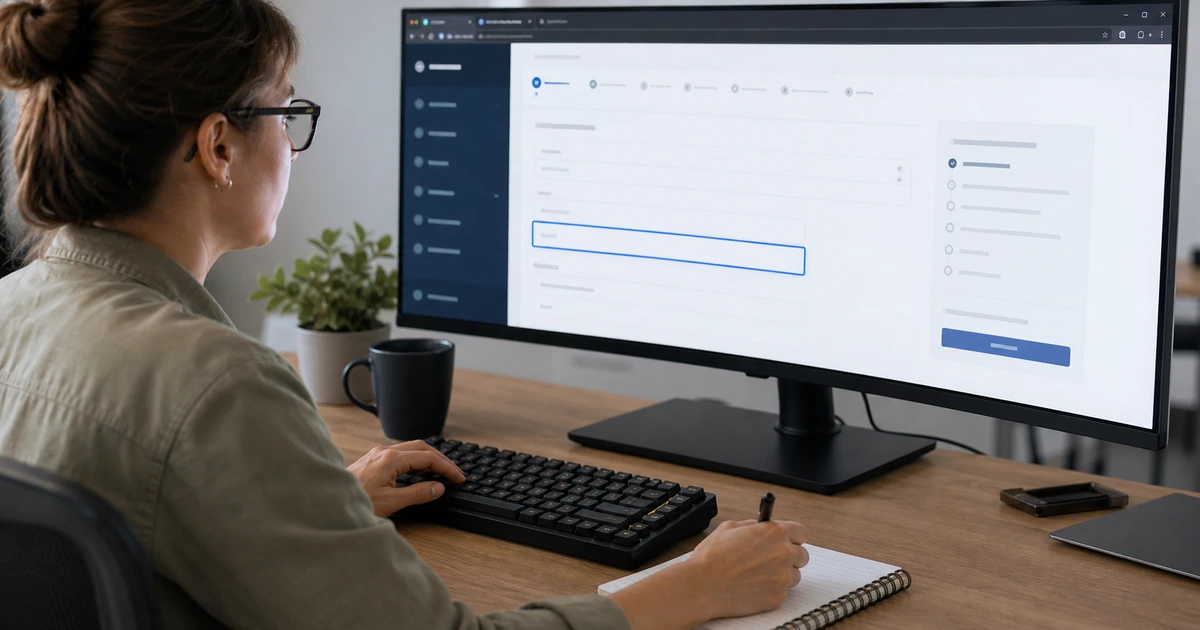
Design short forms around local routing needs. Ask for service, location or postal code when needed, preferred contact method, useful context, and the minimum identity details required to respond. Explain timing and urgent-use limits. Test completion with phone keyboards, autofill, zoom, poor connectivity, consent choices, spam controls, and validation errors. Deliver source and local context to the receiving system so employees do not make the customer repeat the entire request.
- Source destination: Verify campaign URL, listing link, parameters, promise, phone, hours, offer, area, and page action.
- Phone path: Test tapping, dialing, tracking, hours, routing, queues, voicemail, overflow, context, alerts, and follow-up.
- Local form: Collect only the service, area, timing, contact, and request details needed for a useful response.
- Mobile reliability: Check keyboard, autofill, labels, validation, consent, connectivity, preservation, confirmation, and alternative contact.
- Employee context: Pass source, page, campaign, service, location, time, request, consent, and prior interaction into the workflow.
A local page converts well when a person can confirm service fit and reach the right team from a phone without losing context or repeating work.
Measure qualified local outcomes and improve without creating false signals
Define the outcome ladder for each campaign. Visibility, page visits, engaged sessions, direction requests, phone taps, connected calls, form starts, submissions, qualified inquiries, appointments, estimates, sales, repeat business, and spam represent different stages. Choose primary conversions that reflect valuable progress, then keep diagnostic events available for troubleshooting. Assign values only when the business can explain the assumptions and update them as close rates or service economics change.
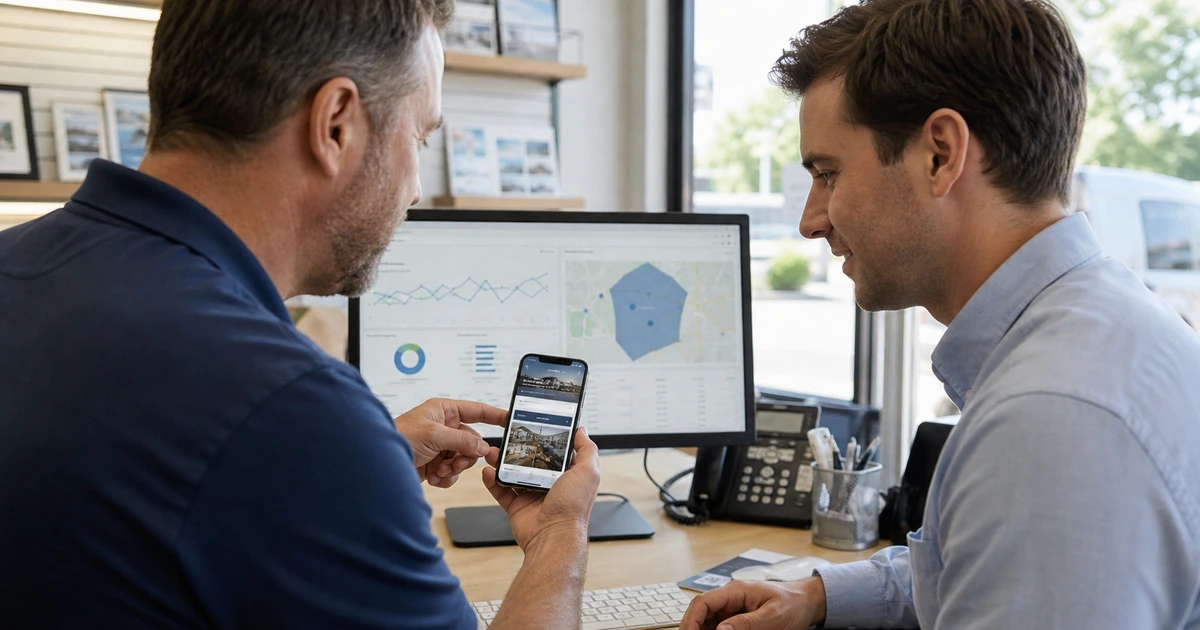
Segment results by source, campaign, service, location, device, time, and outcome without creating tiny samples that invite false conclusions. Compare advertising cost, landing page experience, conversion rate, call connection, valid form delivery, response time, qualification, capacity, and final business results. A page may generate fewer total inquiries after clearer qualification while producing more viable customers and less staff waste. Preserve that context in reports.
Run a monthly operating review with marketing, sales, service, and technical owners. Investigate broken links, declining search visibility, mismatched queries, slow pages, low call connection, form errors, spam, response delays, capacity constraints, and customer confusion. Choose a limited set of changes, record the hypothesis, test before release, annotate the date, monitor guardrails, and retain a rollback path. Update local facts immediately when hours, locations, service areas, staffing, products, or policies change.
- Outcome ladder: Separate visibility, visit, engagement, call, submit, qualification, appointment, estimate, sale, cancellation, and spam.
- Campaign context: Report source, audience, service, location, device, time, cost, response, quality, and final result together.
- Capacity signal: Compare demand with staffing, service area, appointment availability, inventory, response targets, and fulfillment.
- Change record: Document evidence, hypothesis, owner, release, expected result, guardrail, observation period, decision, and rollback.
- Accuracy trigger: Update pages and campaigns immediately after location, hours, coverage, price, product, staff, policy, or availability changes.
Local optimization should increase appropriate conversations and fulfilled customer outcomes, not merely manufacture a larger count of clicks or unqualified forms.
Local campaign landing pages and measurement from ALLMSP
ALLMSP can research local intent, build service and location content, create responsive pages, coordinate authentic visuals, configure calls and forms, manage tracking, connect lead workflows, and perform recurring optimization through our internal web, marketing, automation, and IT capabilities.
We understand the operating differences among Lawrenceville, Suwanee, Gwinnett County, Metro Atlanta, and broader Georgia campaigns. Each project is grounded in the client’s real locations, services, response capacity, customer questions, and measurable goals rather than copied location text.
- Localize: Connect real coverage, customer intent, useful answers, authentic proof, listings, campaigns, and accurate actions.
- Integrate: Make mobile calls, forms, analytics, advertising, CRM or ticket routing, and employee follow-up work together.
- Optimize: Use qualified outcomes, response data, service capacity, customer feedback, and technical evidence to guide changes.
Official local search and landing page measurement references
Use current Google guidance for local presence, landing page quality, and conversion measurement while keeping every claim and service-area statement aligned with the business’s real operation.
- Google local ranking guidance. Explains complete business information and the relevance, distance, and prominence factors behind local results.
- Google Ads landing page guidance. Connects landing page experience with relevance, usefulness, navigation, and expectations created by the ad.
- Google website conversion setup. Covers website data sources, conversion actions, tags, Analytics connections, and measurement setup.
- Google Core Web Vitals. Provides field-oriented measures for page loading, responsiveness, and visual stability.
Local landing page conversion FAQs
What makes a landing page locally relevant?
It accurately explains the service, real coverage area, customer need, availability, local operating details, useful proof, contact route, and next step for that audience.
Should a business create a landing page for every nearby city?
No. Create distinct pages only when the business genuinely serves the area and can provide useful, accurate content beyond changing the place name.
How should a local landing page use city names?
Use location language where it clarifies coverage, directions, service differences, examples, response, or customer questions. Avoid repetitive wording that does not help the visitor.
What images work best on a local service landing page?
Use sharp authentic photos of relevant products, work, facilities, environments, or employees, plus real interface imagery when software is central and permission allows it.
Should a phone tap count as a conversion?
It can be a diagnostic event, but a connected and qualified call is usually a stronger business outcome. Track stages separately when the phone system supports it.
What should a local lead form ask?
Request only the service, area, timing, contact preference, and context needed to route and answer appropriately, along with any necessary consent.
How does Google describe local ranking?
Google says local results are mainly based on relevance, distance, and prominence. Accurate, complete business information helps Google understand and match a business.
How often should local landing pages be reviewed?
Review performance routinely and update immediately when locations, hours, service areas, availability, staff, products, pricing, policies, or contact workflows change.
Can ALLMSP manage local pages, ads, calls, and analytics together?
Yes. ALLMSP can build and operate the page, campaign, call and form paths, measurement, routing, automation, and recurring improvement with its in-house team.
Which local markets does ALLMSP support?
ALLMSP serves Lawrenceville, Suwanee, Gwinnett County, Metro Atlanta, and businesses across Georgia with local website and managed marketing services.