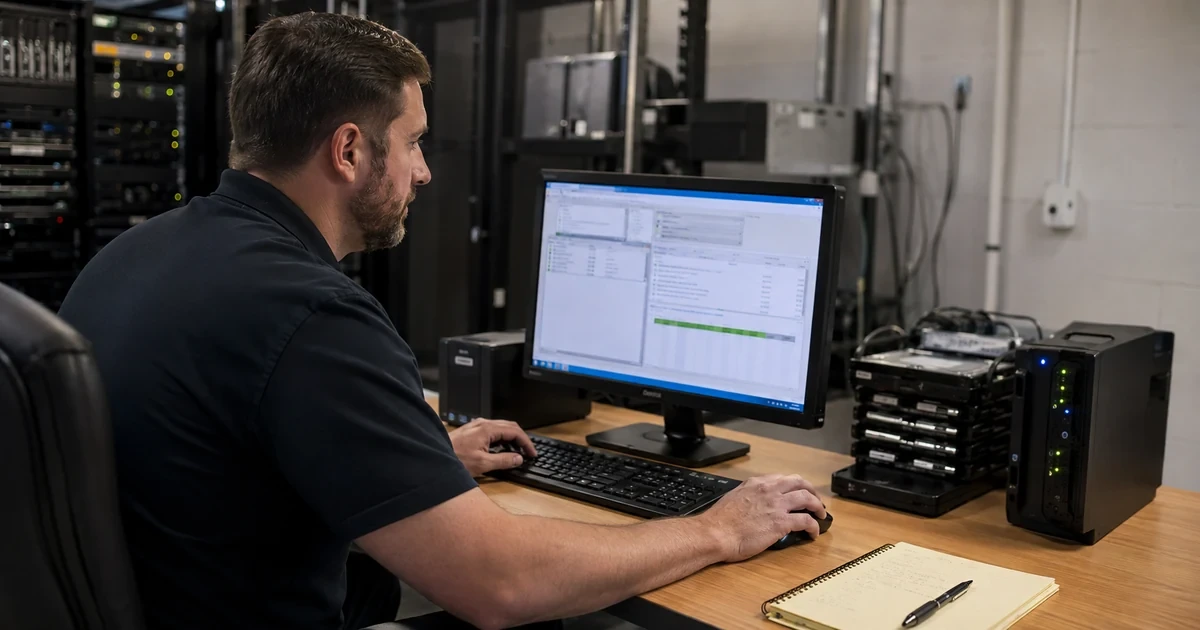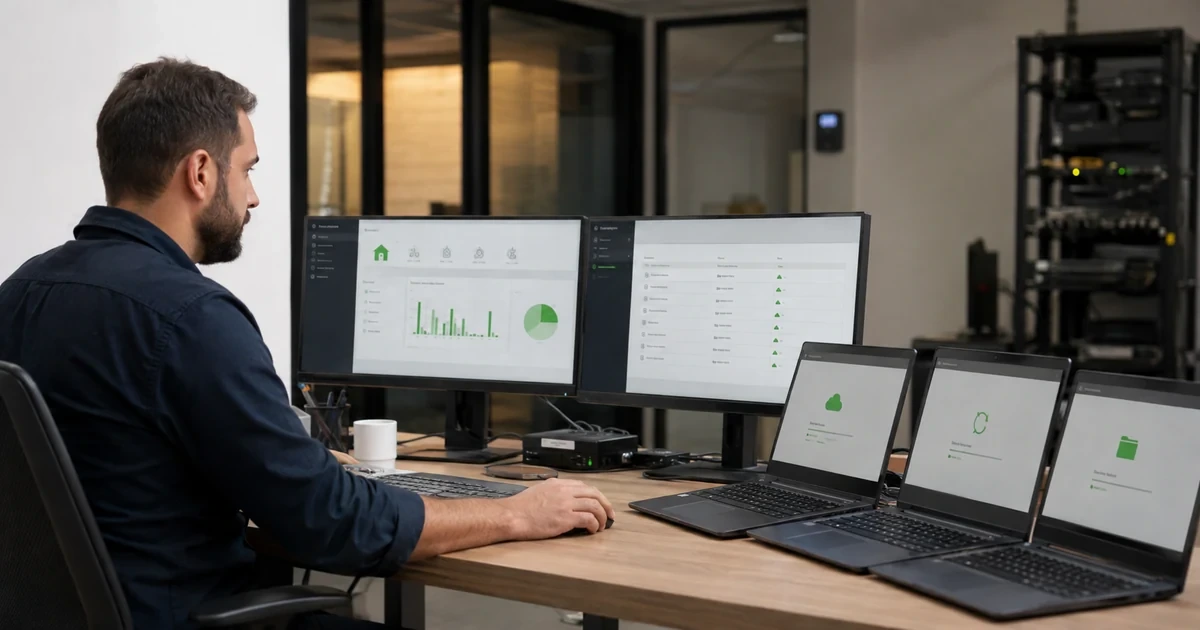
Software licensing determines who can use a product, which features are available, where data remains, how administrators recover access, and what the organization pays. Problems begin when subscriptions are purchased through personal accounts, licenses are assigned by memory, add-ons are not tied to a business role, renewal dates are scattered, or an employee loses required service because a seat was removed before data and dependencies were checked.
A reliable setup connects commercial records with technical access. The organization needs an inventory of products, agreements, subscriptions, editions, quantities, billing terms, administrators, assignment methods, users, devices, renewals, data effects, and support rights. Each license profile should correspond to a documented job requirement and should be tested through onboarding, role change, temporary assignment, and departure.
ALLMSP designs and operates software licensing for businesses in Lawrenceville, Suwanee, Gwinnett County, Metro Atlanta, and throughout Georgia. Our in-house team can compare editions, coordinate purchasing, secure vendor portals, build role-based assignments, provision users, preserve data during changes, reconcile invoices, document renewals, and support the applications attached to each subscription.
Connect every purchased entitlement to an owner and a verified need
- Inventory the agreement: Record vendor, product, edition, quantity, term, billing frequency, renewal rule, price, reseller, order record, cancellation window, support, and contract owner.
- Protect vendor accounts: Use company-controlled administrators, strong authentication, least privilege, documented recovery, current billing contacts, and prompt removal after responsibility changes.
- Define license profiles: Map job roles to required applications, features, storage, security, archive, device, voice, analytics, compliance, and add-on capability.
- Choose assignment methods: Use direct, group-based, organizational-unit, product-profile, or device assignment according to the platform and the stability of membership.
- Test lifecycle changes: Verify new-user access, role upgrades and downgrades, temporary use, group errors, data preservation, application activation, and offboarding.
- Reconcile continuously: Compare purchased quantity, available seats, assigned users, active use, billing, errors, upcoming renewals, exceptions, and deprovisioning results.
Create a licensing register that combines contracts, portals, users, and data
Collect current invoices, order confirmations, agreements, vendor portals, reseller records, procurement data, expense reports, administrator accounts, deployment tools, application inventories, and employee rosters. For each product, record the legal organization that owns it, edition or stock-keeping unit, purchased quantity, assigned quantity, available seats, billing cycle, commitment, renewal date, auto-renewal state, cancellation window, payment method, administrator, reseller, support entitlement, and the location of governing terms. Separate true subscriptions from perpetual licenses, maintenance, usage charges, storage, credits, and one-time services.
Connect the commercial record to technology and information. Identify which tenant or portal contains the subscription, how users or devices receive it, which services are enabled, what happens when it is removed, where associated data is stored, how long that data remains, and who can recover access. Microsoft, Google, Adobe, security products, backup platforms, industry software, and device-based applications use different assignment and removal behavior. The register should link to current vendor documentation and the organization’s tested procedure rather than assuming one rule applies to every product.
- Commercial fields: Capture supplier, agreement, order, product, edition, quantity, price, tax, term, renewal, cancellation, payment, budget, and authorized purchaser.
- Administrative fields: Record tenant or portal, company owner, administrators, role scope, authentication, recovery, reseller access, support identifiers, and last review.
- Assignment fields: List direct users, groups, organizational units, product profiles, devices, service plans, disabled components, errors, exceptions, and assignment source.
- Data fields: Document mailbox, file, archive, project, backup, configuration, or report data affected by suspension, downgrade, unassignment, cancellation, or deletion.
- Lifecycle fields: Define request, approval, provisioning, validation, role change, temporary access, suspension, transfer, retention, removal, and license recovery.
- Evidence fields: Retain approval, assignment result, activation test, exception, vendor notice, support case, invoice match, renewal decision, and final deprovisioning proof.
The licensing register becomes useful when finance, management, and technical support can trace a charge from the agreement to the assigned person or device and understand the effect of changing it.
Assign subscriptions from job requirements and platform behavior
Define a small set of role profiles based on actual work. A Microsoft 365 profile may include desktop applications, mailbox and archive capacity, security, device management, Teams voice, analytics, or compliance features. A Google Workspace profile may depend on edition, storage, security, archive, or additional services. Adobe uses products and product profiles to grant access to specific applications and services. Document the required outcome and minimum supported edition for each role, then record approved exceptions instead of copying the last employee’s assignments.
Choose automation that remains understandable. Microsoft supports individual and group-based license assignment, and assignment errors can occur from insufficient seats, conflicting plans, missing dependencies, proxy addresses, or usage location. Google can assign licenses to an organization, organizational unit, group, or user depending on the service and settings. Adobe can use product profiles and user groups. Test the exact platform because membership order and license removal can interrupt service or affect data. Monitor assignment errors rather than treating group membership as proof that access succeeded.
- Role requirement: Write the applications, features, data, storage, archive, security, device, voice, reporting, compliance, and support capability the employee needs.
- Edition mapping: Select the subscription and add-ons that satisfy the documented role without purchasing unused capability or omitting a control the job depends on.
- Assignment source: Identify whether access comes from a person, group, organizational unit, profile, device, automation, or inherited plan and which owner maintains it.
- Conflict handling: Document incompatible editions, dependent service plans, capacity limits, location settings, duplicate assignment, stale groups, and the resolution for each error.
- Activation validation: Have the user sign in, open licensed applications, access required services and data, use expected devices, and complete a representative business task.
- Downgrade protection: Before reducing a license, compare lost features, storage, archive, security, retention, applications, device rights, and data effects with the employee’s approved role.
Role-based licensing works only when assignment success and employee capability are verified. A green group membership record does not prove that every required service is usable.
Integrate licensing with onboarding, role changes, offboarding, and renewals
Make license activity part of the employee lifecycle. An approved onboarding request should identify start time, role, manager, location, devices, applications, data, groups, subscription profile, cost center, and any temporary access. Complete assignment before the user needs it, then verify sign-in, activation, services, and business work. During a role change, add and confirm new capability before removing old access when the platform’s processing order could cause interruption. Remove obsolete privilege rather than allowing every transfer to increase licensing and access.
Offboarding requires data and service decisions before license removal. Identify mail, files, projects, reports, backups, shared resources, automation, application ownership, delegated access, retention, and legal obligations. Transfer or preserve required information, revoke sessions and administrative access, remove assignments, release seats, and confirm final billing. Place renewals on a calendar with enough lead time to compare inventory, use, business need, price, contract terms, support, and alternatives before an automatic commitment limits the decision.
- Onboarding control: Require manager and application-owner approval, assign from the role profile, resolve errors, test activation, and record employee and technician acceptance.
- Role-change control: Compare old and new requirements, add necessary service first where appropriate, transfer ownership, remove obsolete licenses, and verify the complete workflow.
- Departure control: Protect accounts, preserve or transfer data, reassign resources and automation, remove admin and user licenses, recover seats, and document final disposition.
- Temporary assignment: Set business purpose, approved user, start, end, data access, cost, owner, reminder, and automatic or reviewed removal for short-term licenses.
- Renewal calendar: Track notice date, review date, commitment end, auto-renewal, cancellation window, forecast quantity, owner, budget, alternatives, negotiation, and signed decision.
- Monthly reconciliation: Compare vendor portal, identity records, active employees, application use, assignment errors, invoices, available seats, exceptions, and upcoming lifecycle events.
A mature setup makes access timely for new work, removes cost and risk when work changes, and gives leadership enough notice to make a renewal decision instead of merely accepting one.
Business software licensing setup and administration from ALLMSP
ALLMSP can inventory subscriptions and agreements, compare product editions, coordinate competitive purchasing, secure vendor portals, build license profiles, configure assignments, resolve errors, validate user access, preserve data during changes, document administrators, reconcile billing, manage renewals, and support onboarding and offboarding. We also troubleshoot activation and connect licensing with the application, identity, device, security, and employee workflow it enables.
From our Lawrenceville office, ALLMSP coordinates licensing work for nearby Suwanee and Gwinnett County businesses as well as organizations across Metro Atlanta and Georgia. The work stays in house and can connect managed IT, software support, Microsoft 365, Google Workspace, Adobe, cybersecurity, backup, and the rest of the customer’s supported technology environment.
- Inventory: Agreements, subscriptions, editions, quantities, portals, administrators, assignment sources, users, devices, data, billing, support, and renewals.
- Configure: Role profiles, product selection, groups and profiles, direct assignments, activation tests, errors, downgrade checks, documentation, and recovery.
- Operate: Onboarding, role changes, temporary access, offboarding, seat recovery, invoice reconciliation, renewal planning, cost reporting, and application support.
Official resources for common software license assignments
Assignment and removal behavior varies by product, edition, agreement, and tenant, so verify current vendor guidance before automating or reclaiming access.
- Microsoft group-based license assignment. Current Microsoft guidance for assigning licenses through groups, changing licensed groups, and resolving assignment errors.
- Google Workspace license assignment. Official guidance for automatic, organizational-unit, group, individual, bulk, and removal behavior.
- Adobe product assignment. Official Admin Console guidance for products, profiles, user assignments, and license removal.
- ALLMSP Software Support. Application selection, licensing, setup, configuration, integration, troubleshooting, upgrades, training, and support.
- ALLMSP Technology Products. Software and hardware products supported, installed, secured, optimized, and managed by ALLMSP.
Software licensing setup FAQs
What belongs in a business software licensing register?
Record vendor, product, edition, agreement, quantity, price, term, renewal, cancellation, billing, purchaser, portal, administrators, support, assignment method, users, devices, services, data effects, exceptions, and evidence for provisioning, changes, recovery, and final removal.
Should licenses be assigned directly or through groups?
Use the method that fits the vendor and how stable the role is. Group or profile assignment can improve consistency, while direct assignment may suit a documented exception. In every case, monitor processing errors and verify the user’s actual service access.
How should a company choose software editions for employees?
Translate each job into required applications, features, storage, archive, security, device rights, voice, reporting, compliance, and support. Select the least costly supported edition that satisfies the complete requirement, then document and approve exceptions.
Why can group-based license assignment fail?
Common causes include insufficient seats, conflicting products or service plans, missing dependencies, unsupported nested membership, location or identity attributes, duplicate assignment paths, processing delays, and configuration errors. Review the platform’s error report and validate the final user state.
What should be tested after assigning a software license?
Have the user sign in with the intended identity, activate the application, access required services and data, use expected devices, verify integrations and sharing, and complete a representative business task. Record the assignment source and any exception.
What should be checked before downgrading a subscription?
Compare applications, storage, archive, security, retention, device management, voice, analytics, compliance, support, and data effects between editions. Confirm the employee’s current role and test the intended lower edition before removing required capability.
When can a departed employee's license be reclaimed?
Reclaim it after account protection, data preservation or transfer, legal and retention review, shared-resource reassignment, automation ownership, delegated access, device action, and any vendor-specific data timing are complete. Verify the seat and billing changed as expected.
How far ahead should software renewals be reviewed?
Set the review before the notice and cancellation windows, with enough time to reconcile users, test edition changes, collect business forecasts, compare alternatives, negotiate terms, obtain budget approval, and prepare a migration if the organization will not renew.
Can ALLMSP manage licensing for several software vendors?
Yes. ALLMSP can coordinate licensing records, purchasing, vendor portals, administrators, role profiles, assignments, onboarding, offboarding, renewals, billing reconciliation, and support across the software platforms the organization uses, all through its in-house team.
Where does ALLMSP provide software licensing support?
Businesses near Lawrenceville and Suwanee can receive local licensing and device assistance, while ALLMSP also serves the wider Gwinnett County, Metro Atlanta, and Georgia market. Licensing administration can be combined with onboarding, software deployment, training, managed IT, and security support.